
Cappuccino
Latest articles, industry insights and brewing guides

Dry vs Wet Cappuccino: What’s the Difference?
Dry cappuccinos have more foam and less milk, highlighting espresso flavor. Wet cappuccinos use more milk, tasting closer to a light latte.

How to Make a Classic Cappuccino at Home
A classic cappuccino has a 1:1:1 ratio of espresso, steamed milk, and thick foam. Here’s how to get the texture and flavor right.
Cappuccino vs Latte: What’s the Real Difference?
Learn the exact differences in milk foam, texture, and ratio between a cappuccino and a latte — two of the most popular espresso-based drinks.
Why Is It Called Cappuccino? The Real Story Behind the Name
Learn why cappuccino is named after 16th-century monks and how its look inspired the drink’s iconic title.
Why Traditional Cappuccino Tastes Different Every Sip
Discover how traditional cappuccino delivers layered flavors—from sweet foam to bold espresso—through its precise 1:1:1 milk-to-espresso ratio.
How the Word 'Cappuccino' Became a Coffee Drink
Learn why the cappuccino is named after monks and monkeys, and how dry and wet styles differ in milk and foam.
What Is a Macchiato and Why It’s Different from Cappuccino
A macchiato is a shot of espresso topped with a small layer of milk foam—just 15–30ml total, one-third the size of a cappuccino. No steamed milk is added.
Latte vs Cappuccino: What’s the Real Difference?
Latte has more milk and a milder coffee flavor, while cappuccino balances espresso with more foam and a stronger taste. Learn their key ratios and origins.

How to Make a Classic Cappuccino with Milk Foam
Learn how to make a traditional cappuccino with 1oz espresso, 4oz milk, and thick foam topped with cinnamon or cocoa.
What Is a Cappuccino Corretto? How to Drink a Con Panna Espresso
A Con Panna, or 'with cream' espresso, is a retro-style shot topped with thick whipped cream. Learn how to enjoy this elegant, low-effort coffee.
DIY Coffee Machine Prints Your Name on Cappuccinos
A former cloud tech firm built a custom coffee machine that lets you send a text to print your name or message on your cappuccino using edible ink.
Where Did the Name 'Cappuccino' Really Come From?
Learn how the cappuccino got its name from 16th-century monks and why its appearance inspired the iconic coffee drink we know today.
Why the Cappuccino Is the Most Beautiful Coffee Cup
Learn why cappuccino is considered the most beautiful coffee, from its 1:1:1 ratio to its unique latte art, and how to make your own at home.
How to Make a Cappuccino, Latte, and Macchiato with Caramel
Step-by-step guide to making a classic macchiato with caramel drizzle and foam art, using 100ml espresso, 300ml milk, and 15ml each of caramel syrup and paste.
What Is a Cappuccino? Classic Ratio & Home Brewing Guide
A cappuccino is 1/3 espresso, 1/3 steamed milk, and 1/3 milk foam. Learn the ratios, styles, and how to make it at home with FrontStreet Coffee beans.
How to Make Classic Coffee Drinks: Mocha, Cappuccino & More
Step-by-step recipes for 6 classic coffee drinks including mocha, cappuccino, and Nordic coffee, with exact ratios, temperatures, and techniques.
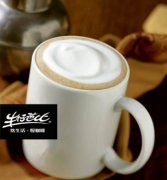
What Makes a Real Cappuccino?
A true cappuccino has a milk foam dome over 1/3 of the cup, an espresso crema ring, and a strong coffee flavor—here’s how to recognize it.

The Three Styles of Cappuccino Explained
Discover the classic, artisanal, and exaggerated versions of cappuccino, with exact ratios, milk textures, and foam heights for each.

Why Specialty Coffee Shops Are Testing Japanese Pure Milk for Cappuccino
Testing shows that Japanese pure milk like Weipin can produce richer foam and better flavor balance in cappuccinos compared to common dairy blends.
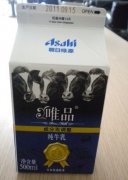
Why Specialty Baristas Are Testing Super Premium Milk for Cappuccino
A real dairy test shows how premium pure milk like WeiPin can improve cappuccino texture, foam, and flavor balance with espresso.