
Cappuccino
Latest articles, industry insights and brewing guides

Dry vs Wet Cappuccino: What’s the Difference?
Learn the difference between dry and wet cappuccinos—how milk foam and steamed milk ratios affect flavor and texture in this classic espresso drink.
What’s the Difference Between Flat White, Latte, and Cappuccino?
A clear breakdown of classic espresso-based drinks like ristretto, flat white, macchiato, and more, with exact ratios and serving styles.
Where the Name 'Cappuccino' Really Comes From
The word 'cappuccino' comes from 16th-century Capuchin monks’ robes, not coffee. Here’s how a religious garment inspired your favorite espresso drink.
What Is a Traditional Cappuccino? The Real Italian Standard
A true cappuccino is one-third espresso, one-third steamed milk, and one-third microfoam—roughly 60°C—with at least 1cm of foam. Here’s the classic formula.
What Is a Latte and How Is It Different from Cappuccino?
Learn what defines a latte, how it compares to cappuccino and flat white, and why milk texture and foam thickness change the taste.
What Is a Real Cappuccino? Specialty Coffee Explained
A true cappuccino has thick foam rising over the cup, a golden crema ring, and a bold coffee flavor. Here’s what makes it authentic.
How to Steam Milk for Perfect Cappuccino Foam
Learn how to steam milk for silky microfoam, avoid big bubbles, and get the smooth texture that makes great cappuccinos.
How to Make a Classic Cappuccino with Perfect Milk Foam
Learn how to craft a balanced cappuccino with equal parts espresso, steamed milk, and foam for a rich, velvety texture and bold flavor.
How the Cappuccino Got Its Name – and What Makes It a Cappuccino
Learn why cappuccino shares its name with monks and monkeys, and how the classic 1:1:1 espresso, milk, and foam formula took shape.
Popular Coffee Drinks Explained: Latte, Cappuccino & More
Learn the key differences between classic coffee drinks like latte, cappuccino, and Viennese coffee, including ratios, preparation, and milk types used.
Cappuccino vs Latte: Key Differences Explained
Learn the clear differences between cappuccino and latte—milk ratios, foam textures, and flavor profiles that set these two classic espresso drinks apart.
Why Latte Art Hurts Cappuccino Flavor
Latte art on cappuccinos can dull milk foam flavor. A simple golden crema ring is often better—and a sign of a skilled café.
What Is a Cappuccino? Classic Italian Espresso Drink Explained
A cappuccino is a 1:1:1 espresso, steamed milk, and milk foam drink, typically 150–180ml total. Learn the ratios, textures, and serving standards.

Dry vs Wet Cappuccino: What’s the Difference in Milk and Foam?
Dry cappuccinos have more foam and less milk, tasting stronger in coffee flavor. Wet versions have more steamed milk, making them creamier and milder.
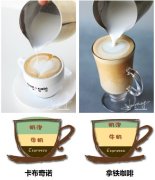
Cappuccino vs Latte: What Really Sets Them Apart
Cappuccinos have more foam and less milk than lattes. Learn the key differences in ratio, texture, cup size, and how each showcases espresso.

Cappuccino vs Latte vs Macchiato vs Affogato: What’s the Difference?
Learn the key differences between cappuccino, latte, macchiato, and affogato—ratio, milk texture, and serving style explained clearly.
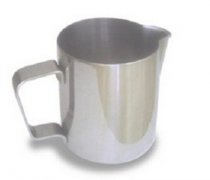
How to Steam Milk for Perfect Cappuccino Foam
Learn how to steam milk like a pro to get silky microfoam for smooth, café-quality cappuccinos every time.
How to Steam Milk for Authentic Cappuccino
Learn how to steam milk like a pro to create smooth, velvety cappuccinos with perfect microfoam—no big bubbles, just café-quality texture.

How to Make the Perfect Cappuccino at Home
A classic cappuccino is 1/3 espresso, 1/3 steamed milk, and 1/3 foam. Learn the ratios, textures, and techniques to craft one like a pro.
What Makes a True Cappuccino? The Real Standards
A true cappuccino features a thick, domed milk foam, at least one third of the cup, and a golden crema ring. Here’s how it really should look and taste.