
Cappuccino
Latest articles, industry insights and brewing guides

Where Did the Name 'Cappuccino' Really Come From?
Learn how the iconic cappuccino coffee drink got its unusual name—from 16th-century monks to a monkey species.
Why Cappuccino Has Such Irresistible Charm
A traditional cappuccino blends equal parts espresso, steamed milk, and foam. Here’s how it delivers layered flavor and texture in every sip.
What Is a Traditional Cappuccino and How Did It Get Its Name?
A traditional cappuccino is 1/3 espresso, 1/3 steamed milk, and 1/3 milk foam. Its name comes from Italian monks' robes, and it balances bold coffee with velvety foam.
How to Make a Classic Cappuccino with Perfect Milk Foam
Learn how to craft a proper cappuccino with 60°C milk foam, a balanced espresso base, and optional latte art. Step-by-step guide included.
Cappuccino vs Latte: What’s the Real Difference?
Cappuccinos have thick foam and strong coffee flavor, while lattes are milk-heavy with just a thin foam layer. Here’s the exact breakdown.
The Origins and Brewing Method of Cappuccino
Discover the surprising etymology of cappuccino and how to brew the classic coffee with proper ratios, foam, and finishing touches.
How the Name 'Cappuccino' Came About in Coffee
The drink’s name traces back to 16th-century monks. Learn why ‘cappuccino’ means more than just coffee with milk and foam.

How to Make a Cappuccino Freddo Two Layers
A layered cold espresso drink with ice and foam, the Cappuccino Freddo Two Layers combines bold espresso and velvety milk foam in two distinct sections.
How Cappuccino and Latte Got Their Names and How to Brew Them
Learn why cappuccino and latte are named after monks and milk, and how to make them with the correct coffee-to-milk ratios.
Cappuccino vs Latte: What’s the Real Difference?
Both drinks use espresso and milk, but cappuccinos have thick foam (half the cup) and bold flavor, while lattes have thin foam (10% max) and creamy sweetness.
How to Make a Classic Cappuccino with Perfect Milk Foam
Learn how to craft a proper cappuccino with detailed steps for steaming milk, pulling espresso, and creating latte art at home.

What Is a Cappuccino? The Milk Foam Coffee Explained
A cappuccino is a small Italian-style milk coffee with equal parts espresso, steamed milk, and foam. Learn what defines it and why the foam matters.

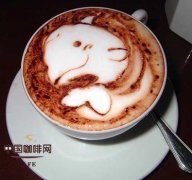
Why Every Cappuccino Is a Unique Hand-Painted Artwork
Every cappuccino is different because baristas create unique latte art—free-poured patterns called 'latte art' and carved designs called 'etching.' No two are ever the same.
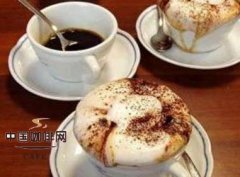
Why Cappuccino Tastes Bitter and Beautiful
Learn why a well-made cappuccino has a bitter undertone and how espresso quality, milk texture, and ratios create its signature taste.

Dry vs Wet Cappuccino: What's the Difference?
Dry cappuccinos have more foam and less milk, making them stronger and bolder; wet cappuccinos are creamier, like a lighter latte.

Where the Name 'Cappuccino' for Coffee Really Comes From
Learn how the cappuccino got its name from 16th-century Italian monks and why it became popular worldwide by the 1990s.

How a Traditional Cappuccino Can Taste Different Every Time
A classic cappuccino's layered structure—espresso, steamed milk, and foam—delivers shifting flavors with every sip, from sweet foam to bold espresso.
What Is That Milk Mustache on Your Cappuccino?
A proper cappuccino leaves a delicate 'milk beard' on your upper lip. Learn why, how it’s made, and what makes this Italian-style coffee unique.
Cappuccino vs Latte: What’s the Real Difference?
Cappuccinos have more foam—half the cup—while lattes have thin foam and more milk. Learn the exact ratios and textures that set them apart.
How to Make a Great Cappuccino at Home Without a Coffee Shop
You don’t need pro equipment or skills—just patience. Here’s how to make an authentic cappuccino at home with just a moka pot and milk.