
Cappuccino
Latest articles, industry insights and brewing guides
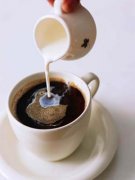
Where Does the Name 'Cappuccino' Really Come From?
The name 'cappuccino' comes from 16th-century Italian monks and wasn’t widely used until the 1990s. Learn the origin and how it’s made.

How to Make Cappuccino with Chocolate Flavor
Learn how to make a cappuccino with chocolate flavor using 10g coffee, 150ml water, milk, and chocolate bits with a step-by-step guide.

What Is a Cappuccino and What Makes It Special?
Learn what defines a cappuccino, how it’s made, and why the choice of coffee beans and milk texture create its unique flavor profile.

Latte vs Cappuccino vs Mocha: Key Differences Explained
Learn how latte, cappuccino, and mocha differ in milk ratio, texture, and flavor—key facts every specialty coffee drinker should know.

How to Make a Cappuccino at Home Like a Pro
Learn how to make a classic cappuccino at home with the right milk, espresso, and thick milk foam using simple tools.

Why Siphon Coffee Can’t Make a Cappuccino
Siphon coffee is too light and lacks the boldness needed for cappuccinos. Here’s why espresso is essential for this classic milk-based coffee.

Why a Cappuccino Leaves a Milk Mustache on Your Lip
A skilled barista’s velvety microfoam creates the signature milk mustache in a traditional cappuccino. Here’s how texture and technique make it happen.

Why Traditional Cappuccino Tastes Different Every Sip
Traditional cappuccino’s layered ratios—1/3 espresso, 1/3 steamed milk, 1/3 foam—create shifting flavors from sweet foam to bitter crema. Here’s how.
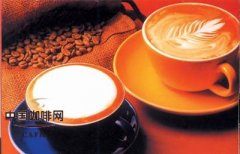
Why Is It Called Cappuccino? The Real Story Behind the Name
The cappuccino gets its name from 16th-century Italian monks. Its brown-and-white color resembles their distinctive hooded robes.

Dry vs Wet Cappuccino: Which Milk Foam Ratio Is Right for You?
Dry cappuccinos have more foam and less milk, emphasizing coffee flavor, while wet versions use more steamed milk for a smoother, latte-like taste.
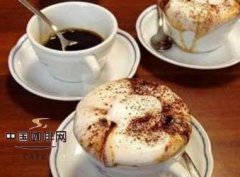
What Makes a Cappuccino’s Bitter Beauty
A classic cappuccino balances bitter espresso with thick milk foam. Here’s how milk texture, espresso strength, and pouring ratios create its signature taste.

Cappuccino vs Latte: What’s the Real Difference?
Learn the exact differences between cappuccino and latte—foam ratio, texture, and milk levels—that make these two classic espresso drinks unique.

Cappuccino vs Latte: Name Origins & Brewing Methods
Learn how cappuccino and latte got their names and how to brew them at home with the right espresso, milk, and foam ratios.

How to Make a Double Espresso Two-Layer Cappuccino Freddo
A two-layer Cappuccino Freddo uses two espressos, crushed ice, and thick milk foam for a striking black-and-white cold coffee. Here’s how it’s built.

Why Is It Called Cappuccino? The Surprising History Behind the Name
The name 'cappuccino' comes from 16th-century Capuchin monks, whose brown robes and hoods inspired the drink’s iconic look. Here’s the full story.

The Surprising Origins of the Word Cappuccino
Learn how the cappuccino got its name—from 16th-century monks to a monkey species—and when it entered English usage.

What Makes Cappuccino Coffee So Irresistibly Unique?
Discover why cappuccino captivates coffee lovers with its 1:1:1 espresso, steamed milk, and foam ratio, bold flavor layers, and iconic golden crema ring.

Dry vs Wet Cappuccino: What’s the Difference in Coffee?
Learn the difference between dry and wet cappuccinos—how milk foam and espresso balance affects taste, texture, and your ideal cup.

Coffee Cup Sizes Explained: Espresso, Cappuccino, Latte
Coffee cups typically come in three sizes: espresso (50–80ml), cappuccino (120–140ml), and latte (300ml+), each suited to different brew strengths and milk ratios.
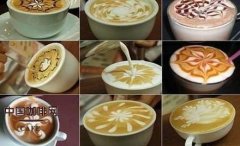
Why Cappuccino Latte Art Is the Most Beautiful Coffee Drink
Cappuccino is famed for its layered design and taste. Every pour creates a unique latte art pattern—no two cappuccinos look alike.