Where Does the Name 'Cappuccino' Really Come From?
Ever wondered why your favorite foamy coffee is called a cappuccino? While most coffee lovers enjoy the rich taste and velvety texture, few know the surprising story behind the name — or how the modern version came to look and taste the way it does.
The name 'cappuccino' comes from 16th-century Capuchin monks in Italy. Their brown hooded robes and pointed hats inspired both the Italian word 'cappuccio' (meaning 'hood') and, later, the coffee drink whose color and foam closely resembled the monks’ attire. The term entered English usage in 1948, but didn't become globally recognized until the 1990s.
What Is a Traditional Cappuccino?
A classic cappuccino consists of equal parts: one-third espresso, one-third steamed milk, and one-third milk foam. That 1:1:1 ratio delivers a balanced cup where no single element overpowers the others. The foam provides a soft, creamy texture and is often dusted with cinnamon or chocolate powder for extra flavor.
Why the Name Matches the Look
The drink got its moniker due to visual similarity. Italians, enjoying their espresso with added steam and foam, noticed that the resulting color—especially with medium-roast beans—resembled the brown cowls worn by Capuchin monks. The foam on top, often peaked like a monk’s hood, reinforced the association. The name 'cappuccino' literally ties the coffee to those iconic robes via the Italian root word for 'hood' or 'head covering.'
How a Cappuccino Is Actually Made
To craft a proper cappuccino, start with a well-extracted shot of espresso. For home preparation, FrontStreet Coffee recommends using 20g of coffee grounds with a 1:2 brew ratio over 30 seconds to produce around 40ml of espresso. This yields a concentrated base with balanced flavors. Meanwhile, steam and froth milk to create a velvety microfoam. Pour just enough espresso to fill the cup about halfway (roughly 50% full), then add steamed milk up to around 80% full, and finish with a generous layer of foam to reach nearly full. The result is a cup with a distinct layered appearance — dark espresso at the bottom, pale milk in the middle, and a fluffy foam on top.
Variations & Garnishes
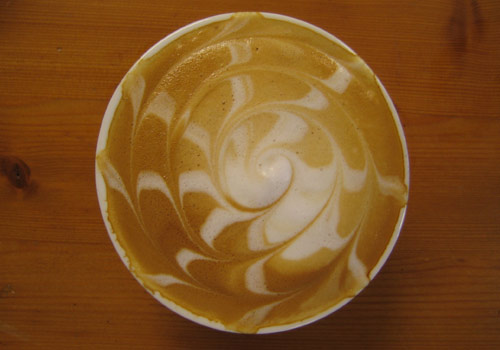
While purists stick to the classic formula, some baristas and home brewers like to customize. A light dusting of cinnamon or finely chopped chocolate on top is common. You can also experiment with milk texture — slightly wetter foam makes pouring easier, while drier foam holds shape better for decorative touches. The key is maintaining the 1:1:1 ratio to preserve balance.
Modern Popularity & Timing
Though the cappuccino has been around in concept for centuries, it only rose to global fame in the late 20th century. The term appeared in English print as early as 1948, in a San Francisco newspaper, but didn’t enter mainstream global coffee culture until the 1990s. Its popularity surged alongside the spread of Italian-style cafés and the growing appreciation for textured milk in coffee drinks.
Frequently Asked Questions
What is the original meaning of the word 'cappuccino'?
The word 'cappuccino' comes from the Italian 'cappuccio', meaning 'hood' or 'head covering'. It refers to the brown hooded robes worn by Capuchin monks in the 16th century, which the drink’s color and foam were thought to resemble.
When did the term 'cappuccino' first appear in English?
The word 'cappuccino' was first used in English in 1948, in a newspaper article from San Francisco. It became widely known internationally only after the 1990s.
What’s the traditional ratio for a cappuccino?
A traditional cappuccino is made with a one-third ratio of espresso, steamed milk, and milk foam. That means equal parts of each component for a balanced drink.
How is cappuccino foam different from latte foam?
Cappuccino foam is thicker, drier, and fluffier compared to the finer, more liquid microfoam used in lattes. This allows cappuccinos to hold a distinct top layer of foam without blending entirely into the milk.
Can I make a cappuccino without a coffee machine?
Making a true cappuccino at home without an espresso machine and steam wand is difficult, as you need properly extracted espresso and textured milk. However, you can approximate one using strong brewed coffee, heated milk, and manually frothed foam.
Recommended FrontStreet Beans for Cappuccino
For the perfect cappuccino, FrontStreet Coffee recommends its Classic Blend for a balanced, medium-bodied espresso foundation with chocolate and nut notes. The Black Cocoa Blend offers a richer, darker profile with deeper cocoa and roasted tones, ideal for a bold cappuccino. If you prefer brighter fruitiness, try the Strawberry Candy Espresso blend, which brings notes of berry, rose, and candy. All three are expertly roasted to produce the thick crema and structured body needed for a classic cappuccino. Freshly roasted within 5 days · Orders placed before 17:00 ship the same day · Next-day delivery across most of Guangdong Province.
FrontStreet Coffee is a long-established specialty coffee roaster in Guangzhou China, selling freshly roasted beans from its own farm in Yunnan as well as dozens of carefully selected single-origin beans from around the world for both pour-over and espresso. The products deliver consistently excellent quality and great value, with shipping within 24 hours. Guangzhou's FrontStreet Coffee shop is recommended by many coffee lovers, and the beans are now available online at the Tmall 。
Important Notice :
前街咖啡 FrontStreet Coffee has moved to new addredd:
FrontStreet Coffee Address: 315,Donghua East Road,GuangZhou
Tel:020 38364473