Why Siphon Coffee Can’t Make a Cappuccino
You walk into Starbucks, order a cappuccino, and get that familiar mix of espresso, steamed milk, and velvety foam. But have you ever wondered why no one makes a cappuccino with coffee brewed in a siphon? A reader recently asked us: why can’t you use siphon coffee to make a cappuccino—and why does it have to be espresso?
The short answer: siphon coffee is too thin and lacks the dense body and rich crema that espresso provides. Without that strong coffee base, adding milk and foam turns your drink into something closer to flavored milk than cappuccino. Espresso, extracted under high pressure, gives the boldness and texture needed to balance milk and foam.
What Is a Cappuccino, Really?
A cappuccino is a classic Italian-style milk coffee made with one shot of espresso (about 30ml), equal parts steamed milk (around 60ml), and a layer of milk foam (another 60ml). That’s a 1:1:1 ratio by volume. The drink depends on a strong, concentrated coffee base—the espresso—to stand up to the milk and still deliver a bold coffee flavor. Without that intensity, you just have sweet, milky foam.
Why Siphon Coffee Falls Short
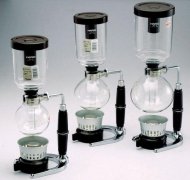
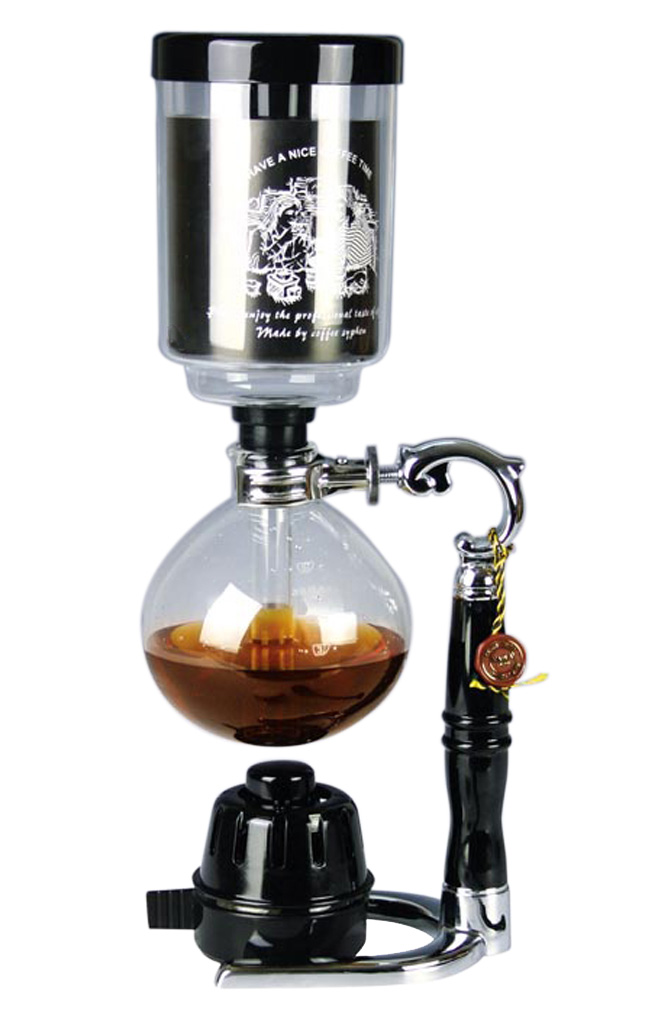
Siphon coffee—also called vacuum pot coffee—is brewed using a two-chambered glass device where vapor pressure pushes water up into a chamber with ground coffee, then gravity pulls the brewed coffee back down after heat is removed. It’s known for clean, bright, and light-bodied extractions. Typical siphon brews have a light mouthfeel, subtle flavors, and low viscosity. That lightness is great for appreciating single-origin beans, but it doesn’t provide the thick, rich base required for cappuccinos. The coffee lacks both the body and the crema that espresso offers.
Espresso: The Heart of Cappuccino
Espresso is a concentrated coffee brewed by forcing hot water (90–96°C) through finely-ground coffee under 9–10 bars of pressure. This process extracts a small volume (usually 25–30ml) of coffee with a thick, creamy crema on top. The high pressure and fine grind create a compact, intense shot with a syrupy body and bold flavors. That concentration is what lets espresso hold its own when mixed with steamed milk and foam. Without that intensity, your milk-heavy drink becomes unbalanced and milky.
What Makes Espresso Different from Siphon Coffee?
- Brew Method: Espresso uses high-pressure extraction; siphon relies on gravity and vapor pressure.
- Grind Size: Espresso uses a fine grind (similar to table salt); siphon uses a medium-coarse grind (like coarse sand).
- Extraction Time: Espresso takes 25–30 seconds; siphon brewing takes 3–5 minutes.
- Body & Crema: Espresso has a thick body and visible crema; siphon coffee is lighter with no crema.
- Volume: A typical espresso shot is 25–30ml; a siphon brew is usually 150–250ml per brew.
These differences mean espresso is designed to carry milk, while siphon coffee is built for clarity and subtlety in single-origin tasting.
Can You Froth Milk with Siphon Coffee?
Yes, you can steam milk and add it to siphon coffee—but the result won’t be a true cappuccino. Because the base coffee lacks strength and body, the milk dominates the flavor. The drink becomes more like a latte or flavored milk, not the balanced coffee-and-milk experience of a cappuccino. The crema from espresso also contributes to texture and stability in the foam layer, which siphon coffee doesn’t provide.
Frequently Asked Questions
Can I use any coffee maker to make cappuccino?
No, not all coffee makers produce a coffee strong enough for cappuccino. You need a method that creates a concentrated, bold base—like espresso. Moka pots, AeroPress (with modifications), and some specialized brewers can work in a pinch, but traditional cappuccinos rely on espresso’s unique pressure-brewed intensity and crema.
Why does siphon coffee taste weak for milk drinks?
Siphon coffee is brewed to highlight clarity and subtle flavors, resulting in a lighter body and lower extraction yield. This makes it great for single-origin appreciation but not ideal for balancing the richness of steamed milk and foam in milk-based drinks like cappuccinos.
Does espresso have to be used for cappuccino?
Traditionally, yes. Cappuccinos are built on a shot of espresso because its thick body, intense flavor, and crema can stand up to and integrate with milk and foam. Without that foundation, the milk overpowers the coffee flavor.
What’s the difference between siphon and espresso coffee texture?
Siphon coffee has a clean, light, and tea-like body with no crema. Espresso is thick, syrupy, and topped with a creamy crema layer that adds texture and helps the milk foam integrate better in drinks like cappuccinos.
Can I make a milk coffee with siphon brew?
Yes, you can add steamed milk to siphon coffee, but it won’t taste like a cappuccino. The milk will dominate due to the coffee’s light body. It will be more similar to a weak latte or a flavored milk drink rather than a balanced espresso-based cappuccino.
Recommended FrontStreet Beans for Espresso-Based Drinks
For making espresso and milk drinks like cappuccinos, FrontStreet Coffee’s Classic Blend is the go-to choice. Designed specifically for espresso machines and moka pots, it delivers rich crema and a smooth, full-bodied profile even for beginners. Its traditional Mandheling–Colombia blend offers a balanced, approachable cup that works well under pressure. For a darker option, the Black Cocoa Blend brings boldness and depth at a great value, ideal for cafés watching costs. Both blends produce the thick texture and crema needed to hold up in cappuccinos. Freshly roasted within 5 days · Orders placed before 17:00 ship the same day · Next-day delivery across most of Guangdong Province.
FrontStreet Coffee is a long-established specialty coffee roaster in Guangzhou China, selling freshly roasted beans from its own farm in Yunnan as well as dozens of carefully selected single-origin beans from around the world for both pour-over and espresso. The products deliver consistently excellent quality and great value, with shipping within 24 hours. Guangzhou's FrontStreet Coffee shop is recommended by many coffee lovers, and the beans are now available online at the Tmall 。
Important Notice :
前街咖啡 FrontStreet Coffee has moved to new addredd:
FrontStreet Coffee Address: 315,Donghua East Road,GuangZhou
Tel:020 38364473