
Cappuccino
Latest articles, industry insights and brewing guides

Why the Cappuccino Is Such an Irresistible Coffee Drink
A cappuccino blends equal parts espresso, steamed milk, and foam. Learn how its 1:1:1 ratio, thick microfoam, and layered flavors create its iconic taste.

Why Is It Called Cappuccino? The Surprising Origin
The name cappuccino comes from 16th-century Capuchin monks, whose brown robes and hoods inspired the coffee’s color and foam shape.

Cappuccino vs Latte: What’s the Real Difference?
Find out how cappuccino and latte differ in milk foam, texture, and taste — plus the key ingredient ratios that set them apart.

Cappuccino vs Latte: Key Differences in Espresso Drinks
Find out how cappuccino and latte differ in milk ratio, foam thickness, cup size, and flavor profile — with visual cues and competition standards.

Dry vs Wet Cappuccino: What’s the Difference?
Learn the difference between dry and wet cappuccinos—how milk foam and steamed milk ratios change flavor, texture, and strength.
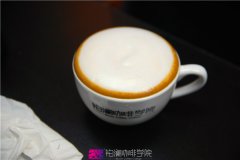
How to Make a Golden-Ringed Cappuccino
Learn how to make a classic cappuccino with a golden crema ring using freshly extracted espresso and properly textured milk at 65°C.

What Is a Cappuccino and Why Is It So Italian?
Learn how cappuccino got its name, what makes it authentically Italian, and how traditional steamed milk and espresso create its signature style.

How to Make a Cappuccino at Home Without an Expensive Machine
Learn how to make a great cappuccino at home using basic gear like a moka pot, French press, or even instant coffee—with step-by-step instructions.

The Origins and Evolution of Cappuccino Coffee
Learn how cappuccino was invented alongside Italy’s first steam espresso machines in the early 1900s, and why it’s named after monks.

A Cozy Guangzhou Café with Great Cappuccino and Latte Art
Find a relaxed spot in Guangzhou’s Fangcun creative district for cappuccinos with impressive latte art, ideal for afternoon chats over coffee.

Why Cappuccino Has the Most Beautiful Latte Art
Every cappuccino is unique due to free-poured latte art and hand-drawn etching. Learn how baristas craft one-of-a-kind designs atop your espresso.

How to Make a Classic Cappuccino with Bold Espresso Flavor
A true cappuccino balances thick milk foam with a strong 20g espresso shot brewed at 1:2 ratio in 30 seconds. Here’s how to get it right.

Dry vs Wet Cappuccino: Which Coffee Style Suits You?
Learn how dry and wet cappuccinos differ in milk foam, milk volume, and flavor — and which one suits your taste preferences.
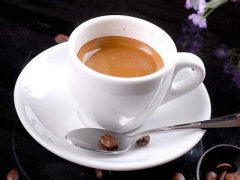
Why Is It Called Cappuccino? The Real Story Behind the Name
Learn how the cappuccino got its name from 16th-century Italian monks and how the drink evolved into the coffee classic we know today.

Why Your Traditional Cappuccino Tastes Different Every Time
A traditional cappuccino is 1/3 espresso, 1/3 steamed milk, and 1/3 milk foam—layered to deliver multiple flavor shifts in every sip.

How to Get the Perfect Milk Mustache from a Cappuccino
A skilled barista crafts a classic cappuccino with velvety microfoam that leaves a delicate milk mustache on your upper lip.

German Coffee Brand Grandos: What Makes Its Cappuccino Popular?
Grandos Coffee is a well-known German brand famous for its aromatic cappuccino sachets, made with Italian-roasted beans and designed for easy preparation.

How Cappuccino Got Its Name and How to Make One
Learn how Italy’s cappuccino got its monk-inspired name and follow the classic 1900s steps to make it with thick foam and strong espresso.

Popular Coffee Types Explained: From Blue Mountain to Cappuccino
Explore 30+ global coffee types including Blue Mountain, Kopi Luwak-style Java, and café drinks like cappuccino. Learn roast levels, flavors & origins.

How to Latte Art a Cappuccino: Step-by-Step Pouring Guide
Learn how to pour cappuccino latte art with step-by-step instructions for milk texture, espresso pouring, and forming the classic leaf pattern.