
Cappuccino
Latest articles, industry insights and brewing guides
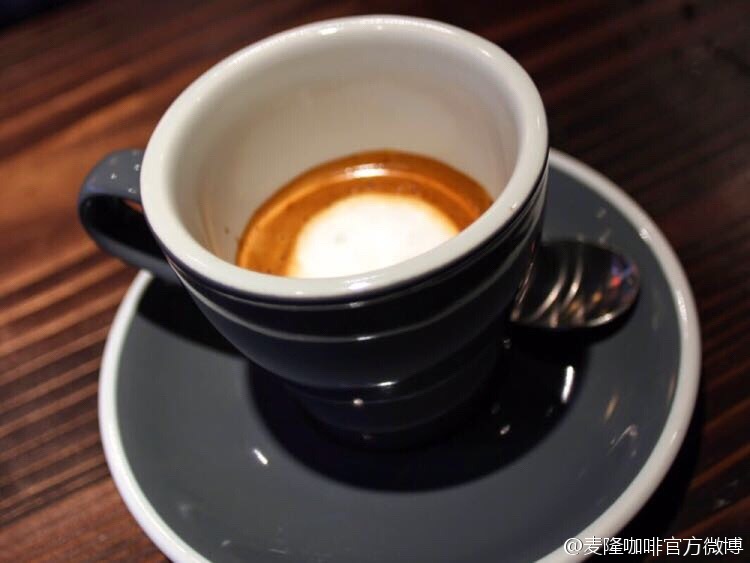
What’s the Difference Between Macchiato, Cappuccino and Latte?
Learn how traditional Italian espresso drinks differ—from a true macchiato’s single dot of foam to cappuccino’s 1:1:1 ratio.
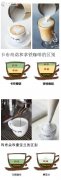
Cappuccino vs Latte vs Macchiato vs Con Panna
Learn the key differences between cappuccino, latte, macchiato and con panna — including milk ratios, espresso shots, and traditional serving styles.

How Cappuccino Got Its Name from Monks’ Habits
The name 'cappuccino' comes from 16th-century Capuchin monks and their brown robes. Learn how this led to today’s iconic coffee drink.
How to Make Common Coffee Drinks: Cappuccino, Latte & More
Step-by-step recipes for classic espresso-based drinks like cappuccino, latte, mocha, and americano, with ratios and preparation details.

Dry vs Wet Cappuccino: What’s the Difference?
Dry cappuccinos have more foam and less milk, highlighting coffee flavor. Wet cappuccinos use more steamed milk, resembling a lighter latte. Learn which suits your taste.
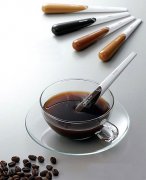
Edible Cappuccino Coffee Sticks for Quick Dissolving
A designer created edible coffee sticks that mix and stir your drink—dissolving fast and evenly while doubling as a snack.

Why Cappuccino Cups Matter for Specialty Coffee
Learn why cappuccino cups are designed the way they are and how their shape, material, and size impact coffee taste and presentation.
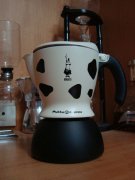
How to Make Cappuccino at Home with a Bialetti Mukka Pot
Learn how to use the Italian Bialetti Mukka pot to brew rich Cappuccino or Latte at home, with pressure steam for creamy milk foam.
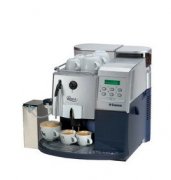
Saeco Royal Cappuccino: Full-Sized Home Espresso Machine
The Saeco Royal Cappuccino is a 2.4L boiler, 1600W Italian-made automatic machine with built-in milk frothing and energy-saving features.
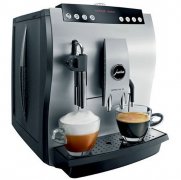
Jura IMPRESSA Z5 Aluminum: Home Espresso Machine with One-Touch Cappuccino
The Jura IMPRESSA Z5 aluminum series delivers café-quality cappuccinos at home with a single button, 3mm aluminum panel, and smart features.

Cappuccino, Latte, and Café au Lait: What Makes Them Different?
Learn how cappuccino, latte, and café au lait differ in milk ratios, foam texture, and flavor—plus how to make a classic cappuccino at home.

Dry vs Wet Cappuccino: What’s the Difference?
Dry cappuccinos have more foam and less milk for stronger coffee flavor, while wet versions are creamier with more steamed milk. Find out which suits your taste.
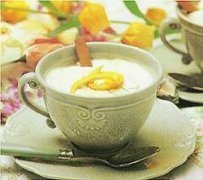
The Origins of the Word 'Cappuccino' in Coffee Culture
Discover how the cappuccino got its name from 17th-century monks and Italian language evolution, and when the term entered English usage.
Cappuccino Origins and How to Brew Wet or Dry Styles
Learn the surprising history behind the word 'cappuccino' and how to make classic dry or wet versions at home with step-by-step guidance.

Where Does the Name 'Cappuccino' Really Come From?
The word 'cappuccino' comes from 16th-century Capuchin monks’ habits — not coffee. Learn how a brown robe inspired your favorite drink’s name.

How Cappuccino Got Its Name — And Why It’s Also a Monkey
Learn how the cappuccino coffee drink got its name from 16th-century monks and a monkey species, plus how dry and wet styles differ.

The Origin of Cappuccino and What Makes It a Classic
Learn how Capuchin monks inspired the name of cappuccino, how it evolved into a coffee classic, and the difference between dry and wet styles.

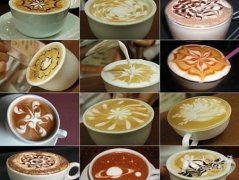
Classic Cappuccino and Other Popular Fancy Coffees Explained
Learn how to make a perfect Italian cappuccino and explore 12 classic styles of fancy coffee from around the world.

Cappuccino vs Latte: Key Differences in Espresso Milk Drinks
Learn how cappuccino and latte differ in milk foam ratio, texture, and taste — plus how to spot the difference between these classic Italian drinks.
Cappuccino: Dry or Wet, What’s the Difference?
Learn how cappuccino can be served either 'dry' with more foam or 'wet' with more milk, and how that changes flavor and texture.