
Cappuccino
Latest articles, industry insights and brewing guides

Why Cappuccino Is the Most Popular Coffee Drink
Cappuccino’s rich flavor comes from its thick milk foam—learn why it’s loved as one of the best espresso-based drinks worldwide.

What Makes a Cappuccino a True Coffee Classic?
A true cappuccino features a thick layer of steamed milk foam over a strong espresso base, balanced perfectly for a bold yet smooth flavor.

What Makes Cappuccino’s Flavor So Rich and Balanced?
A cappuccino’s bold espresso meets velvety steamed milk foam, creating a complex sweet-bitter balance. Learn how steam-textured milk defines its taste.

How a Cup of Cappuccino Tied Together Six Years of Friendship
A six-year-old text message with just three words—'old place'—reunites two former classmates over a shared love of cappuccino, revealing how coffee shaped their bond.

How to Make Cappuccino Iced Coffee Step by Step
Learn how to prepare a classic cappuccino iced coffee with foam, chocolate syrup, and whipped cream using a measured Italian espresso base.

How to Make a Proper Cappuccino with Espresso
Learn how to craft a classic cappuccino with the right espresso-to-milk ratio, steamed milk texture, and foam layer for a balanced drink.

How to Make a Classic Cappuccino Step by Step
Learn how to make a traditional cappuccino with equal parts espresso, steamed milk, and foam using a 1:2 brew ratio and 30-second extraction.

Cappuccino vs Latte: What’s the Real Difference?
Cappuccinos have more foam, stronger coffee flavor. Lattes use less foam and more steamed milk. Here’s how to tell them apart.
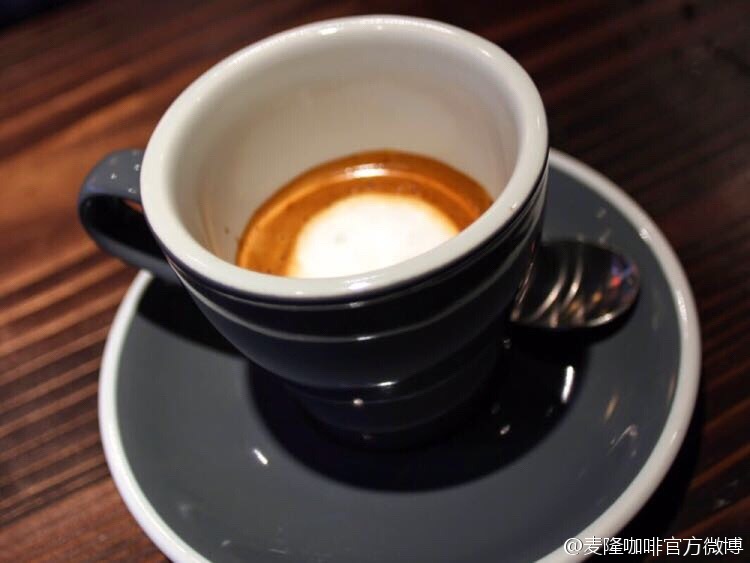
What’s the Difference Between Macchiato, Cappuccino and Latte?
Learn how traditional Italian espresso drinks differ—from a true macchiato’s single dot of foam to cappuccino’s 1:1:1 ratio.
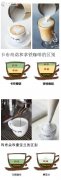
Cappuccino vs Latte vs Macchiato vs Con Panna
Learn the key differences between cappuccino, latte, macchiato and con panna — including milk ratios, espresso shots, and traditional serving styles.

How Cappuccino Got Its Name from Monks’ Habits
The name 'cappuccino' comes from 16th-century Capuchin monks and their brown robes. Learn how this led to today’s iconic coffee drink.

How to Make Common Coffee Drinks: Cappuccino, Latte & More
Step-by-step recipes for classic espresso-based drinks like cappuccino, latte, mocha, and americano, with ratios and preparation details.

Dry vs Wet Cappuccino: What’s the Difference?
Dry cappuccinos have more foam and less milk, highlighting coffee flavor. Wet cappuccinos use more steamed milk, resembling a lighter latte. Learn which suits your taste.
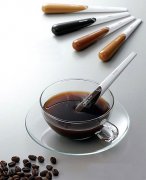
Edible Cappuccino Coffee Sticks for Quick Dissolving
A designer created edible coffee sticks that mix and stir your drink—dissolving fast and evenly while doubling as a snack.

Why Cappuccino Cups Matter for Specialty Coffee
Learn why cappuccino cups are designed the way they are and how their shape, material, and size impact coffee taste and presentation.
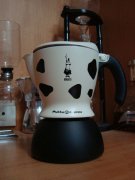
How to Make Cappuccino at Home with a Bialetti Mukka Pot
Learn how to use the Italian Bialetti Mukka pot to brew rich Cappuccino or Latte at home, with pressure steam for creamy milk foam.
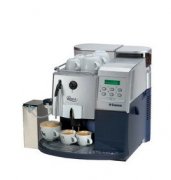
Saeco Royal Cappuccino: Full-Sized Home Espresso Machine
The Saeco Royal Cappuccino is a 2.4L boiler, 1600W Italian-made automatic machine with built-in milk frothing and energy-saving features.
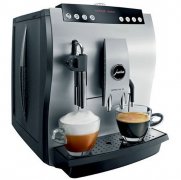
Jura IMPRESSA Z5 Aluminum: Home Espresso Machine with One-Touch Cappuccino
The Jura IMPRESSA Z5 aluminum series delivers café-quality cappuccinos at home with a single button, 3mm aluminum panel, and smart features.

Cappuccino, Latte, and Café au Lait: What Makes Them Different?
Learn how cappuccino, latte, and café au lait differ in milk ratios, foam texture, and flavor—plus how to make a classic cappuccino at home.

Dry vs Wet Cappuccino: What’s the Difference?
Dry cappuccinos have more foam and less milk for stronger coffee flavor, while wet versions are creamier with more steamed milk. Find out which suits your taste.