
Cappuccino
Latest articles, industry insights and brewing guides

Illy Art Collection: Espresso Cups & Cappuccino Sets with Artists
Explore how Illy merged coffee and art with its limited-edition espresso and cappuccino cups, featuring collaborations with over 100 global artists.

Top Artistic Cafés in Shenzhen with High-End Cappuccinos
Explore five of Shenzhen’s most atmospheric cafés, including one famous for its signature 92°C coffee and another perfect for sending future mail.

What Is a Cappuccino? Espresso, Milk & Milk Foam Ratio Explained
A cappuccino consists of equal parts espresso, steamed milk, and milk foam. Learn its origins, standard recipe, and how it differs from a latte.

Saeco Royal Cappuccino: Full Specs & Features Review
The Saeco Royal Cappuccino is a high-end 15-bar espresso machine with dual turbo, auto milk frothing, and customizable grind settings. Priced at ¥8,588.

SAECO IDEA CAPPUCCINO: High-Volume Commercial Coffee Machine
The SAECO IDEA CAPPUCCINO serves up to 1,000 cups daily at 150 cups/hour. With dual boilers and a 2100g bean hopper, it’s built for hotels and offices.

What Is a Cappuccino? Origins, Types & How to Make One
Learn the origins, ingredients, and types of cappuccino—from dry to wet—plus a step-by-step guide to making it at home with the right milk foam.

YAMI Coffee Cup Series for Espresso and Cappuccino
Explore the YAMI ceramic coffee cup series, featuring themed designs in sizes from 80cc to 240cc for espresso, macchiato, cappuccino, and single-origin brews.

How to Make a Classic Cappuccino Like a Specialty Coffee Shop
Learn the traditional 1:1:1 ratio, proper milk texture, and pouring steps to craft a true cappuccino with rich espresso and velvety foam.

Cappuccino Cup Guide: Bone China 240cc Five-Piece Set
Discover the ideal 240cc cappuccino cup made from fine bone china, its care, and why it matters for espresso-based drinks.

Espresso, Latte & Cappuccino Cup Sizes Explained
Find out the ideal cup sizes for espresso, cappuccino, and latte, and why smaller cups mean stronger coffee in specialty brewing.

How to Control Milk Temperature for Latte and Cappuccino with a JIMISI Thermometer
Find the ideal milk steaming temperature for silky microfoam—60°C is the sweet spot before it rises to 70–80°C during resting.
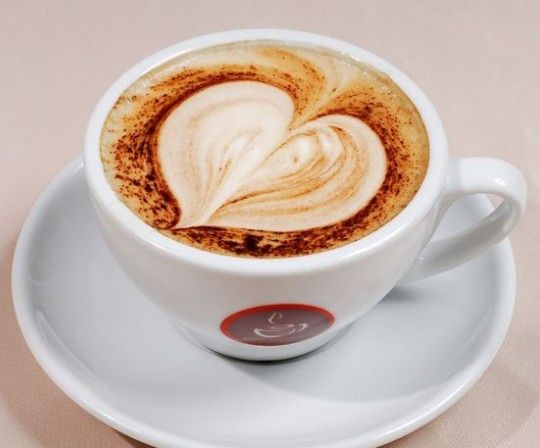
Dry vs Wet Cappuccino: What’s the Real Difference?
Learn how dry and wet cappuccinos differ in milk foam, texture, and strength—with clear ratios and serving advice for each style.
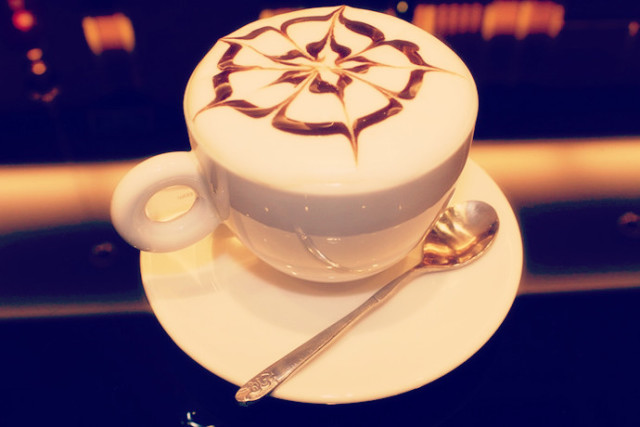
SCAE Standards for Cappuccino: Ratio, Temperature & Milk Foam
The SCAE defines cappuccino as 25–35ml espresso, 150–180ml cup, 0.5–1.5cm milk foam, served at 50–65°C. Here’s the official breakdown.
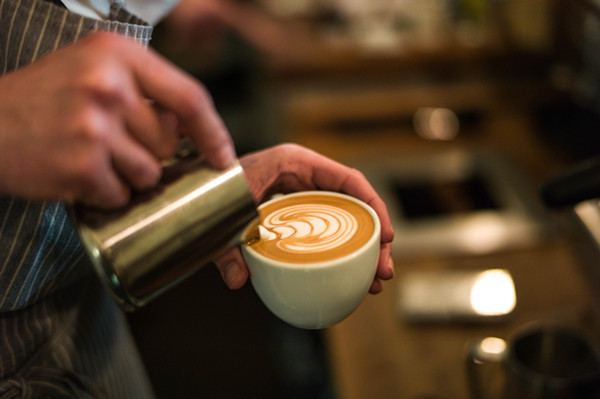
Latte vs Cappuccino: How Much Milk Foam Is Right?
Learn the exact differences in milk and foam ratios between a latte and cappuccino, and why texture and taste vary so much.

SCAE Standards for Cappuccino: Ratios, Temperature & Technique
Discover the official SCAE guidelines for cappuccino: cup size, espresso volume, milk foam thickness, and ideal serving temperature.

What Makes a Great Cappuccino? The Essential Guide
A true cappuccino balances equal parts espresso, steamed milk, and foam. Learn the key ratios, temperatures, and textures that define a quality cup.

Cappuccino: The Perfect Milk and Coffee Combination
Learn how traditional cappuccino is made with equal parts espresso, steamed milk, and foam, and why its flavor balance makes it a classic.

The Difference Between Latte, Cappuccino, and Matcha Latte
Learn the true origins of latte, how it differs from cappuccino and matcha latte, and why 'latte' alone doesn’t mean coffee.

How to Make a Great Cappuccino at Home Without Fancy Gear
You don’t need a café machine to make a proper cappuccino. With just 30ml espresso and 150ml milk, plus basic tools, you can pull it off at home.

Cappuccino vs Latte: What’s the Real Difference?
Cappuccinos have thick foam making up half the cup, while lattes have thin foam under 10%. Learn the exact ratios, textures, and serving styles.