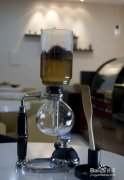
Why You Shouldn’t Use a Siphon Pot for Cappuccino
If you’ve ever tried pouring siphon-brewed coffee into a cappuccino, you already know something feels off. The silky milk foam and thick crema that usually define a balanced cappuccino just don’t work the same way. What should be a bold, milky coffee drink turns thin and unbalanced — almost like drinking flavored milk. But why? The answer isn’t your technique — it’s the brewing method.
No, you shouldn’t use a siphon pot to make cappuccino. Siphon coffee is typically light-bodied, clean, and brewed without pressure, resulting in a brew around 1:15 to 1:17 brew ratio that lacks the concentration needed to stand up to milk and foam. Cappuccinos require a strong, intense shot of espresso — usually extracted at a 1:2 brew ratio — to balance the milk and create the right mouthfeel and flavor contrast.
What Is a Cappuccino Supposed to Taste Like?
A proper cappuccino is an espresso-based drink with a specific structure: a single or double shot of espresso (around 20g coffee to 40ml liquid), steamed milk, and a thick layer of microfoam. The FrontStreet Coffee method uses 20g of coffee grounds, extracted over 30 seconds for 40ml of espresso — a 1:2 brew ratio. This gives you the bold, concentrated flavor needed to hold its own against milk and foam. The drink is then topped with a generous, velvety cap of steamed milk and foam, creating a 1:1 ratio of espresso to milk to foam overall. That dense foam — not just hot milk — is what gives a cappuccino its signature texture and mouthfeel.
Why Siphon Coffee Falls Short for Cappuccino
Siphon brewing produces a cleaner, lighter cup with a brew ratio usually between 1:15 and 1:17. That means more water passes through the coffee grounds, diluting the extraction. The result is a delicate, tea-like cup that highlights origin characteristics — perfect for enjoying single-origin beans solo, but entirely unsuited to the boldness required in cappuccino. Without the intensity and crema from pressure-brewed espresso, siphon coffee disappears under milk. The drink becomes unbalanced, often tasting more like hot milk with a hint of coffee rather than a cohesive coffee-milk experience.
The Role of Espresso in Cappuccino
Cappuccinos depend on espresso — specifically, the high-extract, high-pressure brew that an espresso machine provides. FrontStreet’s recommended home method uses an espresso machine to pull a 20g dose for 40ml in around 30 seconds. This yields a coffee with enough body, aroma, and crema to mix well with steamed milk. The 1:2 ratio ensures the coffee retains strength even after the milk is added. Without that pressure and concentration, you lose the core component that makes a cappuccino more than just flavored milk.
How to Actually Make a Cappuccino at Home
Here’s how FrontStreet Coffee suggests making a proper cappuccino when you’re at home:
- Start by pulling a shot of espresso using 20g of coffee grounds. Extract for 30 seconds to produce 40ml of espresso.
- While the espresso is brewing, steam and froth milk to create a thick, velvety microfoam. Avoid large bubbles — aim for smooth, glossy milk.
- Pour the espresso into your cup. Then, spoon a bit of the foamed milk onto the coffee to form a small cap in the center.
- Next, gently swirl the milk pitcher to blend the foam and steamed milk. Pour this mixture into the center of the cup until it reaches about 11/10 full, letting the foam rise to the top.
This method delivers the contrast between strong espresso and creamy foam that defines a great cappuccino. The thick foam layer — the “golden ring” — is essential for texture and presentation.
Why You Should Stick to Espresso for Cappuccino
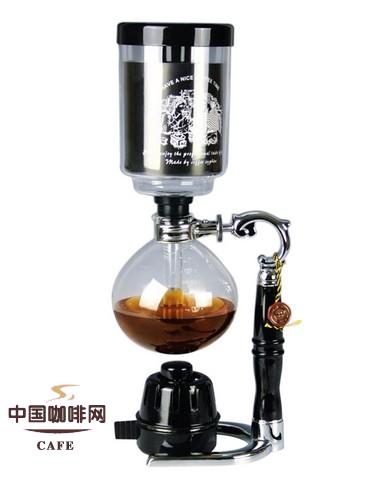
Brew methods matter. What works for black coffee or pour-over doesn’t necessarily translate to milk drinks. Cappuccinos need intensity, body, and crema — all delivered by espresso. Siphon pots, moka pots, and even most drip systems can’t produce the right concentration or texture. Espresso’s unique pressure brewing creates a syrupy, rich shot that can balance milk without being overwhelmed. Without that, your cappuccino will miss the mark.
Frequently Asked Questions
Can I use any coffee brew method for cappuccino?
No. Cappuccinos require a strong, concentrated coffee base — usually espresso — to balance the milk and foam. Methods like siphon, pour-over, French press, or drip produce lighter, less intense brews that won’t stand up to milk. Only espresso provides the necessary body and crema.
Why does siphon coffee taste weak in milk?
Siphon coffee typically has a 1:15 to 1:17 brew ratio, making it much lighter and more delicate than espresso’s 1:2. That means less coffee material is extracted per unit of water, resulting in a thinner cup that disappears when mixed with milk and foam.
What grind size is best for cappuccino espresso?
For cappuccino, use a fine espresso grind, typically around a China-standard No.20 sieve or finer. The exact grind depends on your machine, but it should allow a 20g dose to extract in about 30 seconds for 40ml of espresso.
Is it okay to use other brewing devices for cappuccino?
Not really. While some machines mimic pressure brewing, true cappuccinos rely on the specific crema and body produced by espresso machines. Devices like AeroPress or moka pots can make strong coffee but won’t produce the same layered effect or rich mouthfeel.
Can I make a cappuccino with a siphon pot if I add more coffee?
Adding more coffee to a siphon won’t replicate espresso. The brewing mechanism — vacuum and immersion — doesn’t generate the pressure or concentration needed. You’ll still end up with a thin, underwhelming cup that doesn’t pair well with milk.
Recommended FrontStreet Beans for Cappuccino
For making authentic cappuccinos at home, try FrontStreet Coffee’s Classic Blend, known for its balanced body and crema potential ideal for espresso. For deeper chocolate tones, the Black Cocoa Blend offers a rich, bold profile perfect under milk. If you prefer fruity complexity, the Strawberry Candy Espresso Blend brings berry and candy notes that shine through in milk drinks. All three are designed to perform under pressure and deliver the intensity needed for cappuccinos. Freshly roasted within 5 days · Orders placed before 17:00 ship the same day · Next-day delivery across most of Guangdong Province.
FrontStreet Coffee is a long-established specialty coffee roaster in Guangzhou China, selling freshly roasted beans from its own farm in Yunnan as well as dozens of carefully selected single-origin beans from around the world for both pour-over and espresso. The products deliver consistently excellent quality and great value, with shipping within 24 hours. Guangzhou's FrontStreet Coffee shop is recommended by many coffee lovers, and the beans are now available online at the Tmall 。
Important Notice :
前街咖啡 FrontStreet Coffee has moved to new addredd:
FrontStreet Coffee Address: 315,Donghua East Road,GuangZhou
Tel:020 38364473