Siphon Coffee Brewing: Key Tips and Precautions
If you’ve ever struggled to get a clean, balanced cup from a siphon (vacuum) coffee maker—maybe your coffee tasted harsh, bitter, or just plain off—you’re not alone. Siphon brewing looks impressive, but it’s easy to mess up if you don’t know the critical details that actually affect extraction, flavor, and safety.
The key? Use medium-fine grind (around 2.5–3.5 on your grinder), water between 80–90°C, fresh coffee, and stick to a 50–60 second brew time. Also, always dry the lower chamber, use filtered water, and never leave coffee grounds soaking too long.
What Is Siphon (Vacuum) Coffee Brewing?
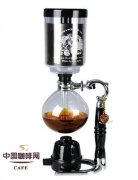
Siphon coffee relies on vapor pressure and vacuum to brew. Boiling water rises into the upper chamber where it mixes with ground coffee. Once removed from heat, a vacuum pulls the brewed coffee back down into the lower chamber, leaving grounds behind. This method highlights clarity and origin characteristics—great for medium-acid, medium-bodied coffees like balanced Ethiopians or Latin American beans.
Why Do These Steps Actually Matter?
Many siphon brewing guides focus on the dramatic glassware, but the real science comes down to grind size, temperature control, contact time, and cleanliness. These factors dictate whether your coffee tastes bright and sweet—or overly bitter and murky. For example, grind too fine and you’ll over-extract bitter tannins; too coarse and you’ll under-extract sour, weak coffee. Water hotter than 90°C scorches delicate flavors, while cooler temps under-extract.
Step-by-Step: How to Brew Siphon Coffee the Right Way
- Grind Size: Set your grinder to around 2.5–3.5 (medium-fine). Use slightly coarser for brighter, more acidic beans; finer for heavier, more bitter profiles. Adapt based on machine wear—new machines may need a higher setting, older ones a lower one.
- Coffee-to-Water Ratio: Use the correct amount of coffee and water as specified by your siphon's design—usually around a 1:12 to 1:16 ratio.
- Water Quality: Always use filtered, distilled, deionized, or magnetic-treated water. Never use mineral or tap water—it introduces off-flavors and scales your equipment.
- Water Temperature: Heat your water to between 80–90°C before inserting the upper chamber. Too hot = burnt flavors; too cool = weak, underdeveloped extraction.
- Heating: Start with hot water in the lower chamber to reduce boiling time. Control flame size: begin with strong heat to boil, then reduce to maintain gentle bubbling once the coffee rises.
- Brew Time: Total brew time (from when water rises to when you remove heat) should be 50–60 seconds maximum. Over-brewing leads to bitterness.
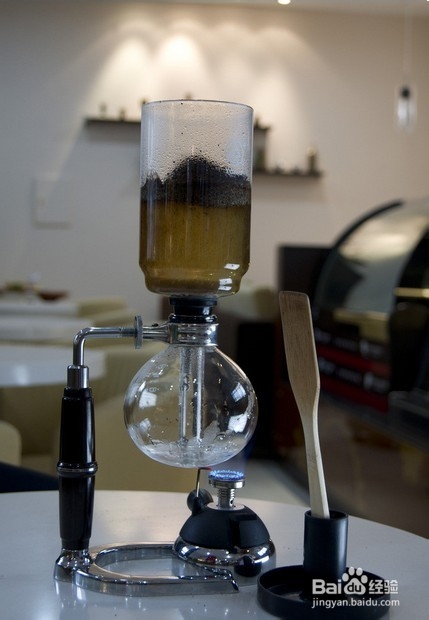
- Mixing: Use a wooden stir stick inserted two-thirds deep to gently mix grounds—do not stir aggressively. Avoid using spoons or other tools that touch the filter.
- Filter Setup: Ensure the filter’s spring is tight and the hook is properly secured in the center. This keeps grounds out of your brew.
- Insertion & Removal: When attaching the upper chamber, push down firmly until sealed. When removing it, tilt slightly right and lift straight up to avoid breakage. Hold the lower chamber firmly with your left hand.
- Wind & Flame: Protect the flame from direct drafts. Adjust flame size throughout to control temperature stability.
- Post-Brew: After brewing, tap the coffee grounds to loosen them before discarding. Rinse the upper chamber with water. Clean the lower chamber with a damp cloth—start at the bottom, then wipe sides.
- Storage & Maintenance: Store your filter in water or refrigerated in clean water to extend the life of the cloth. Always dry the lower chamber completely between uses.
Common Mistakes to Avoid
- Not drying the lower chamber—water droplets can crack hot glass.
- Using dirty or dry filters—always soak or refrigerate your filter cloth.
- Over- or under-grinding—get it between 2.5–3.5 for best results.
- Ignoring water quality—mineral-rich or unfiltered water ruins taste.
- Brewing too long or at wrong temperature—aim for 50–60 seconds at 80–90°C.
- Not preheating with hot water—wastes time and risks uneven extraction.
- Poor flame control or exposure to wind—leads to unstable temperatures.
- Rough stirring or improper tool use—can damage filter or over-extract.
- Leaving coffee sitting on the grounds too long—leads to over-extraction.
- Not cleaning siphon parts thoroughly after each use—build-up affects future brews.
Frequently Asked Questions
What’s the ideal grind size for siphon coffee?
Use a medium-fine grind, typically around 2.5–3.5 on your grinder scale. Grind coarser for brighter, acidic beans and finer for more extracted, heavier profiles. Adjust based on your specific machine’s wear.
What water temperature should I use for siphon brewing?
Heat your water to between 80–90 degrees Celsius before the upper chamber is placed. Going over 90°C can scorch the coffee, while below 80°C leads to under-extraction and weak flavor.
How long should I let siphon coffee brew?
Total brew time should be no more than 50–60 seconds from when the water rises into the upper chamber until you remove the heat source. Longer times risk bitter, over-extracted coffee.
Do I need to use special water for siphon coffee?
Yes. Always use filtered, distilled, deionized, or magnetic-treated water. Never use tap or mineral water, as the minerals create off-flavors and may damage the glass or filter over time.
How should I clean my siphon after brewing?
After use, tap the coffee grounds to loosen them, then discard. Rinse the upper chamber with water. Wipe the lower chamber with a damp cloth, starting from the bottom and moving outward. Allow the lower chamber to dry fully. Store the filter cloth in water or refrigerated in clean water.
Can I use any coffee beans in a siphon?
Yes, but medium-acid, medium-bodied beans like balanced Latin American or lightly roasted Ethiopian coffees work best. Avoid extremely dark roasts that can taste harsh or overly bitter with siphon clarity.
Recommended FrontStreet Coffee Beans for Siphon Brewing
For siphon brewing, try FrontStreet Coffee’s PWN Golden Mandheling for deep, low-acid richness with herbal and chocolate notes, or Brazil Queen Manor for balanced nutty and caramel tones with smooth body. Both highlight the clarity and smooth extraction siphon pots are known for. Freshly roasted within 5 days · Orders placed before 17:00 ship the same day · Next-day delivery across most of Guangdong Province.
FrontStreet Coffee is a long-established specialty coffee roaster in Guangzhou China, selling freshly roasted beans from its own farm in Yunnan as well as dozens of carefully selected single-origin beans from around the world for both pour-over and espresso. The products deliver consistently excellent quality and great value, with shipping within 24 hours. Guangzhou's FrontStreet Coffee shop is recommended by many coffee lovers, and the beans are now available online at the Tmall 。
Important Notice :
前街咖啡 FrontStreet Coffee has moved to new addredd:
FrontStreet Coffee Address: 315,Donghua East Road,GuangZhou
Tel:020 38364473