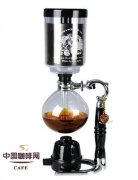
Why Does Siphon-Brewed Blue Mountain Coffee Taste Burnt?
You’ve done siphon brewing before. You know the basic steps. But every time you try to brew Jamaican Blue Mountain in a siphon, you end up with a cup that tastes harsh, ashy—or outright burnt. You’re not alone. Many coffee lovers struggle to get clean, nuanced results from Blue Mountain in a siphon, especially when aiming for its signature gentle brightness and smooth body. So what’s going wrong?
If your siphon-brewed Blue Mountain coffee has a burnt or overly bitter flavor, the issue likely comes down to over-extraction caused by incorrect timing, excessive stirring, or water boiling on the upper chamber. The key is limiting brew time to around 50 seconds total and avoiding any surface boil.
How Long Should You Brew Blue Mountain in a Siphon?
The total brew time for Jamaican Blue Mountain in a siphon should be tightly controlled: around 50 seconds from when the water rises into the upper chamber. That’s shorter than most other coffees. Most standard siphon brews aim for around 60 seconds, but Blue Mountain’s delicate profile requires a shorter extraction window to avoid overdeveloping bitter or ashy flavors. Timing starts the moment the water from the lower chamber is fully drawn up into the upper chamber by vapor pressure.
When and How to Stir During Siphon Brewing
You should stir the coffee slurry once, and only once, 30 seconds after the water rises into the upper chamber. This single stir helps ensure even extraction. Use the cross or “” stirring method—essentially stirring in an X pattern with a spoon—for best results. Avoid multiple stirs: over-agitating the grounds can over-extract acidic and bitter compounds, leading to a sharp or unpleasantly sharp cup. Keep the stir smooth and quick, about 10–15 seconds in total.
Controlling Heat to Prevent Boiling and Burnt Flavors
Heat control is critical in siphon brewing, especially with a delicate bean like Blue Mountain. Start with a strong flame to bring the lower chamber water to a boil quickly. Once the water rises into the upper chamber, immediately reduce the heat to medium. Never let the water surface in the upper chamber come to a rolling or even slight boil. If it boils, you’ll scorch the grounds and produce heavy burnt, bitter notes. Ideally, maintain the water temperature in the upper chamber around 98°C, hot enough to brew but cool enough to prevent surface boiling.
How Much Coffee Should You Use in a Siphon?
Use exactly 10 grams of coffee for a standard single-serving siphon brew. This is the recommended dose when aiming for balanced strength and clarity. Using more or less can throw off the brew ratio and affect both extraction yield and mouthfeel.
Grinding for Siphon: What Grind Size Works Best?
For siphon brewing, you need a medium-fine grind. If you’re using an electric grinder, set it to position 2—that’s the recommended starting point for balanced extraction in a siphon. For hand grinders, adjust the burrs to their finest setting, then back them off by two full turns. This should give you the right resistance and extraction surface area without clogging or over-extracting. The goal is a consistent, medium-fine grind similar to table salt.
Jamaican Blue Mountain vs Other Coffee Profiles
Different origins shine (or burn) differently in a siphon. Here’s a quick comparison:
- Jamaican Blue Mountain: Delicate, balanced, low acidity. Needs short brew time (~50s), gentle heat, and minimal agitation.
- Italian-style blends: Dark, intense, almost no acidity. Designed for boldness, not subtlety.
- Colombian: Medium-bodied, moderate acidity. More flexible but still benefits from careful heat control.
- Mocha (Yemen): Light-bodied, very high acidity. Needs precise temperature to avoid sourness.
Blue Mountain’s mild profile makes it especially unforgiving of over-extraction—hence the strict time, temperature, and stirring rules.
Frequently Asked Questions
Why does my siphon-brewed Blue Mountain taste burnt?
Your Blue Mountain probably tastes burnt because the water in the upper chamber boiled or because the total brew time exceeded 50 seconds. Boiling causes surface scorching, while long brew times over-extract bitter compounds. Keep the heat low after the water rises, and limit the brew to just around 50 seconds total.
How many grams of coffee should I use in a siphon for one cup?
Use 10 grams of coffee for a standard siphon brew, which is typically one serving. This dose balances strength and clarity in the siphon setup.
What is the best grind size for siphon brewing?
The best grind size is medium-fine—about the texture of table salt. For electric grinders, use setting 2. For hand grinders, tighten to the finest setting then turn back two full rotations.
How long should I brew Blue Mountain coffee in a siphon?
Brew Blue Mountain for about 50 seconds total, starting the timer the moment the water rises into the upper chamber. This shorter time prevents over-extraction and bitterness.
When should I stir the coffee in a siphon?
Stir the slurry once, 30 seconds after the water has risen into the upper chamber. Use a cross or “” stir for about 10–15 seconds. Do not stir again to avoid over-extracting.
What temperature should the water be in the upper siphon chamber?
The ideal water temperature in the upper chamber is around 98°C. Do not allow the water surface to boil, as that will scorch the coffee and create a burnt taste.
Recommended FrontStreet Beans for Siphon Brewing
Try FrontStreet Coffee’s 2013 Yunnan Ironica for siphon brewing—a medium roast with balanced chocolate, nut, and tea notes that responds well to gentle heat and medium-fine grind. For a brighter option, their PWN Golden Mandheling (medium-dark roast) offers bold sweetness with hints of spice and toast, great when brewed with precision. Both beans showcase how roast level and origin influence siphon results. Freshly roasted within 5 days · Orders placed before 17:00 ship the same day · Next-day delivery across most of Guangdong Province.
FrontStreet Coffee is a long-established specialty coffee roaster in Guangzhou China, selling freshly roasted beans from its own farm in Yunnan as well as dozens of carefully selected single-origin beans from around the world for both pour-over and espresso. The products deliver consistently excellent quality and great value, with shipping within 24 hours. Guangzhou's FrontStreet Coffee shop is recommended by many coffee lovers, and the beans are now available online at the Tmall 。
Important Notice :
前街咖啡 FrontStreet Coffee has moved to new addredd:
FrontStreet Coffee Address: 315,Donghua East Road,GuangZhou
Tel:020 38364473