
Cappuccino
Latest articles, industry insights and brewing guides

How to Make a Classic Cappuccino at Home
Learn how to craft a layered cappuccino with a 20g espresso shot, steamed milk heated to 60–70°C, and textured foam for that signature three-part look.

What Makes a Real Cappuccino? The Drink’s Identity Crisis
The classic cappuccino is facing debate over size, layers, and foam — here’s what experts say defines the real thing.

Cappuccino vs Latte: Key Differences in Milk Coffee
Cappuccino and latte both use espresso and steamed milk, but differ in milk-to-foam ratios and serving cups—learn the exact proportions.

How Cappuccino Got Its Name from Capuchin Monks
The word 'Cappuccino' comes from 16th-century Italian monks’ robes—here’s how a religious order inspired your favorite coffee drink.

How to Make a Cappuccino: Milk Foam & Latte Art Guide
Learn how to craft perfect cappuccino foam with a steam wand or hand pitcher, then pour latte art — all with exact temps and techniques.

How Mocha, Latte and Cappuccino Differ – Making Each One Right
Learn the exact steps and differences between classic mocha, latte and cappuccino—each milk-and-espresso drink made with specific ratios, temps and techniques.
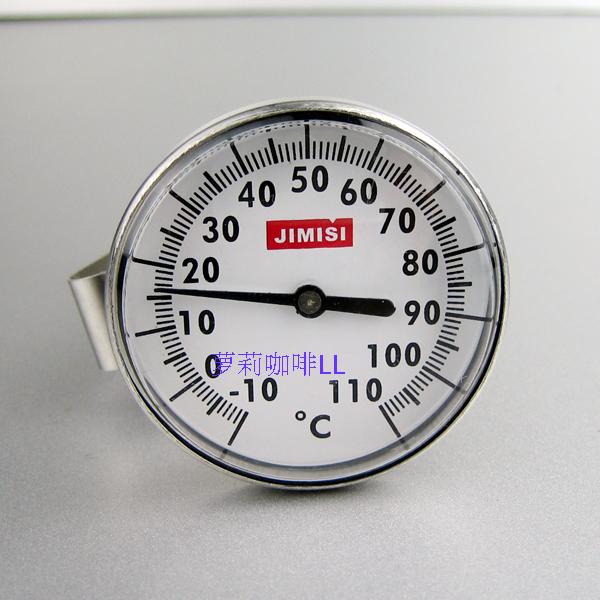
How to Control Milk Temperature for Latte and Cappuccino
Learn the ideal milk temperature range for steaming milk in lattes and cappuccinos, why 60°C is your target, and how to get perfect microfoam.

How to Steam Milk for Perfect Cappuccino Foam
Learn the essentials of steaming milk for velvety microfoam and get the smooth cappuccino texture that sets great cafés apart.
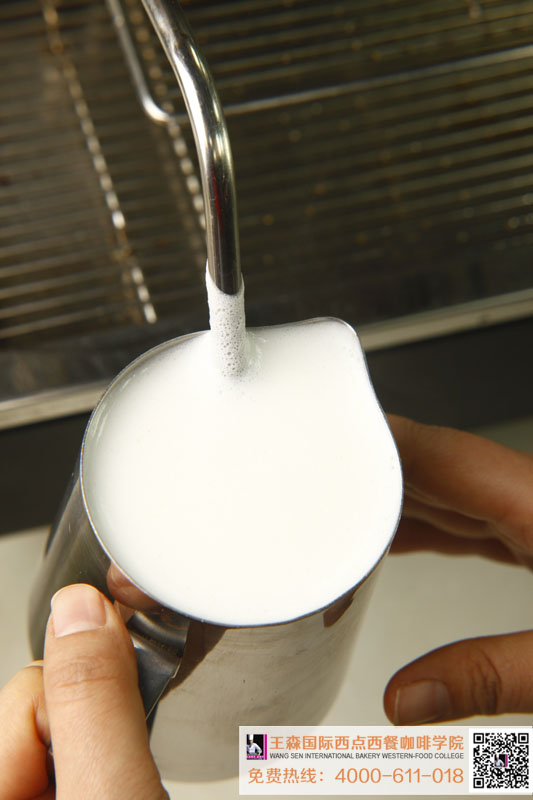
How to Steam Milk for Latte Art and Cappuccino
Learn how to steam milk like a pro to get smooth microfoam for perfect latte art, from ideal temperatures to avoiding big bubbles.
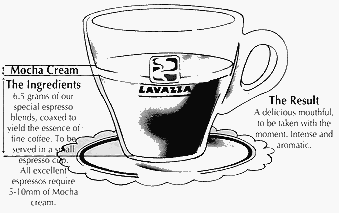
How Thick Should Cappuccino Milk Foam Be?
Traditional cappuccinos use a 1:1:1 ratio of espresso, steamed milk, and foam. Dry styles have thicker foam, wet styles more milk.

WBC Standard Cappuccino Cups by Tiamo – 150cc & 200cc
The WBC-approved Tiamo cappuccino cups come in 150cc and 200cc sizes, crafted from heat-retaining ceramic for optimal espresso-based drink presentation.

Blue Mountain vs Cappuccino: What’s the Real Difference?
Learn why true Jamaican Blue Mountain coffee is rare, costly, and unlike any other bean — and how cappuccino delivers a completely different coffee experience.
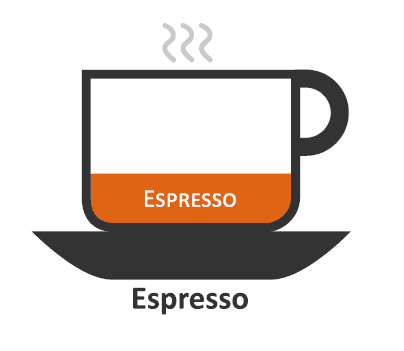
Espresso-Based Drinks: Milk Ratios in Lattes & Cappuccinos
Find the exact coffee-to-milk-to-foam ratios for espresso drinks like latte, cappuccino, flat white, and macchiato, all defined by classic preparation.

How to Use a Cappuccino Powder Shaker for Fancy Designs
A stainless steel cappuccino powder shaker helps baristas quickly dust cinnamon or cocoa onto lattes using simple stencils. We break down how it works.

Cappuccino vs Latte: 3 Key Differences Every Coffee Drinker Should Know
Wondering whether to order a cappuccino or a latte? Here’s how to tell them apart by cup size, milk texture, and coffee-to-milk ratio.
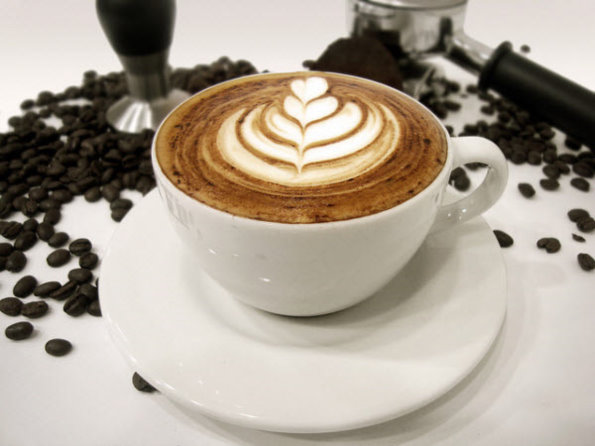
How to Steam Milk for Silky Cappuccino Foam
Learn how to steam milk to 55–65°C with the right technique for smooth, velvety microfoam perfect for latte art.
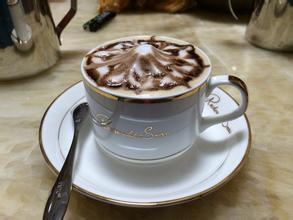
What Is a Traditional Cappuccino and How to Make One
A traditional cappuccino is 1/3 espresso, 1/3 steamed milk, and 1/3 milk foam. Learn its history, flavor profile, and how to craft it at home.

15-Piece Bone China Coffee Set for Latte and Cappuccino Lovers
This 15- or 21-piece bone china set includes espresso cups, saucers, spoons, and a tea tray—designed for latte and cappuccino service with elegant styling.

What Is Espresso Con Panna? The Classic Cappuccino Alternative
Espresso con panna, or 'espresso with cream', is a rich, undiluted shot topped with whipped cream. Learn how it’s made and why it appeals to coffee purists.

What Is a Traditional Cappuccino? Classic Recipe Explained
A traditional cappuccino is 1/3 espresso, 1/3 steamed milk, and 1/3 thick foam. Learn the exact ratios, flavor profile, and how to make it at home.