
Cappuccino
Latest articles, industry insights and brewing guides

Comparison of Cappuccino and latte espresso
Comparison of Cappuccino and latte Cappuccino: less milk (1:1 to milk); more foam (thicker than 1cm); dressed in a glass with a tray with paper towels on the bottom; country of origin Italy; the name is derived from the dress of the Gabrian monks Cappuccino. Latte: more milk (about 150~200ml); milk foam
Gas type coffee bean roaster Starbucks cappuccino method
Characteristics of three kilogram gas-fired coffee bean roaster: unique patented nozzle heating, stable combustion, complete combustion, fuel saving, coffee roaster firepower can be adjusted.
The coffee brewing process introduces what kind of cups lattes and cappuccinos use.
Understanding coffee culture is not just the need of fashion. Today, I will introduce you to some tips for drinking coffee. First, sugar and cream should be gently added to the service of drinking coffee, usually by placing the coffee cup on the table and then pouring in the coffee. If you want to add sugar, there are two kinds, one is cube sugar, first put the cube sugar on the spoon, and then gently put the spoon into the cup, so as to avoid adding cube sugar

Planting conditions of coffee trees what cups do lattes and cappuccinos use
However, not all the land located in this area can produce good coffee trees. The ideal planting conditions of coffee trees are as follows: the temperature is between 15 ℃ and 25 ℃, and the annual rainfall must reach 1500 mm to 2000 mm. At the same time, the rainfall time should be in line with the flowering cycle of coffee trees. Of course, in addition to the coordination of seasons and rainfall, there should be fat work.
Latte vs Cappuccino: Cups, Ingredients & Ratios Explained
Find out what cups to use for cappuccino and latte, the exact milk-to-espresso ratios, and how foam levels define each drink’s texture and taste.
Which Tastes Better: Latte, Mocha or Cappuccino?
We compare classic milk-based coffees like cappuccino, latte, and mocha, plus Irish, Vietnamese and Hong Kong-style yuanyang, with recipes and flavor profiles.

What Makes a Great Cappuccino: Foam, Milk & Technique
The foam—not just the milk—defines a great cappuccino. Use skim milk, steam it with a proper frother, and serve in a pre-warmed cup.
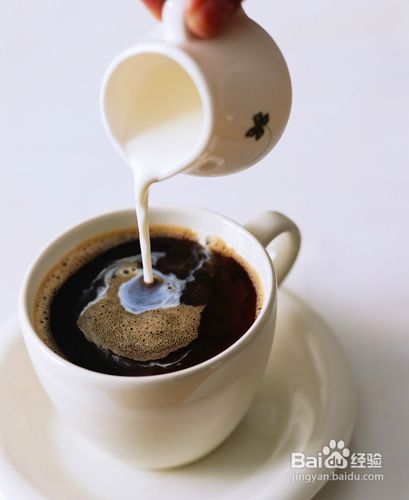
Common Coffee Recipes: From Nordic to Cappuccino
Learn how to make 5 classic coffee drinks including Nordic coffee, espresso, latte, cappuccino, and cream coffee with exact ingredients and steps.
What Makes a Great Cappuccino? The Truth About Milk Foam
The foam—not the milk—defines a good cappuccino. Find out why thick, velvety microfoam matters more than you think.
Does Cappuccino Really Fight Fatigue?
Yes, thanks to caffeine. A standard cappuccino provides enough caffeine to boost alertness, especially when made with 20g of espresso coffee.
How to Make Layered Iced Cappuccino with Coffee Straws
Learn how to layer iced cappuccino with milk foam and coffee, plus how coffee straw design aids in layered drinks.

What Makes a Proper Cappuccino? The Real Standards Explained
Discover what truly defines a cappuccino—size, layers, foam height—and why experts still debate its modern form.
What’s the Difference Between Common Coffee Drinks Like Mocha and Cappuccino?
Explore the key traits of mocha, cappuccino, macchiato, Irish, royal, and green tea coffee — from chocolate ratios to milk textures.
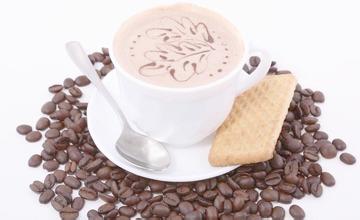
How Italian-Style Latte Differs from Cappuccino and Macchiato
Learn how traditional Italian latte, American latte, and espresso macchiato differ in milk ratios, temperatures, and preparation methods.
Latte vs Cappuccino: Coffee Ratios and Differences Explained
Learn the exact milk, espresso and foam ratios that define latte, cappuccino and café au lait, plus coffee etiquette and common mistakes.

How to Make Different Coffee Drinks: Latte, Cappuccino & More
Learn the exact ratios and methods for making classic coffee drinks like latte, cappuccino, mocha, and more, plus info on single-origin coffees.

Latte vs Cappuccino: What’s the Real Difference?
Latte has more milk and thinner foam than cappuccino—learn the exact ratios, textures, and why these two coffee drinks taste so different.

How to Make a Cappuccino with Perfect Milk Foam
Learn how to steam milk to 60–70°C, texture it into microfoam, and pour a classic cappuccino with a thick cap using a steam wand or milk pitcher.

Espresso, Cappuccino & Coffee Styles Explained
Learn the ratios, brewing methods, and origin traits of classic coffee drinks like espresso, cappuccino, latte, mocha, and specialty origins like Jamaican Blue Mountain.

Cappuccino vs Wet Cappuccino: What’s the Difference?
Learn the difference between a classic cappuccino and a wet cappuccino, including milk foam ratios and flavor profiles for each style.