
Cappuccino
Latest articles, industry insights and brewing guides
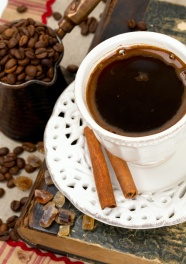
What Are the Different Types of Coffee? From Cappuccino to Blue Mountain
Explore 7 classic coffee styles including cappuccino, espresso, latte, mocha, and Jamaica Blue Mountain, with ratios, origins, and flavor profiles.

Latte vs Mocha vs Cappuccino: How They Differ
Learn the differences between latte, mocha, cappuccino, and other milk-based coffees like macchiato and European-style café au lait.
How the Cappuccino Was Invented in Early 20th-Century Italy
Learn who invented the cappuccino and how its signature milk foam and espresso balance was created in early 20th-century Italy.

How to Make a Perfect Cappuccino: Two Classic Methods
Learn two widely used methods for making cappuccino—traditional and modern—with moka pot or espresso machine, milk steaming, and latte art.

Cappuccino vs Latte: What’s the Real Difference?
Learn the exact milk-to-espresso ratios and serving styles that distinguish cappuccinos from lattes, plus how mochas and traditions differ.

Latte vs Mocha vs Cappuccino: What’s Really Different?
Find out how latte, mocha, and cappuccino differ in espresso, milk, and chocolate ratios, texture, and flavor profile.

Mocha, Latte, and Cappuccino: What’s the Difference?
Learn the exact ratios, ingredients, and serving styles that set mocha, latte, and cappuccino apart in specialty coffee. Clear, factual, and no fluff.

Cappuccino, Latte, and Mocha: What’s the Real Difference?
All three drinks mix espresso and milk—but ratios, textures, and flavor profiles differ. Here’s how cappuccino, latte, and mocha truly compare.

Cappuccino vs Latte: What’s the Real Difference
The key difference is milk and foam ratio: cappuccino uses equal parts espresso, steamed milk, and foam (1:1:1), while latte uses more milk (1:2:1).

Cappuccino vs Latte Latte Art: What’s the Difference?
Cappuccinos can't be free-poured with latte art due to thick foam, but lattes can — here’s why and how baristas create each.

How to Make a Traditional Cappuccino at Home
Learn the exact ratios and steps for a classic cappuccino: 1/3 espresso, 1/3 steamed milk, and 1/3 foam, with a dusting of cinnamon.
How to Choose Coffee Beans for a Great Cappuccino
Learn what makes a good coffee bean for cappuccino and how to buy the best beans with expert advice on freshness, roast, and origin.
Delonghi ESAM6600: Stainless Steel Super-Automatic with Cappuccino Patent
The De'Longhi ESAM6600 is a stainless-steel super-automatic espresso machine with a patented automatic cappuccino system, priced at ¥25,000.

Latte vs Cappuccino: Key Differences & Best Coffee Beans
Learn the differences between a latte and cappuccino, including milk ratios, foam styles, and ideal roast levels for each drink.

Latte vs Cappuccino: Why Is It Called a Latte?
Learn why it’s called a latte, how it differs from a cappuccino, and explore global variations like caramel, iced, and matcha lattes.

Latte vs Cappuccino: Key Differences in Milk Coffee Drinks
Learn how latte and cappuccino differ in milk ratio, foam thickness, and taste — with exact coffee-to-milk measurements for each.

How to Make a Classic Latte and Tell It Apart from Macchiato and Cappuccino
Learn the difference between Latte, Macchiato, and Cappuccino, and how to make classic Italian-style Latte and other global variations at home.
Cappuccino vs Latte: Key Differences in Espresso Drinks
Cappuccino has more foam and less milk than latte. Learn the exact ratios, origins, and serving styles of these two classic espresso drinks.
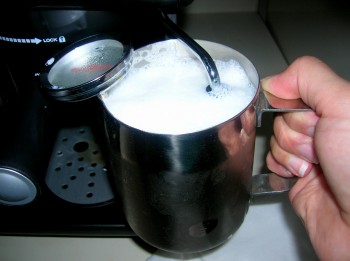
How to Steam Milk for Latte and Cappuccino
Learn how to steam milk properly for café-quality microfoam, with ideal temps, techniques, and fat content facts.
Espresso, Latte & Cappuccino: Ideal Cup Sizes Explained
Discover the ideal cup sizes for espresso, latte, and cappuccino—from 50ml espresso cups to 300ml+ milk drink vessels—with expert guidance on material, shape and sensory impact.