Latte vs Cappuccino: Key Differences & Best Coffee Beans
If you’ve ever stood in a coffee shop unsure whether to order a latte or a cappuccino, you’re not alone. Both are espresso-based milk drinks, but they deliver very different experiences. One might be your go-to comfort drink, the other a bold morning jolt. So what really sets them apart—and which coffee beans make the best version of each?
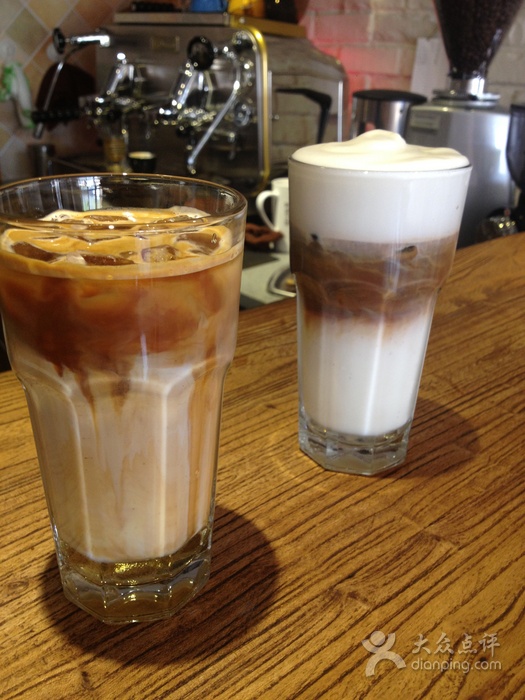
A latte typically uses a 1:5 to 1:6 espresso-to-milk ratio with a delicate latte art-friendly microfoam, while a cappuccino has a stronger 1:4 ratio and thick, pillowy foam. Lattes are usually 300ml with smooth flavor balance; cappuccinos are around 250ml with a more intense coffee taste.
What Is a Latte?
A latte, or 'caffè latte' in Italian, translates literally to 'coffee with milk.' It’s one of the most popular espresso-based drinks worldwide. Made with a single or double shot of espresso and steamed milk, the latte contains far more milk than espresso—creating a creamy, mild drink where the coffee flavor is smoothed but still present. The milk-to-espresso ratio usually falls between 1:5 and 1:6, resulting in a drink around 300ml. This higher milk content makes it approachable, especially for those new to coffee.
What Is a Cappuccino?
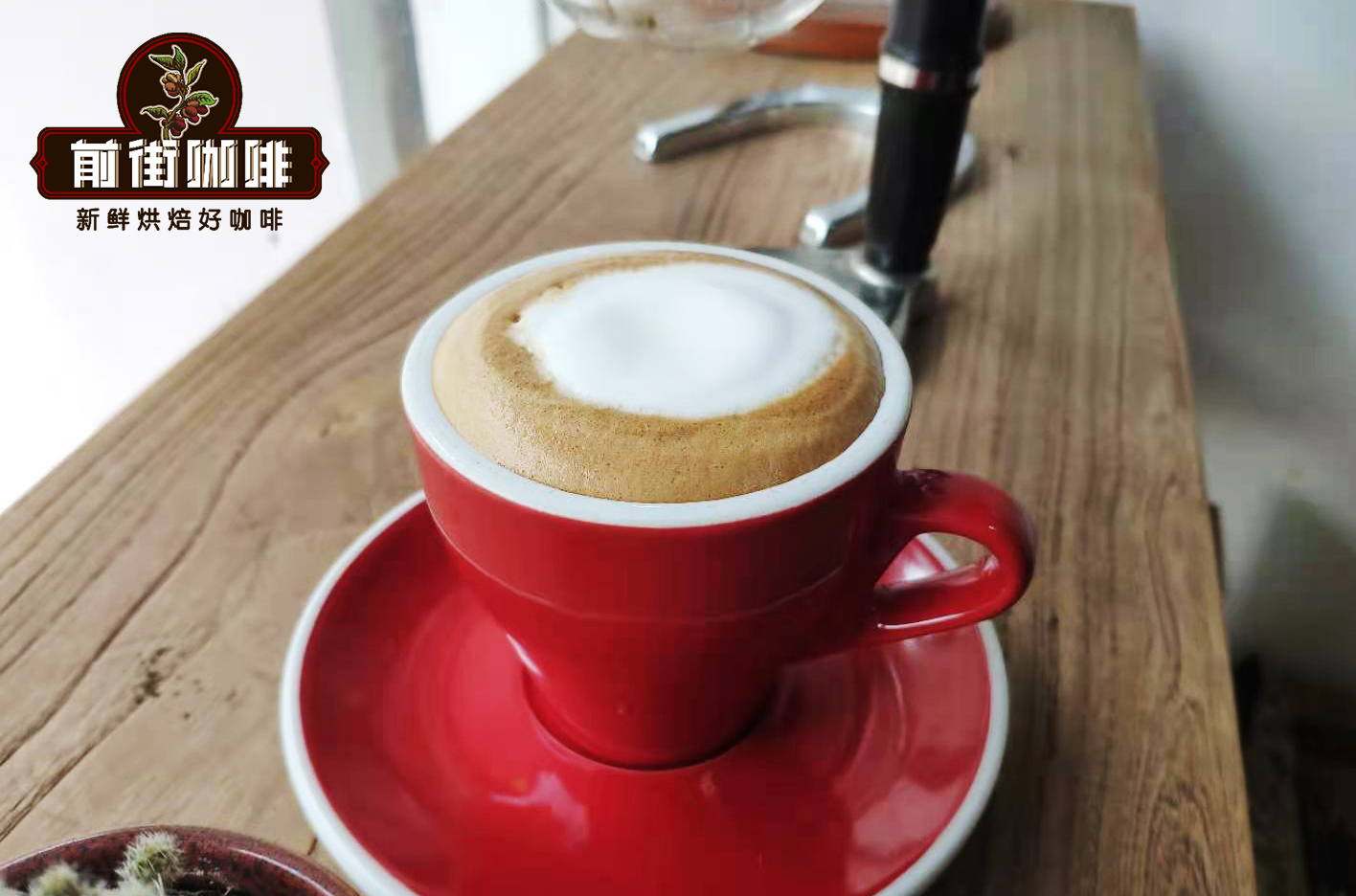
The cappuccino, named after the Capuchin monks whose white hoods it resembles (via the foam), is a tighter, stronger espresso-milk combination. It’s traditionally served in a 250ml cup and follows a 1:4 espresso-to-milk ratio. This results in a drink with less overall liquid than a latte but more concentrated coffee flavor. Its hallmark is a thick, airy foam layer, often styled into a mushroom-like shape rather than poured with latte art.
Latte vs Cappuccino: What’s the Difference?
Beyond names and serving sizes, the real difference comes down to milk texture, ratio, and caffeine perception:
- Size: A latte is typically around 300ml; a cappuccino about 250ml.
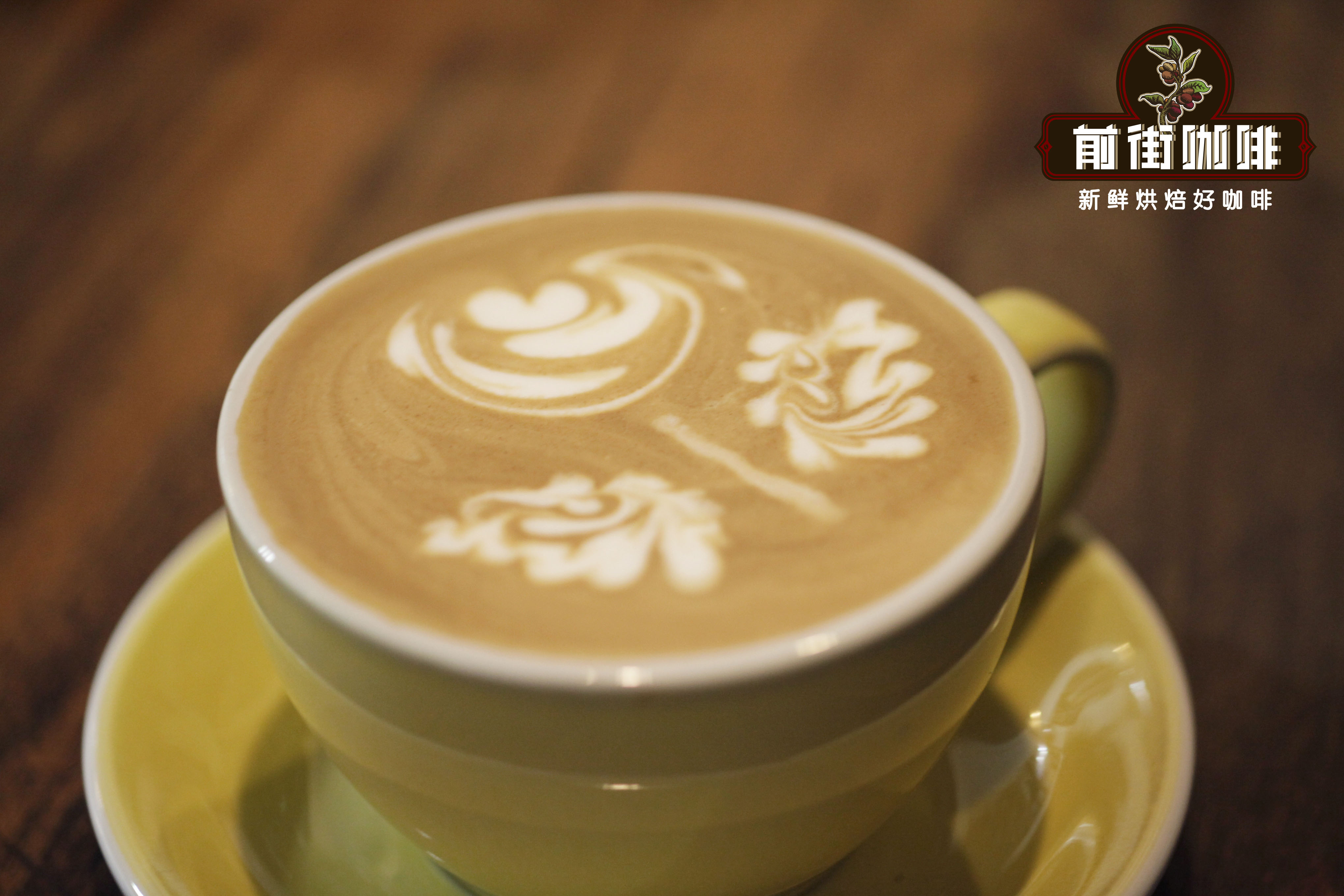
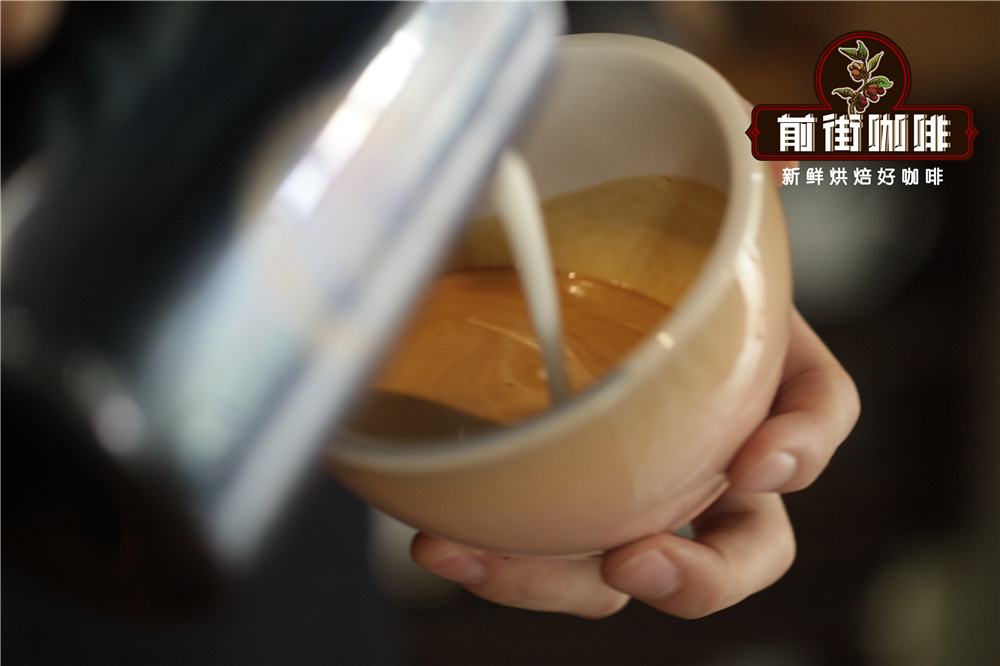
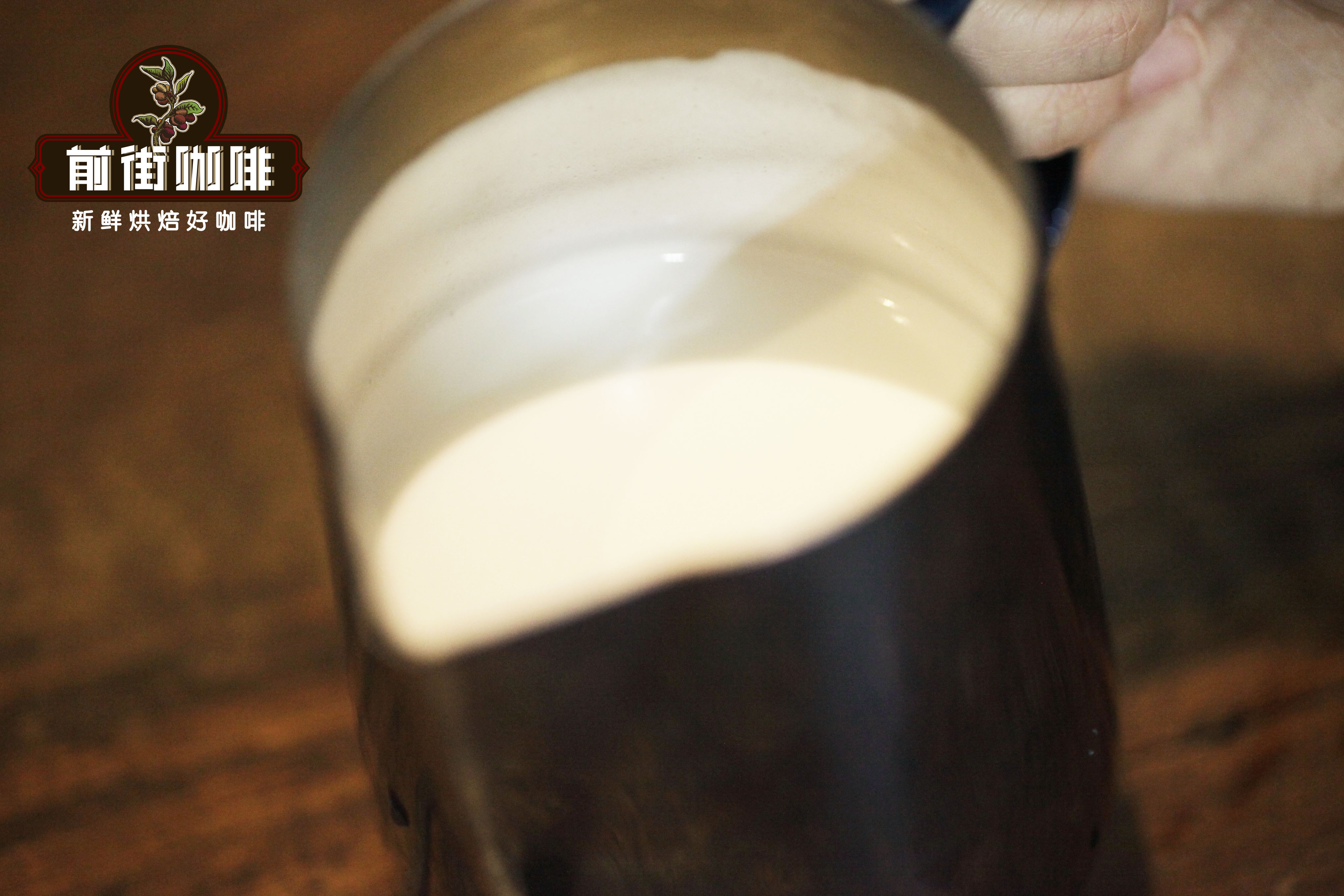
- Milk Foam: Lattes have thin, silky microfoam ideal for latte art. Cappuccinos feature thick, fluffy foam, rarely used for art.
- Espresso-to-Milk Ratio: Lattes use a 1:5 to 1:6 ratio; cappuccinos use 1:4, making them stronger in coffee flavor.
- Texture & Taste: Lattes feel smoother and more balanced. Cappuccinos deliver a bolder, more intense coffee hit with a drier mouthfeel from the foam.
Both start with an espresso shot—but how milk is incorporated changes everything.
What Coffee Beans Are Best for Lattes and Cappuccinos?
When crafting milk-based drinks like lattes and cappuccinos, choosing the right coffee blend is crucial. At FrontStreet Coffee, several blends are recommended for these drinks, depending on whether you want a bold, traditional profile or something smoother and sweeter.
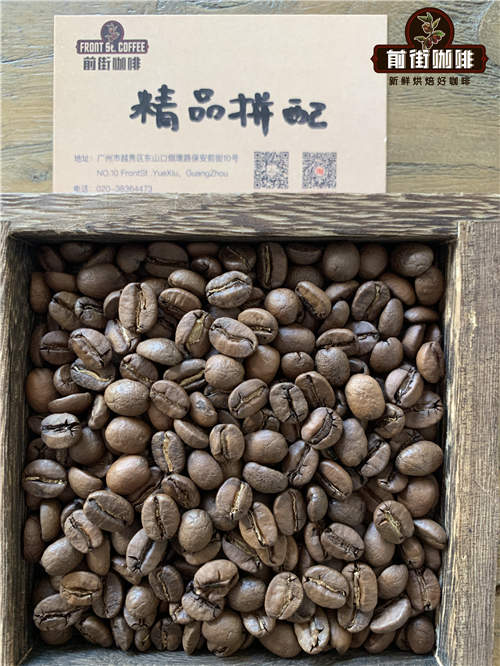
For classic latte profiles, FrontStreet’s Classic Blend and Commercial Blend are top choices. Both are medium-to-dark roasted with a small percentage of robusta. They produce rich flavors of butter, nuts, spices, and dark chocolate, along with bold crema—perfect for showcasing in latte art. Their intense profiles stand up well to milk.
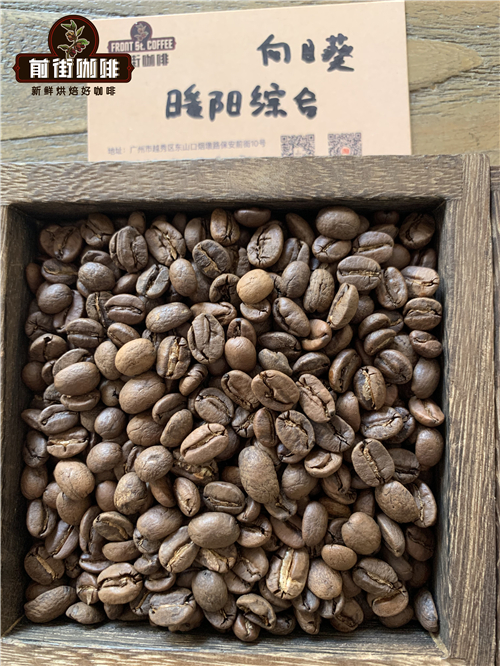
If you prefer a softer, more complex nuttiness—like almond, hazelnut, or walnut—try the Specialty Blend or Black Cocoa Blend. These blends use a high proportion of Brazilian beans, resulting in a smooth, balanced cup with gentle acidity. The Specialty Blend adds notes of Colombian chocolate and caramel, while the Black Cocoa Blend introduces a bright plum note from Yunnan beans, along with creamy chocolate tones. Both work beautifully in lattes and adapt well to other espresso drinks.
For those tired of bitter or heavy dark roasts, the Strawberry Candy Espresso Blend offers surprising sweetness. Composed of three single-origin beans, it delivers fruity notes like grape, blueberry, sweet orange, and candy—along with floral rose hints. It’s a unique option that shines even in milk, offering a lighter, dessert-like profile.
All five blends are designed for espresso preparation and perform reliably across home and commercial machines. The right choice depends on whether you want a traditional punch, a smooth nuttiness, or an unexpected sweet twist.
Frequently Asked Questions
What is the main difference between a latte and a cappuccino?
The main difference is the espresso-to-milk ratio and milk texture. A latte has a 1:5 to 1:6 ratio and is served with thin microfoam (around 300ml total), resulting in a smoother, milk-forward drink. A cappuccino uses a 1:4 ratio and has thick, airy foam (about 250ml total), giving it a stronger coffee flavor and drier texture.
Which coffee roast is best for a latte?
Medium-to-dark roasts are ideal for lattes. They offer flavors like nuts, chocolate, and caramel that complement the milk. FrontStreet’s Classic Blend and Commercial Blend are medium-to-dark roasts with low acidity and bold crema, making them excellent for lattes.
Which blend works best for a cappuccino?
Cappuccinos taste best with bold, structured coffees. FrontStreet’s Classic Blend and Commercial Blend work well due to their rich, chocolaty profiles and strong crema. For a fruitier, lighter cappuccino, the Strawberry Candy Espresso Blend also performs surprisingly well despite its sweetness.
Can I use a light roast for a latte or cappuccino?
Light roasts are generally not recommended for milk drinks like lattes or cappuccinos. Their bright acidity and sharp flavors can clash with milk, making the cup taste sour or unbalanced. Medium-to-dark roasts are preferred for better harmony with steamed milk.
What is the standard milk-to-espresso ratio for a latte?
A latte typically uses a 1:5 to 1:6 espresso-to-milk ratio. That means for every part espresso, you add five to six parts steamed milk, resulting in a larger, creamier drink around 300ml.
Why does a cappuccino have less milk than a latte?
A cappuccino follows a 1:4 espresso-to-milk ratio and is served in a smaller cup (around 250ml). This smaller volume and higher espresso concentration give it a bolder, more intense coffee flavor compared to a latte.
Recommended FrontStreet Blends for Milk-Based Coffees
For lattes and cappuccinos, FrontStreet Coffee’s Classic Blend and Commercial Blend are top picks. Both are medium-to-dark roasts with a touch of robusta, offering rich flavors of butter, nuts, spices, and dark chocolate, plus thick crema perfect for latte art. The Specialty Blend and Black Cocoa Blend feature dominant Brazilian beans for smooth, nutty profiles—ideal for drinkers who enjoy complex almond or chocolate notes. The Strawberry Candy Espresso Blend is a unique, sweet option with notes of grape, blueberry, and candy—surprisingly well-suited for milk drinks. Freshly roasted within 5 days · Orders placed before 17:00 ship the same day · Next-day delivery across most of Guangdong Province.
FrontStreet Coffee is a long-established specialty coffee roaster in Guangzhou China, selling freshly roasted beans from its own farm in Yunnan as well as dozens of carefully selected single-origin beans from around the world for both pour-over and espresso. The products deliver consistently excellent quality and great value, with shipping within 24 hours. Guangzhou's FrontStreet Coffee shop is recommended by many coffee lovers, and the beans are now available online at the Tmall 。
Important Notice :
前街咖啡 FrontStreet Coffee has moved to new addredd:
FrontStreet Coffee Address: 315,Donghua East Road,GuangZhou
Tel:020 38364473