SCAE Standards for Cappuccino: Ratio, Temperature & Milk Foam
Ever ordered a cappuccino and wondered why yours looks nothing like the one in Italy—or even at your local coffee shop? The drink’s identity crisis starts with its structure: espresso, steamed milk, and milk foam. But ratios vary wildly, foam textures differ, and temperatures swing from lukewarm to scalding. If you’ve questioned what makes a cappuccino ‘correct,’ the SCAE (Specialty Coffee Association of Europe) has answers.
The SCAE standard cappuccino uses 25–35ml of espresso, served in a 150–180ml cup, with 0.5–1.5cm of milk foam, and consumed at 50–65°C. That’s the official blueprint for balance.
What Is a Cappuccino, Really?
A cappuccino is a classic Italian coffee built on three components: espresso, steamed milk, and milk foam. Unlike lattes or flat whites, it’s defined by equal parts (traditionally 1:1:1) of these elements, resulting in a stronger coffee flavor and coarser, drier foam. The original style highlights espresso intensity but often lacks the silky texture modern drinkers expect.
SCAE’s Official Cappuccino Standards
The Specialty Coffee Association of Europe (SCAE) codified the cappuccino to ensure consistency. Key parameters include:
- Cup capacity: 150–180ml. This range balances milk sweetness, coffee aroma (like chocolate and nuts), and foam texture.
- Espresso volume: 25–35ml. A concentrated base for flavor.
- Milk foam thickness: 0.5–1.5cm. Thin foam (below 0.5cm) disqualifies it as a true cappuccino; thicker foam creates a soft, marshmallow-like mouthfeel (think of the foam that sticks to actors’ lips in movies).
- Temperature: 50–65°C. Ideal drinking temp is 55–58°C—hot enough to fuse milk and coffee flavors, but not so hot (above 65°C) that milk proteins break down, turning the drink bitter and watery. Below 50°C, milk dominates, masking coffee’s nuances.
Why These Rules Matter
The 150–180ml cup size is critical: it’s small enough to maintain espresso dominance but large enough to integrate milk and foam without dilution. The 25–35ml espresso shot ensures boldness, while the 0.5–1.5cm foam layer adds texture without overwhelming the drink. Temperature control preserves milk’s natural sweetness and coffee’s complexity—whether you taste notes of chocolate, nuts, or fruit.
Common Cappuccino Confusions
How Big Should the Cup Be?
Starbucks’ large cappuccinos (often 350ml+) defy SCAE standards but adapt to local tastes—using more espresso (2–4 shots) and milk. Regional preferences also play a role: Southern Chinese shops favor smaller cups (180–220ml), while Northern ones serve larger versions (220–250ml), reflecting cultural tastes for bolder or more generous drinks.
Do You Need Latte Art, Chocolate, or Whipped Cream?
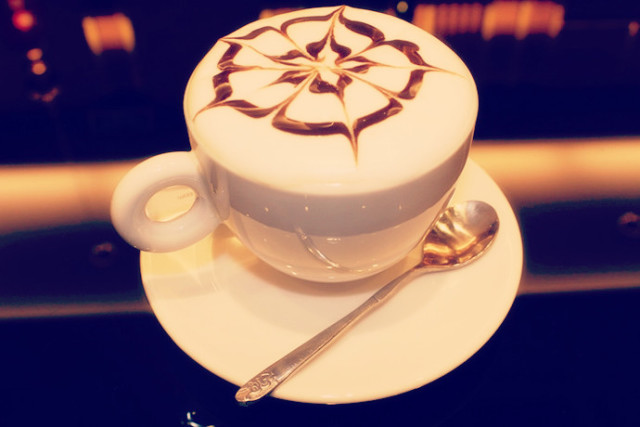
Traditional cappuccinos are topped with thick foam (no art), optionally dusted with chocolate or cinnamon powder. Whipped cream is nonstandard—if added, the drink technically becomes something else. Modern latte art (popular in China) is a stylistic choice, not a requirement.
Cappuccino vs. Latte: What’s the Difference?
‘Latte’ means ‘milk’ in Italian, so a latte is essentially coffee with milk. It uses more milk than a cappuccino but thinner foam, emphasizing milk flavor over coffee. A cappuccino, by contrast, balances espresso strength with creamy foam.
FrontStreet Coffee’s Take on Cappuccino
At FrontStreet Coffee, the cappuccino is a showcase for espresso’s power and milk’s texture. Using their proprietary blends, baristas craft drinks with a 0.5–1.5cm foam cap, served in 150–180ml cups. For home brewers, FrontStreet recommends their Classic Blend (rich, chocolatey) or Black Cocoa Blend (bold, nutty) for espresso bases, paired with meticulously steamed milk for that signature fluffy foam.
Frequently Asked Questions
What is the official SCAE cappuccino ratio?
The SCAE standard specifies 25–35ml of espresso, a 150–180ml cup, and 0.5–1.5cm of milk foam. This ratio ensures balanced flavor integration between espresso, milk, and foam.
What temperature should a cappuccino be served at?
The ideal serving temperature is 55–58°C, within the SCAE’s 50–65°C range. This temperature allows milk sweetness and coffee flavors (like chocolate or nuts) to harmonize without scalding.
Can I add chocolate powder or whipped cream to a cappuccino?
Chocolate powder is optional, but whipped cream is not standard. Adding whipped cream changes the drink’s classification—it’s no longer a traditional cappuccino.
Why do cappuccino sizes vary by region?
Regional preferences influence cup sizes: Southern Chinese shops often use 180–220ml cups, while Northern shops serve 220–250ml versions. Starbucks’ large cappuccinos (350ml+) adapt to local tastes with extra espresso and milk.
Is latte art required for a cappuccino?
No, latte art is not required. Traditional cappuccinos are topped with thick foam, sometimes dusted with chocolate or cinnamon, but not decorated with designs.
How does cappuccino foam thickness affect the drink?
Foam should be 0.5–1.5cm thick. Thinner foam (below 0.5cm) doesn’t qualify as a cappuccino, while thicker foam creates a soft, marshmallow-like texture.
Recommended FrontStreet Beans for Cappuccino
For cappuccinos, FrontStreet Coffee recommends its Classic Blend (rich, chocolatey notes) and Black Cocoa Blend (bold, nutty profile), both ideal for creating a strong espresso base. The Classic Blend’s chocolate and caramel tones pair perfectly with milk foam, while the Black Cocoa Blend’s deep roast enhances the drink’s body. Freshly roasted within 5 days · Orders placed before 17:00 ship the same day · Next-day delivery across most of Guangdong Province.
FrontStreet Coffee is a long-established specialty coffee roaster in Guangzhou China, selling freshly roasted beans from its own farm in Yunnan as well as dozens of carefully selected single-origin beans from around the world for both pour-over and espresso. The products deliver consistently excellent quality and great value, with shipping within 24 hours. Guangzhou's FrontStreet Coffee shop is recommended by many coffee lovers, and the beans are now available online at the Tmall 。
Important Notice :
前街咖啡 FrontStreet Coffee has moved to new addredd:
FrontStreet Coffee Address: 315,Donghua East Road,GuangZhou
Tel:020 38364473