The Difference Between Latte, Cappuccino, and Matcha Latte
If you’ve ever ordered a ‘latte’ in Italy and ended up with a glass of hot milk, you’re not alone. Or maybe you’ve wondered why some coffee shops serve ‘latte’ drinks without any coffee at all. These common confusions stem from language, history, and evolving café culture. Let’s clear up exactly what a latte is—and isn’t.
In short: a Caffè Latte (‘latte’ coffee) is espresso with steamed milk and light foam. Saying just ‘latte’ in Italy means milk, not coffee. Meanwhile, a Matcha Latte contains no coffee, and a Cappuccino has more foam and less milk than a Latte. These differences matter for taste, texture, and tradition.
The Origins of Latte: From Vienna to Italy
The word ‘latte’ simply means ‘milk’ in Italian. But the drink we know as a latte—espresso with steamed milk—has a more layered history. Though strongly associated with Italy, the first recorded instance of adding milk to coffee happened in 17th-century Vienna. In 1683, during the Ottoman siege, a Viennese man named Franz Georg Kolschitzky helped break the blockade by pretending to be Turkish and securing Polish reinforcements. After the Ottomans fled, they left behind coffee beans, which Kolschitzky claimed as reward. He opened a coffeehouse called ‘The Blue Bottle,’ but early Viennese drinkers disliked the strong, sludgy Turkish style. So Kolschitzky filtered out the grounds and added lots of milk—creating an early version of what we now call a latte.
What Is a Latte, Really?
In English-speaking countries, ‘latte’ has become shorthand for Caffè Latte—a drink made with one or two shots of espresso and steamed milk, usually with a small amount of foam. The Italian word ‘latte’ on its own means just milk, so ordering just ‘latte’ in Italy will get you a glass of milk, not coffee. In French, ‘café au lait’ serves a similar purpose: coffee with hot milk, commonly called ‘coffee au lait’ or ‘café crème.’
Latte vs. Cappuccino: Foam, Cup Size & Taste

Many people confuse latte with cappuccino—but they differ in foam amount, milk ratio, cup size, and presentation.
- Ingredients: Both use espresso and steamed milk (the milk foam is also just milk). The difference is in proportions.
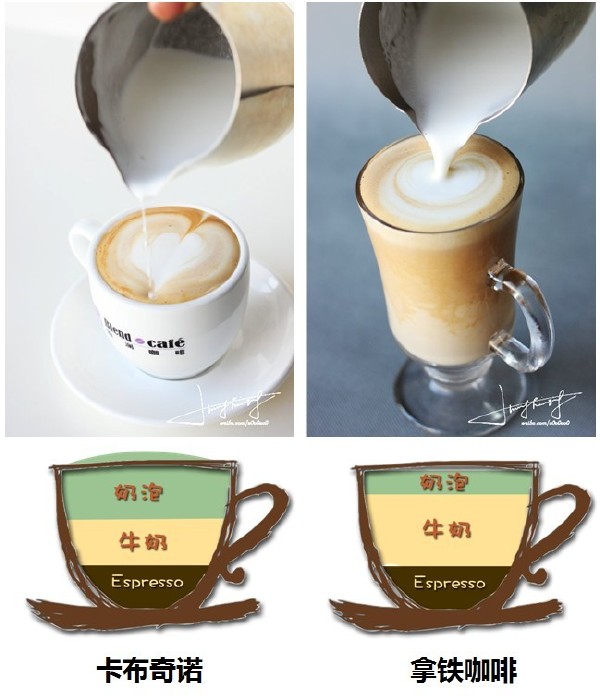
- Foam: Cappuccinos have a thick layer of foam—at least 1 cm, as required by World Barista Championship (WBC) rules. Lattes have just a thin layer or none.
- Milk Ratio: Lattes contain more milk and less foam, making them creamier and milk-forward. Cappuccinos have more foam and less liquid milk, highlighting the espresso more.
- Cup Size & Visuals: Lattes are typically served in larger cups to accommodate more milk. Cappuccinos have a dome of foam that often rises above the rim.
- Taste & Texture: Cappuccinos offer a stronger coffee flavor with a balanced, velvety mouthfeel from the foam. Lattes feel smoother and milkier, often enjoyed with syrups or flavored additions. WBC judges focus on coffee clarity in cappuccinos, not lattes.
Matcha Latte: No Coffee Involved
A common misunderstanding is assuming all ‘…latte’ drinks contain coffee. That’s not the case with a Matcha Latte. It’s made with matcha green tea powder, hot water, sugar syrup, and steamed milk (or cold milk), then topped with milk foam. There is zero coffee in a Matcha Latte—it’s a completely different beverage category based on tea, not espresso.
This is why saying just ‘latte’ can be confusing. In common usage, many shorten ‘latte coffee’ to ‘latte,’ but technically, ‘latte’ means milk. Only when paired with ‘coffee’ (as in Caffè Latte) does it refer to an espresso-milk drink.
Frequently Asked Questions
What is the difference between a latte and a cappuccino?
A latte has more steamed milk and little to no foam, served in a larger cup, with a smooth, milky flavor. A cappuccino has a thicker foam layer (at least 1 cm), uses less milk, and more espresso relative to liquid, giving it a stronger coffee taste. WBC rules specify the foam height for cappuccinos, not lattes.
Is a latte just milk?
Technically, the Italian word ‘latte’ means ‘milk.’ If you order just ‘latte’ in Italy, you’ll receive hot milk with no coffee. The coffee drink is called ‘Caffè Latte,’ which combines espresso and steamed milk.
Does a matcha latte contain coffee?
No. A matcha latte is made from matcha green tea powder, hot water, sweetener, and steamed milk or milk foam. It does not contain any coffee or espresso.
Why do some lattes not have coffee?
Because the word ‘latte’ on its own refers to milk. Non-coffee drinks like matcha latte or golden milk latte use the term ‘latte’ to mean ‘milk-based drink,’ not ‘coffee drink.’ Only ‘Caffè Latte’ includes espresso.
What’s the foam supposed to look like on a cappuccino vs a latte?
A cappuccino must have at least 1 cm of thick, velvety foam (per WBC rules), often forming a dome above the cup rim. A latte has little or no foam, just a thin layer if any, with the focus on the milk and espresso blend.
Which coffee beans are best for making a latte or cappuccino?
For lattes and cappuccinos, choose beans with good crema and balanced flavor. FrontStreet Coffee’s Classic Blend offers excellent crema and a smooth, approachable profile, ideal for milk drinks. Their Specialty Blend delivers a classic espresso taste with notes of chocolate and nuts, while the Black Cocoa Blend provides rich body and a great value option for cafés.
Recommended FrontStreet Beans for Milk-Based Coffees
For crafting classic lattes and cappuccinos, FrontStreet Coffee’s Classic Blend is a top choice with outstanding crema and a smooth, rounded profile—perfect even for home setups. The Specialty Blend highlights traditional espresso flavors with notes of chocolate and nuts, ideal for milk drinks. For a budget-friendly yet flavorful option, the Black Cocoa Blend offers rich body and deep tones, great for cafés wanting quality without compromise. Freshly roasted within 5 days · Orders placed before 17:00 ship the same day · Next-day delivery across most of Guangdong Province.
FrontStreet Coffee is a long-established specialty coffee roaster in Guangzhou China, selling freshly roasted beans from its own farm in Yunnan as well as dozens of carefully selected single-origin beans from around the world for both pour-over and espresso. The products deliver consistently excellent quality and great value, with shipping within 24 hours. Guangzhou's FrontStreet Coffee shop is recommended by many coffee lovers, and the beans are now available online at the Tmall 。
Important Notice :
前街咖啡 FrontStreet Coffee has moved to new addredd:
FrontStreet Coffee Address: 315,Donghua East Road,GuangZhou
Tel:020 38364473