Black Coffee vs White Coffee: What’s the Real Difference?
If you’ve ever wondered whether black coffee is stronger than white coffee, or why one looks darker than the other, you’re not alone. Many assume the difference is just color — but that’s a common misunderstanding. The truth involves roast style, processing methods, and flavor chemistry. Here’s what actually sets them apart.
In short: Black coffee is pure, unadulterated brewed coffee with no additives, often bold and bitter. White coffee is a lightly roasted, low-caffeine Malaysian-style brew with milder flavor, minimal bitterness, and less acidity — and it’s not actually white.
What Is Black Coffee?
Black coffee is coffee in its simplest form: just ground coffee and water, brewed without milk, sugar, or flavorings. It delivers the unfiltered taste and aroma of the beans themselves. When brewed well — such as with a home espresso machine or pour-over — the crema (if present) should be a uniform light brown, and the aroma is often described as rich, complex, and inviting.
The visual and sensory experience of black coffee is a big part of its appeal. For enthusiasts, the brewing process kicks off the experience: the smell alone is part of the pleasure. That aroma reflects numerous factors: coffee origin, altitude, processing method, bean variety (Arabica or Robusta), roast level, and storage conditions.
Flavor Profile of Black Coffee
Black coffee’s flavor includes bitterness, acidity, and sweetness — all interrelated. Bitterness is inherent, especially due to Maillard reactions and caramelization during roasting. The darker the roast, the more pronounced these bitter, sometimes burnt or ashy notes become. Acidity, when balanced, adds brightness and complexity. Sweetness often balances the bitterness in well-roasted, high-quality beans.
The crema (in espresso) or foam on top can also signal quality: fine, dense, and reddish-brown for Arabica-heavy brews; looser and darker with Robusta.
Health Claims Around Black Coffee
Traditionally, black coffee has been considered a “healthy” beverage. Potential benefits include:
- Improved mental alertness and concentration via caffeine stimulation
- Enhanced physical performance through muscle response
- Support for digestion via increased gastric acid
- Diuretic effects that may reduce bloating
- Antioxidant properties linked to anti-aging and cancer risk reduction
- Potential blood pressure and liver support
- Appetite suppression and metabolic effects that may aid weight management
However, poorly roasted black coffee — especially mass-market varieties that use high-heat carbon roasting and added caramel color or sugar — can taste harsh, burnt, or overly bitter. These roasts may cause stomach irritation or sleep disruption in sensitive individuals.
What Is White Coffee?
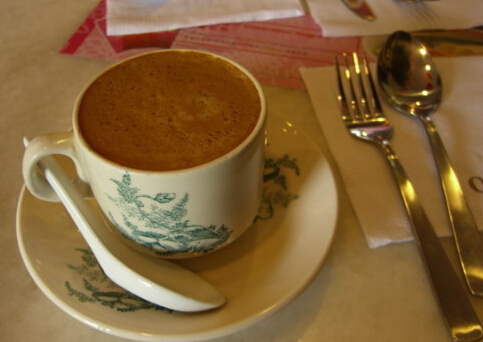
White coffee originates from Malaysia and is distinct from “white coffee” drinks that simply use milk. Despite the name, it isn’t white — it’s a light beige or pale golden color. The defining trait of white coffee is its unique roasting and processing method.
It’s made using a blend of top-grade Liberica, Arabica, and Robusta beans, along with premium de-fatted milk powder. The beans are roasted at a lower temperature (medium-light roast) for a longer time — around 2.5 times longer than standard high-heat roasting. This gentle process reduces bitterness, acidity, and caffeine content while preserving the coffee’s natural aroma.
Unlike many commercial black coffees, white coffee avoids additives like caramel, artificial butter, or excessive sugar. The result is a smoother, mellower cup that’s easier on the stomach and lower in intensity.
Key Traits of White Coffee
- Color: Light, creamy beige or pale gold (not actually white)
- Roast: Medium-light, low-temperature (long duration)
- Caffeine: Lower than standard black coffee
- Flavor: Mild, smooth, less acidic and bitter
- Processing: No added sugars or artificial enhancers
- Health Impact: Gentler on digestion, less likely to cause jitters or reflux
Why It’s Different from Black Coffee
The main difference isn’t color or milk — it’s the roasting method. White coffee is lightly roasted to reduce harsh compounds, whereas black coffee is often dark-roasted, which brings out strong, bitter, and smoky flavors. White coffee avoids the charred, acrid taste associated with high-heat carbon roasting.
Additionally, white coffee is typically marketed as a healthier, easier-drinking option suitable for a broader audience, including those avoiding acidity or caffeine sensitivity.
Black Coffee vs White Coffee: Side-by-Side
| Attribute | Black Coffee | White Coffee |
|---|---|---|
| Roast Level | Medium to Dark (high heat) | Light to Medium (low heat, longer time) |
| Color | Dark brown to black | Pale golden or light beige |
| Flavor | Bold, bitter, potentially acidic or sweet depending on roast | Mild, smooth, low acidity and bitterness |
| Caffeine Content | Higher | Lower |
| Additives | Often none (but can include sugar or syrup) | Usually none; may include de-fatted milk powder |
| Health Perception | Stimulating, may cause acidity or jitters | Gentler on stomach, less stimulating |
Frequently Asked Questions
Is white coffee actually white in color?
No, white coffee is not white. It’s a light golden or pale beige color, much lighter than traditional black coffee. The name “white coffee” refers to its processing method, not its appearance.
What makes white coffee different from regular black coffee?
White coffee is roasted at a lower temperature for a longer time, resulting in lower bitterness, less acidity, and reduced caffeine. It avoids heavy roasting and additives, leading to a smoother, mellower cup compared to the often bold and bitter profile of black coffee.
Does black coffee have more caffeine than white coffee?
Yes, generally speaking, black coffee (especially when made from dark-roasted beans) tends to have higher caffeine content per serving than white coffee, which is lightly roasted and sometimes uses bean blends that further reduce caffeine levels.
Is white coffee healthier than black coffee?
White coffee is often considered gentler on the stomach and less likely to cause acid reflux or jitters due to its lower roast temperature and reduced caffeine. However, both types can be part of a healthy diet when consumed in moderation.
What roast level is used for white coffee?
White coffee is typically medium-light roasted using a low-temperature, long-duration process — around 2.5 times longer than conventional high-heat roasting. This preserves more of the bean’s natural flavor and reduces bitterness.
Can I make white coffee at home?
White coffee is traditionally made with specific beans and a precise low-heat, long-time roast technique. While you can’t easily replicate the exact process at home, you can try lighter roasts and adjust brew strength to mimic a smoother profile.
Recommended FrontStreet Coffees for Exploring Black & White Profiles
For those curious about the contrast between black and white coffee styles, try FrontStreet Coffee’s Ethiopia Humbera — a bright, juicy Ethiopian single origin that highlights the fruity, acidic side of black coffee. For a gentler, smoother cup reminiscent of white coffee traits, the PWN Golden Mandheling offers low acidity with a full body and nutty sweetness, ideal for those who prefer a mellow brew. Both showcase how roast philosophy shapes flavor. Freshly roasted within 5 days · Orders placed before 17:00 ship the same day · Next-day delivery across most of Guangdong Province.
FrontStreet Coffee is a long-established specialty coffee roaster in Guangzhou China, selling freshly roasted beans from its own farm in Yunnan as well as dozens of carefully selected single-origin beans from around the world for both pour-over and espresso. The products deliver consistently excellent quality and great value, with shipping within 24 hours. Guangzhou's FrontStreet Coffee shop is recommended by many coffee lovers, and the beans are now available online at the Tmall 。
Important Notice :
前街咖啡 FrontStreet Coffee has moved to new addredd:
FrontStreet Coffee Address: 315,Donghua East Road,GuangZhou
Tel:020 38364473