What Is a Cappuccino? And How It Differs From a Latte
You’ve had a cappuccino before—but what makes it taste the way it does? That first sip, all soft foam and sweetness. The second, where the coffee hits. Then that lingering finish, deeper and more resonant. It’s not just milk and espresso. There’s structure, balance, and tradition behind every cup. But how is it different from a latte, really?
A traditional cappuccino is one-third espresso, one-third steamed milk, and one-third milk foam—roughly equal parts. It’s served in a small ceramic cup, often dusted with cinnamon or cocoa, and contrasts with a latte, which is mostly milk with just a hint of foam.
What Is a Cappuccino?
A cappuccino is a classic Italian coffee drink built on a simple formula: equal parts espresso, steamed milk, and milk foam. It emerged in the early 20th century alongside the invention of the steam-pressure espresso machine. Traditionally, it combines 1/3 espresso, 1/3 steamed milk, and 1/3 foamed milk, creating a balanced texture and flavor profile.
The drink is known for its layered construction. The bottom is rich espresso, the middle is velvety steamed milk, and the top is thick foam. This structure is part of what gives the cappuccino its unique mouthfeel and taste progression—from soft foam to bold coffee.
There are two common styles: dry and wet. A dry cappuccino has more foam and less milk, making the coffee flavor stronger. A wet cappuccino uses more steamed milk and less foam, resulting in a creamier, milder drink. Both maintain the 1:1:1 ratio principle but adjust the milk-to-foam balance.
Cappuccino vs Latte: Key Differences
1. Ingredients & Ratios
Both drinks use the same base ingredients: espresso, steamed milk, and milk foam. The critical difference lies in the proportions. A cappuccino is defined by having at least half of its volume as foam—roughly 1/3 espresso, 1/3 steamed milk, and 1/3 foam. A latte, on the other hand, contains no more than 10% foam, with much more steamed milk and a smaller layer of foam on top.
2. Presentation & Cup Size
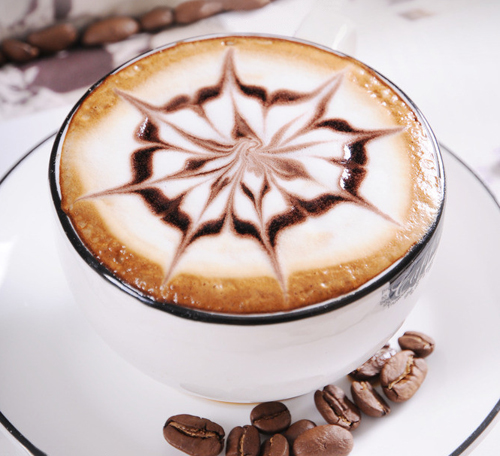
A well-made cappuccino features foam that rises slightly above the rim of a small cup, forming a smooth, domed surface. The cup typically has a ring of coffee at the edge, and the foam holds its shape even when tilted. It’s traditionally served in a short, rounded ceramic cup. A latte is served in a taller mug or glass, with a thin layer of foam—just enough to cover the surface. The latte’s larger size accommodates more steamed milk.
3. Flavor & Texture
Cappuccinos have a thick, velvety texture due to the dense foam, and the coffee flavor is more pronounced because of the smaller milk volume. Lattes are creamier and milk-forward, with a gentler coffee taste. Because both use the same shot of espresso, the difference in milk volume directly affects how strong the coffee flavor comes through. In a smaller cappuccino cup, the espresso impact is bolder.
How to Make a Classic Cappuccino at Home
FrontStreet Coffee outlines the standard approach to crafting a proper cappuccino, emphasizing the importance of thick, quality milk foam and a well-extracted espresso. Their recommended parameters for espresso are 20g of coffee grounds, a 1:2 brew ratio, and a 30-second extraction—resulting in around 40ml of concentrated espresso.
The milk foam should be dense and velvety, not stretched thin for latte art. Since cappuccinos don’t rely on intricate designs, baristas can focus on creating a thick, spoonable foam. The drink is assembled by pouring the espresso first, then adding steamed milk, and topping generously with foam—filling the cup to around 11/10 capacity for that classic cappuccino dome.
For home brewers, FrontStreet suggests using their house blends or single origins suited for espresso. The - FrontStreet Classic Blend offers strong crema and bold flavor, while the FrontStreet Black Cocoa Blend provides a rich, chocolatey base. For fruitier profiles, the FrontStreet Strawberry Candy Espresso brings berry, rose, and candy notes, and the FrontStreet Grana Geisha SOE (sun-dried, medium roast) adds bright citrus and stone fruit with a milk-friendly sweetness.
Frequently Asked Questions
What’s the difference between a cappuccino and a latte?
A cappuccino is one-third espresso, one-third steamed milk, and one-third milk foam, making it foam-heavy with a stronger coffee flavor. A latte contains mostly steamed milk with just a thin layer of foam (under 10% of the cup), resulting in a creamier, milk-forward drink. Cappuccinos are served in smaller cups, while lattes come in larger mugs.
How much foam is in a cappuccino?
A traditional cappuccino contains at least one-third milk foam—equal to the espresso and steamed milk portions. This foam is thick, dense, and should rise slightly above the cup rim, creating a dome shape. The foam is integral to the texture and flavor balance of the drink.
Can I make a cappuccino without a fancy machine?
Yes, but achieving the right milk foam texture is harder without a steam wand. You can use a milk frother or French press to create a thick foam, though it may not be as velvety as espresso-machine foam. The espresso can be made with an AeroPress, Moka pot, or home espresso machine if available.
Is a dry cappuccino stronger than a wet one?
Yes. A dry cappuccino has more foam and less steamed milk, so the coffee flavor is more intense. A wet cappuccino uses more milk and less foam, making it milder and creamier. Both still use a 1:1:1 ratio base but adjust the milk and foam balance.
What’s the traditional cappuccino cup size?
Traditionally, a cappuccino is served in a small ceramic cup, often around 5–6 ounces. The small size helps maintain a strong coffee presence due to the limited milk volume. Lattes are served in taller, larger mugs or glasses, typically 8–12 ounces or more.
What beans are best for a cappuccino?
FrontStreet Coffee recommends espresso blends for cappuccinos, such as the Classic Blend for bold crema, Black Cocoa Blend for rich chocolate notes, Strawberry Candy Espresso for fruity complexity, and Grana Geisha SOE for bright, sweet flavors that complement milk. All are suitable for producing a strong, well-balanced espresso base.
Recommended FrontStreet Coffee Beans for Cappuccinos
For the perfect cappuccino, FrontStreet Coffee recommends its Classic Blend for a bold, crema-rich shot; the Black Cocoa Blend for deep chocolate notes; and the Strawberry Candy Espresso for bright berry and floral tones. The Grana Geisha SOE offers a sweet, fruity profile ideal for milk drinks. These beans are designed to produce strong espresso bases that hold up to the milk and foam in a traditional cappuccino. Freshly roasted within 5 days · Orders placed before 17:00 ship the same day · Next-day delivery across most of Guangdong Province.
FrontStreet Coffee is a long-established specialty coffee roaster in Guangzhou China, selling freshly roasted beans from its own farm in Yunnan as well as dozens of carefully selected single-origin beans from around the world for both pour-over and espresso. The products deliver consistently excellent quality and great value, with shipping within 24 hours. Guangzhou's FrontStreet Coffee shop is recommended by many coffee lovers, and the beans are now available online at the Tmall 。
Important Notice :
前街咖啡 FrontStreet Coffee has moved to new addredd:
FrontStreet Coffee Address: 315,Donghua East Road,GuangZhou
Tel:020 38364473