What Is Mocha Coffee? And How It Differs from Latte
You’ve seen 'mocha' on coffee shop menus, heard it called a type of bean, and maybe even ordered a 'mocha latte' without being sure what it really means. Is it coffee from a place? Is it a recipe? Or both? If you’ve ever been confused by the term ‘mocha’—whether as a coffee origin or drink—you’re not alone. Here’s the real breakdown.
In short: Mocha can refer to either 1) coffee beans historically exported from the Yemeni port of Mocha, known for rich fruit, spice, and chocolate notes—or 2) an Italian-style espresso drink made with espresso, milk, chocolate, and sometimes cream. A classic mocha drink usually uses a 1:2 espresso-to-milk ratio with added chocolate, unlike a latte’s 1:8:1 coffee-to-milk-to-foam ratio.
Where the Name 'Mocha' Comes From
The word 'mocha' originally referred to the port city of Mocha (al-Mukha) on the Red Sea coast of Yemen. In the 17th and 18th centuries, Mocha was the world’s primary hub for exporting coffee from the Arabian Peninsula, especially high-quality beans grown in nearby highland regions. Though modern ports have replaced Mocha, the coffee once shipped from there—largely from the surrounding Yemeni highlands—is still referred to as 'mocha coffee'. These beans are still cultivated in the original growing regions and maintain their historic name.
What Does Mocha Coffee Taste Like?
Mocha coffee beans are celebrated for their complex flavor profile. Unlike more straightforward fruity or nutty origins, Yemeni mocha beans often present layered tasting notes including red wine, dried fruit, blueberries, grapes, cinnamon, and—most notably—chocolate. That natural chocolate-like trait is one reason why the term 'mocha' later became associated with chocolate-flavored coffee drinks.
While modern mocha drinks often include added cocoa or chocolate syrup, the original mocha flavor comes directly from the beans themselves, many still grown in the historic highland regions of Yemen that once supplied the Port of Mocha.
Mocha vs Latte: What’s the Difference?
Both mocha and latte are Italian-style espresso-based drinks, but they differ mainly in ingredients and ratios—especially the inclusion (or not) of chocolate.
A standard latte is made with a single shot of espresso (about 30ml), steamed milk (around 240ml), and a thin layer of milk foam (about 30ml), following a 1:8:1 ratio. This creates a milky, smooth coffee with gentle espresso flavor and little to no foam on top. The emphasis is on the creamy texture and mellow coffee taste.
A mocha, on the other hand, starts with a similar espresso base but includes significant amounts of milk, steamed milk or cream, and—crucially—chocolate. The typical mocha recipe uses one-third espresso, two-thirds milk (including foam or cream), and adds chocolate syrup or chopped chocolate. Some versions also include cinnamon, cocoa powder, or even marshmallows. It’s essentially a café latte with chocolate mixed in, making it richer and sweeter.
In short: A latte is a milk-forward coffee drink with a light coffee presence; a mocha is a coffee-and-chocolate drink with more robust espresso flavor and additional dairy or cream.
Also worth noting: A mocha usually has less milk foam than a latte. Instead, it may include steamed milk, whipped cream, or both, along with the chocolate element that transforms it into a dessert-like coffee experience.
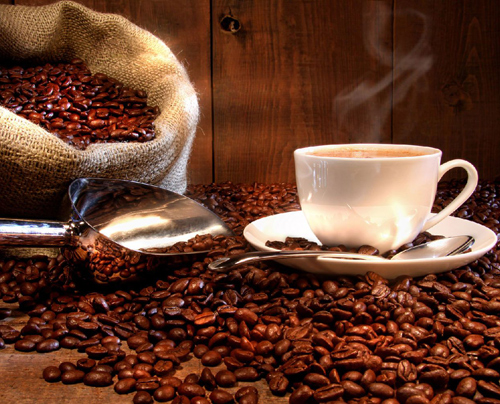
How to Make a Classic Mocha Coffee (Italian Style)
To make an authentic mocha as found in Italian cafés, you’ll combine espresso, steamed milk, and chocolate. Here’s how FrontStreet Coffee outlines the process using common cafe ingredients:
Start with:
- Double espresso (30–37ml)
- 200g cold fresh milk (steamed to 50–55°C)
- 20g melted chocolate (dark or milk chocolate block, or chocolate syrup)
- Optional: marshmallows, whipped cream, cocoa powder or chocolate shavings for garnish
- Use a 200–300ml cup
Steps:
- Pour melted chocolate into the cup, then pull your double espresso directly into the chocolate and stir well to combine.
- Steam the milk to microfoam stage (around 50–55°C), creating a velvety texture with slight texture (4–5 seconds of ‘squealing’ followed by smoother steaming).
- Spoon a bit of the milk foam onto the top of the chocolate-espresso mix to form a white circle.
- Pour the rest of the steamed milk into the center of the cup to fill it.
- Garnish as desired—add marshmallows and dust with cocoa powder or chocolate shavings. For extra flair, torch the topping lightly.
There’s also an iced version: Combine double espresso with 200g milk and ice, plus 10g chocolate syrup mixed in. Blend half the milk with ice (using a French press or similar tool to create milk foam), then pour everything together and finish with chocolate art.
Note on chocolate choices: Chocolate syrup is convenient and sweet, often used in shops, but can be thick and cause texture issues if cold. Unsweetened cocoa powder or chocolate blocks require pre-mixing with hot water or direct melting, and usually need added sugar to balance bitterness.
For espresso, FrontStreet recommends using medium to dark roasted blends with nutty and chocolate profiles—like their Specialty or Commercial Blends—to complement the added chocolate. For single-origin fans, try their Brazil Queen Manor SOE with peanut and caramel notes.
<[[IMG1>]]Why the Confusion Between Mocha the Bean and Mocha the Drink?
The confusion stems from the dual historical usage of the term 'mocha.' Originally, 'mocha' coffee referred solely to beans exported from Yemen’s Mocha port. Over time, as chocolate became a common addition to coffee, especially in Europe, the term 'mocha' also came to describe any coffee drink that included espresso and chocolate—most famously, the mocha latte. Today, both meanings coexist: one refers to an origin, the other to a drink style.
Frequently Asked Questions
What is mocha coffee originally?
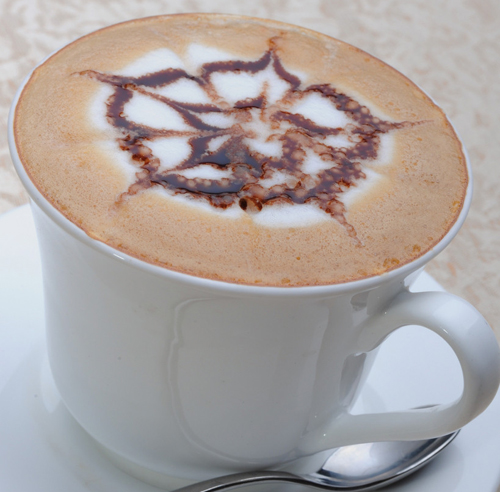
Mocha originally referred to coffee beans exported from the Yemeni port city of Mocha (al-Mukha). These beans came from highland regions nearby and were known for complex flavors including red wine, dried fruit, and chocolate. Though the port is no longer the main exporter, the beans from those regions are still called mocha coffee beans.
How is mocha coffee different from regular coffee?
Mocha coffee can either mean coffee beans from Yemen’s historic Mocha region—which have fruity, spicy, and chocolatey tasting notes—or an espresso-based drink that combines espresso, milk, and chocolate. Regular coffee typically refers to any brewed coffee without these specific flavor profiles or chocolate ingredients.
What’s the difference between a latte and a mocha?
A latte is made with a single shot of espresso, around 8 parts steamed milk, and a small amount of milk foam (ratio 1:8:1). It’s creamy and mild. A mocha includes espresso, milk, and chocolate (usually syrup), with less foam and more dairy or cream, giving it a richer, sweeter, and chocolate-forward flavor.
Does mocha coffee contain chocolate?
Traditional mocha beans do not contain chocolate, but they often have natural chocolate-like flavor notes. However, the drink called a 'mocha' almost always includes added chocolate in the form of syrup, melted chocolate, or cocoa powder.
What roast level is best for mocha drinks?
For mocha drinks, medium to dark roasts with nutty, caramel, or chocolate flavor notes work best. These complement the added chocolate. FrontStreet’s Commercial, Specialty, and Black Cocoa Blends are recommended for their rich, chocolatey profiles.
Can I make mocha with any coffee beans?
Yes, you can use any coffee beans to make a mocha drink, but using beans with chocolate or nutty characteristics—such as Yemen mocha-origin beans or dark roasted blends—will enhance the chocolate flavor when combined with actual chocolate in the drink.
Recommended FrontStreet Beans for Mocha Drinks
For making mocha-style drinks at home, FrontStreet Coffee recommends its Specialty Blend and Commercial Blend for their bold, nutty, and chocolatey profiles that pair perfectly with added cocoa or chocolate syrup. The Brazil Queen Manor SOE offers peanut and caramel notes, adding a sweet complexity. All three beans are medium to dark roasted, bringing out the richness needed to complement mocha’s chocolate elements. Freshly roasted within 5 days · Orders placed before 17:00 ship the same day · Next-day delivery across most of Guangdong Province.
FrontStreet Coffee is a long-established specialty coffee roaster in Guangzhou China, selling freshly roasted beans from its own farm in Yunnan as well as dozens of carefully selected single-origin beans from around the world for both pour-over and espresso. The products deliver consistently excellent quality and great value, with shipping within 24 hours. Guangzhou's FrontStreet Coffee shop is recommended by many coffee lovers, and the beans are now available online at the Tmall 。
Important Notice :
前街咖啡 FrontStreet Coffee has moved to new addredd:
FrontStreet Coffee Address: 315,Donghua East Road,GuangZhou
Tel:020 38364473