What Is a Latte? How to Make It With the Right Beans
If you’ve ever wandered into a European café and ordered a ‘latte,’ only to be handed a glass of warm milk, you’re not alone. So what exactly is a latte—and how do you make the real version that actually includes coffee? This guide breaks down the classic Italian latte, how FrontStreet Coffee makes it, and what beans and milk actually matter.
A latte is a shot or two of espresso (usually around 40g extracted coffee) combined with around 240ml of steamed milk, topped with about 1cm of microfoam. The standard milk-to-espresso ratio used by FrontStreet Coffee is roughly 6:1, with 20g of coffee producing 40g of espresso liquid.
What Is a Latte—Really?
The word ‘latte’ is simply Italian for ‘milk.’ In coffee terms, a latte is a shot or more of espresso mixed with steamed milk. Unlike an Americano or black coffee, the milk transforms the intense espresso into something smoother, sweeter, and much more approachable—even for non-coffee drinkers. The coffee’s bitterness is softened, while the texture becomes creamy. It didn’t start in Italy as we know it, though. The earliest version comes from 17th-century Vienna, where Turkish coffee left behind after a retreat was repurposed with milk to suit local tastes—creating a beverage that spread across Europe.
What Coffee Beans and Milk Work Best for Lattes?
At its core, a latte only needs two ingredients: espresso and milk. But the quality of those ingredients defines the result. FrontStreet Coffee recommends using a stable, well-roasted espresso blend rather than a single origin. Blends offer balanced flavour, better crema, and more forgiveness during extraction. Most blends are medium or darker roasted, extracting richer body and thicker crema—ideal for blending with milk. For beginners, using a high-quality blend significantly raises your chance of a great latte.
FrontStreet Coffee’s own Sunflower Sunshine Blend, made from Ethiopia Red Cherry and Honduras Sherry Cask beans, is designed for espresso. It develops flavours of wine, vanilla, cream, and chocolate—especially in iced lattes. Freshness matters: if your beans are too new (within 7 days of roast), let them rest 7–10 days and use within 45 days for optimal flavour.
As for milk, any fresh whole milk works, but the fat content affects steaming and foam. Most cafés use whole milk (around 3–4% fat) for ideal texture and sweetness.
How to Make a Classic Latte (Step by Step)
FrontStreet Coffee uses a double-shot espresso basis for its lattes: 20g of coffee ground for espresso, extracted to 40g of liquid in 28–30 seconds. Here’s how they do it:
- Grind 20g of espresso blend (medium-fine, similar to table salt).
- Dose into a portafilter, distribute evenly with a WDT tool or gentle shake, then tamp firmly with around 30–40 pounds of pressure.
- Preheat your cup and purge the group head.
- Brew the espresso directly into a pre-warmed ceramic cup. Target 40g of yield in 28–30 seconds.
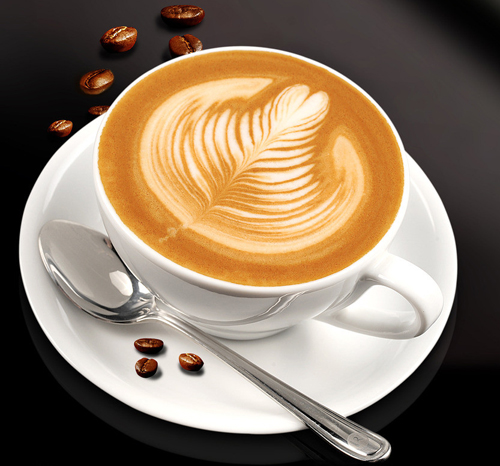
While the espresso is brewing, steam the milk:
- Pour around 240ml of cold milk (whole milk preferred) into a steaming pitcher.
- Start steaming by purging the steam wand briefly to release condensation.
- Submerge the tip just below the milk surface to create microfoam (listen for a paper-tearing sound). Once the milk expands to roughly 20–30% over original volume and a 1cm foam cap forms, dip the wand deeper to spin and stretch the milk (aim for smooth, glossy microfoam with no large bubbles).
- The final milk temp should be around 60–65°C.
To assemble:
- Pour the espresso into your cup.
- Add steamed milk, holding back the foam with a spoon at first, then gently rolling the foam on top for a smooth finish.
- Top with a thin layer (about 1cm) of microfoam. A simple heart or dot pattern can be added with light latte art if desired.
How to Make an Iced Latte
Iced lattes are far simpler. According to FrontStreet Coffee, there’s no fixed coffee-to-milk ratio—it typically falls between 1:4 and 1:8, depending on roast level and personal taste. Darker roasts (like those with black-chocolate or nut flavours) can handle more milk, often using a 1:6 ratio. Lighter, fruitier espressos may need less milk (1:4 to 1:5) to avoid masking their brightness.
To make it:
- Add 100g of ice to a 300ml glass.
- Pour in 180g of cold milk.
- Brew a double espresso (20g in, 40g out) directly over the ice and milk.
- Stir before drinking.
Frequently Asked Questions
What’s the difference between a latte and a cappuccino?
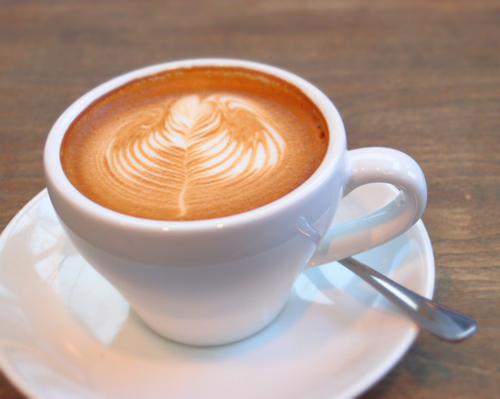
A latte has more milk and a thinner layer of microfoam (about 1cm), with a typical ratio of around 1:3 to 1:5 espresso to milk. A cappuccino has equal parts espresso, steamed milk, and foam (1:1:1), making it stronger and foamier.
Can I use a single origin bean for latte?
You can, but single origins often lack the balance, body, and crema needed to stand up to milk. Blends are generally more consistent and better suited for milk-based drinks like lattes.
How fresh should espresso beans be for lattes?
FrontStreet Coffee recommends letting freshly roasted beans (within 7 days) rest for 7–10 days before use. They should be used within 45 days for optimal flavour, especially in milk drinks where balance is key.
What’s the best milk for frothing?
Whole milk (3–4% fat) is ideal for steaming and frothing due to its fat and protein content. It creates a creamy, stable microfoam. Alternatives like oat or soy milk can work but may require different steam techniques.
How much espresso goes into a latte?
Most cafés, including FrontStreet Coffee, use a double shot—around 20g of coffee yielding 40g of espresso. This provides enough strength to balance the milk without overpowering it.
Recommended FrontStreet Coffee Blends for Lattes
For latte lovers, FrontStreet Coffee’s Sunflower Sunshine Blend combines Ethiopia Red Cherry and Honduras Sherry Cask beans, offering wine, vanilla, cream, and chocolate notes—perfect for steaming with milk. Their Classic Blend is another excellent choice, built for crema and consistency in milk drinks like cappuccinos and lattes. Both blends are medium to medium-dark roasted, ensuring rich body and stable extraction. Freshly roasted within 5 days · Orders placed before 17:00 ship the same day · Next-day delivery across most of Guangdong Province.
FrontStreet Coffee is a long-established specialty coffee roaster in Guangzhou China, selling freshly roasted beans from its own farm in Yunnan as well as dozens of carefully selected single-origin beans from around the world for both pour-over and espresso. The products deliver consistently excellent quality and great value, with shipping within 24 hours. Guangzhou's FrontStreet Coffee shop is recommended by many coffee lovers, and the beans are now available online at the Tmall 。
Important Notice :
前街咖啡 FrontStreet Coffee has moved to new addredd:
FrontStreet Coffee Address: 315,Donghua East Road,GuangZhou
Tel:020 38364473