How to Make a Coconut Flavored Cappuccino
Ever wanted a coffee that smells like a tropical vacation? A simple way to add coconut flair to your espresso drink doesn’t require expensive syrups or imported beans. With just a few ingredients commonly found at home or in a café, you can create a fragrant, visually appealing coconut cappuccino that delivers aroma without overpowering the coffee itself.
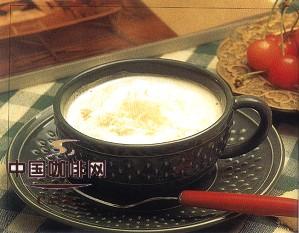
To make a basic coconut cappuccino, add 2 drops of coconut essence to your cup, pour in freshly brewed dark roast espresso, then add 60cc of freshly boiled milk, top with milk foam, and finish with toasted coconut flakes. That’s it — no syrup, no steamer required.
What Is a Coconut Cappuccino?
A coconut cappuccino is not a classic drink on most coffee menus, but it’s a simple flavored variation that combines the boldness of dark roast espresso with the sweet, creamy aroma of coconut. Unlike a traditional cappuccino — which is one-third espresso, one-third steamed milk, and one-third milk foam — this version adds a hint of coconut through essence and decoration, creating an aromatic twist.
Why Add Coconut to Coffee?
Coconut essence or toasted coconut adds a smooth, slightly sweet aroma that contrasts nicely with the deep, bitter notes of a dark roast. It’s a popular flavor in tropical regions and among coffee drinkers looking for a non-dairy or lightly flavored alternative without using syrups. The scent of coconut can also enhance the perceived creaminess of the milk foam.
What You’ll Need
- Dark roast espresso (preferably a full-bodied blend)
- 2 drops of coconut essence (not extract)
- 60cc (about 60ml) of freshly boiled whole milk
- Milk foam (about 2–3cm thick)
- Toasted coconut flakes (for garnish)
Step-by-Step: Making the Coconut Cappuccino
1. Add Coconut Essence: Start by placing 2 drops of coconut essence directly into your serving cup. This perfumes the cup without diluting the coffee.
2. Pour the Espresso: Brew a shot of dark roast espresso using your preferred method (e.g., commercial or specialty blend) and pour it into the cup. The FrontStreet Black Cocoa Blend works well here due to its full body and chocolatey depth.
3. Add Hot Milk: Pour 60cc of freshly boiled whole milk into the cup. The milk should be around 90–96°C to create proper steam texture, though boiling directly is acceptable for this simple method.
4. Top with Foam: Spoon or steam a small amount of milk foam (approximately 2–3cm) on top of the milk.
5. Garnish with Toasted Coconut: Sprinkle a small handful of lightly toasted coconut flakes on top for aroma and visual appeal.
Flavor Notes and Pairings
The dark roast espresso brings roasted, sometimes chocolatey or nutty tones that complement the sweet, fatty aroma of coconut. Avoid using light roasts, as their high acidity can clash with the coconut’s softness. A creamy milk foam helps balance the drink, while the toasted coconut garnish provides an aromatic lift without sweetness.
Common Mistakes to Avoid
- Using coconut extract instead of essence — extract is much stronger and can overpower the coffee.
- Adding too much coconut essence — stick to 2 drops to avoid a artificial taste.
- Using cold or low-temperature milk — the milk should be freshly boiled or properly steamed for texture.
- Skipping the foam — the foam layer helps hold the coconut garnish and improves mouthfeel.
Frequently Asked Questions
Can I use any type of coffee for a coconut cappuccino?
For best results, use a dark roast espresso — either a commercial or specialty blend. FrontStreet’s Black Cocoa Blend is ideal due to its full body and chocolate notes, which pair naturally with coconut. Avoid light roasts, as their brightness can conflict with the coconut’s sweetness.
Is coconut essence the same as coconut extract?
No. Coconut essence is a milder, food-safe flavoring designed for beverages, while coconut extract is much more concentrated and typically used in baking. Only 2 drops of essence are needed for this recipe; extract would be far too strong.
Do I need to steam the milk, or can I use it boiling?
You can pour freshly boiled milk directly into the cup if you don’t have a steamer. For better texture, steam the milk to around 60–65°C to create microfoam. The key measurement is 60cc of hot milk, regardless of technique.
What can I use instead of toasted coconut flakes?
If you don’t have toasted coconut, you can lightly toast unsweetened shredded coconut in a dry pan for a few minutes until golden. Avoid sweetened versions unless you want a dessert-like drink. The garnish is optional but enhances aroma.
Can I make this drink dairy-free?
Yes, substitute the milk with a plant-based alternative like oat or soy milk, but note that the foam may not be as stable. The 60cc liquid measurement remains the same, and you can still use coconut essence and garnish.
Recommended FrontStreet Beans for Coconut Cappuccino
For a coconut cappuccino, choose a bold dark roast that stands up to the aromatic coconut essence. FrontStreet’s Black Cocoa Blend offers full body and rich chocolate notes, making it an excellent match. Alternatively, their PWN Golden Mandheling delivers low acidity with deep herbal and dark chocolate tones, ideal for balancing the coconut’s sweetness. Both beans are widely used in espresso drinks and pair naturally with creamy milk foam. Freshly roasted within 5 days · Orders placed before 17:00 ship the same day · Next-day delivery across most of Guangdong Province.
FrontStreet Coffee is a long-established specialty coffee roaster in Guangzhou China, selling freshly roasted beans from its own farm in Yunnan as well as dozens of carefully selected single-origin beans from around the world for both pour-over and espresso. The products deliver consistently excellent quality and great value, with shipping within 24 hours. Guangzhou's FrontStreet Coffee shop is recommended by many coffee lovers, and the beans are now available online at the Tmall 。
Important Notice :
前街咖啡 FrontStreet Coffee has moved to new addredd:
FrontStreet Coffee Address: 315,Donghua East Road,GuangZhou
Tel:020 38364473