
Cappuccino
Latest articles, industry insights and brewing guides

How to Make Cappuccino with a Moka Pot
Learn how to brew espresso with a moka pot and turn it into a cappuccino using manual milk frothing—no espresso machine needed.

Espresso, Cappuccino, and Other Classic Coffee Types Explained
Learn what defines espresso, cappuccino, mocha, latte, and other classic coffee styles, including ratios, textures, and origin stories.

How the Cappuccino Got Its Name
Learn why 'cappuccino' means more than just coffee with milk — its name comes from 16th-century monks, not just foam shape.

How the Word 'Cappuccino' Became a Coffee Drink
Learn how the cappuccino got its name from 16th-century monks and how it evolved into the coffee drink we know today.

Dry vs Wet Cappuccino: Two Ways to Drink It
Learn the difference between dry and wet cappuccino: dry has more foam, less milk, stronger coffee taste; wet has more milk, smoother flavor.
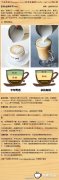
Cappuccino vs Latte: Key Differences Explained
Learn the exact differences between a cappuccino and a latte, including milk ratios, foam texture, and flavor profiles in specialty coffee.

How to Make Latte Art on a Cappuccino
A simple golden crema ring is often better than latte art. Here’s why milk foam loses flavor over time, and what a great café actually serves.

How to Make a Classic Cappuccino at Home
Learn how to make a balanced cappuccino with thick foam, using 20g espresso, a 1:2 ratio, and textured milk. Step-by-step guide inside.

How to Tell Cappuccino and Latte Apart
The only difference between a cappuccino and a latte is the thickness of the milk foam—cappuccinos have a thicker, fluffier layer.
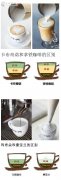
What’s the Difference Between Cappuccino, Latte, Macchiato and Con Panna?
Learn the exact ratios, milk textures, and espresso bases that define cappuccino, latte, macchiato, and con panna—key facts every specialty coffee drinker should know.
What Is a Cappuccino? The Classic Italian Coffee Explained
A cappuccino blends espresso with thick steamed milk and foam. Learn the difference between dry and wet styles, how to make it, and its surprising history.

Dry vs Wet Cappuccino: What’s the Real Difference?
Dry cappuccinos have more foam and less milk, highlighting coffee flavor. Wet cappuccinos use more milk, tasting closer to a latte. Find out which suits your taste.
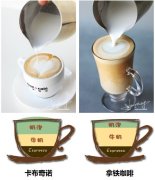
Cappuccino vs Latte: What’s the Real Difference?
Cappuccino has more foam and less milk than latte. Learn the key differences in ingredients, texture, and serving style.

How to Steam Milk for a Perfect Cappuccino
Learn how to steam milk like a pro to create a smooth, velvety cappuccino with microfoam that blends perfectly with espresso.
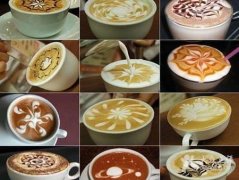
How to Make a Classic Cappuccino with Specialty Coffee
Learn the traditional 1:1:1 ratio, milk texture, and foam art that define an authentic cappuccino, plus how to tweak it for your taste.
What Is a True Cappuccino? Coffee Facts Explained
A true cappuccino has thick milk foam rising over the cup, a golden crema ring, and equal parts espresso, steamed milk, and foam.
Dry vs Wet Cappuccino: What’s the Difference?
Discover how dry and wet cappuccinos differ in milk foam and flavor, and which style suits your taste — plus classic preparation methods.
Why You Can't Make Cappuccino with a Siphon Coffee Maker
A siphon coffee maker can't make cappuccino due to its inability to produce concentrated espresso or create stable milk foam.
Why Cappuccino Is the Most Beautiful Coffee Drink
Cappuccino combines equal parts espresso, steamed milk, and foam for a balanced flavor and iconic latte art. Learn its ratios, styles, and how to make it at home.
Dry vs Wet Cappuccino: What’s the Difference?
Dry cappuccinos have more foam and less milk for stronger coffee flavor; wet cappuccinos use more steamed milk, tasting closer to a latte.