
Cappuccino
Latest articles, industry insights and brewing guides

How to Make a Classic Cappuccino with Perfect Milk Foam
Learn how to craft a balanced cappuccino with equal parts espresso, steamed milk, and foam for a rich, velvety texture and bold flavor.
How the Cappuccino Got Its Name – and What Makes It a Cappuccino
Learn why cappuccino shares its name with monks and monkeys, and how the classic 1:1:1 espresso, milk, and foam formula took shape.
Popular Coffee Drinks Explained: Latte, Cappuccino & More
Learn the key differences between classic coffee drinks like latte, cappuccino, and Viennese coffee, including ratios, preparation, and milk types used.
Cappuccino vs Latte: Key Differences Explained
Learn the clear differences between cappuccino and latte—milk ratios, foam textures, and flavor profiles that set these two classic espresso drinks apart.
Why Latte Art Hurts Cappuccino Flavor
Latte art on cappuccinos can dull milk foam flavor. A simple golden crema ring is often better—and a sign of a skilled café.
What Is a Cappuccino? Classic Italian Espresso Drink Explained
A cappuccino is a 1:1:1 espresso, steamed milk, and milk foam drink, typically 150–180ml total. Learn the ratios, textures, and serving standards.

Dry vs Wet Cappuccino: What’s the Difference in Milk and Foam?
Dry cappuccinos have more foam and less milk, tasting stronger in coffee flavor. Wet versions have more steamed milk, making them creamier and milder.
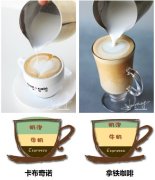
Cappuccino vs Latte: What Really Sets Them Apart
Cappuccinos have more foam and less milk than lattes. Learn the key differences in ratio, texture, cup size, and how each showcases espresso.

Cappuccino vs Latte vs Macchiato vs Affogato: What’s the Difference?
Learn the key differences between cappuccino, latte, macchiato, and affogato—ratio, milk texture, and serving style explained clearly.
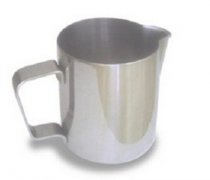
How to Steam Milk for Perfect Cappuccino Foam
Learn how to steam milk like a pro to get silky microfoam for smooth, café-quality cappuccinos every time.
How to Steam Milk for Authentic Cappuccino
Learn how to steam milk like a pro to create smooth, velvety cappuccinos with perfect microfoam—no big bubbles, just café-quality texture.

How to Make the Perfect Cappuccino at Home
A classic cappuccino is 1/3 espresso, 1/3 steamed milk, and 1/3 foam. Learn the ratios, textures, and techniques to craft one like a pro.
What Makes a True Cappuccino? The Real Standards
A true cappuccino features a thick, domed milk foam, at least one third of the cup, and a golden crema ring. Here’s how it really should look and taste.
Cappuccino vs Latte: What’s the Real Difference?
The only real difference between a cappuccino and a latte is the thickness of the milk foam—cappuccinos have much thicker foam, typically around 2 cm.
Why Milk Foam Quality Matters in Cappuccino
A great cappuccino depends on smooth, velvety microfoam—not big bubbles. Learn how steam pressure, milk fat, and temperature control create perfect texture.
How to Make Perfect Milk Foam for Cappuccino
Learn the key steps to crafting smooth, velvety milk foam for cappuccinos, including proper aeration, texture control, and ideal temperature.
The Origins and Brewing Method of Cappuccino Coffee
Learn where cappuccino got its name, the difference between dry and wet styles, and how to make one with thick foam at home.
How to Make a Coconut Cappuccino at Home
A simple 4-step recipe for a coconut cappuccino using dark roast coffee, steamed milk, and toasted coconut flakes.
How to Make a Cappuccino at Home Using a Moka Pot
Learn to make a traditional cappuccino at home with a moka pot and manual milk frother. Step-by-step guide with tool list and process details.
How to Make Home Barista-Style Cappuccino and Latte
Learn how to make classic espresso-based drinks like cappuccino and latte at home with a semi-auto machine or Moka pot setup.