How to Make a Classic Cappuccino at Home
Ever wonder why your homemade cappuccino doesn’t taste like the ones you love at specialty coffee shops? That perfect harmony of bold espresso, velvety milk, and pillowy foam seems elusive—but it’s all about technique. The secret lies not just in the ingredients, but in getting the proportions, texture, and pouring order exactly right.
To make a classic cappuccino, you need a 30ml shot of espresso, steamed milk to fill 80% of the cup, and thick microfoam to bring the total liquid to around 240ml. That 1:8 coffee-to-milk ratio and a minimum of 1cm of foam on top define the drink’s signature structure.
What Is a Cappuccino?
The cappuccino originated in early 20th-century Italy, developed alongside the first steam-powered espresso machines. Its name comes from the Capuchin monks, as the color of the drink—dark espresso with a light-colored milk foam—resembles their brown robes and white hoods. Traditionally, a cappuccino consists of a single shot of espresso (about 30ml), steamed milk, and a thick layer of milk foam, served in a pre-warmed 150–180ml cup.
Dry vs Wet: What’s the Difference?
Cappuccinos come in two common styles: dry and wet. A dry cappuccino has more foam and less steamed milk, resulting in a stronger espresso flavor. It's ideal for those who prefer a bold, intense coffee taste. A wet cappuccino, on the other hand, contains more steamed milk and less foam, making the drink creamier and milder—closer in strength to a latte. Wet cappuccinos suit those who prefer a smoother, less intense coffee experience.
The Science Behind the Perfect Cappuccino
A great cappuccino relies on three elements: quality espresso, properly textured milk, and well-integrated foam. The espresso should be rich, with a strong crema and balanced flavor. Milk is steamed to around 60–65°C, creating microfoam that’s smooth and glossy—not large bubbles. The foam must be thick enough to hold shape, usually at least 1cm thick, and is spooned on last to form a distinct layer. The result is a drink where each sip delivers a progression of textures and flavors: creamy milk, bold espresso, and airy foam.
How to Make a Cappuccino at Home (Step-by-Step)
Follow these steps from FrontStreet Coffee to craft a balanced cappuccino using standard home equipment:
- Espresso: Use 20g of freshly ground coffee. Extract with a 1:2 brew ratio (40ml of espresso) over 30 seconds. A finer grind and consistent tamp help achieve a rich, balanced shot with a good crema.
- Milk Steaming: Pour cold milk (around 4–5°C) into a steaming pitcher. Steam until the volume increases and the temperature reaches 60–65°C. Aim for a smooth microfoam with fine, velvety bubbles—avoid big, frothy bubbles.
- Cup Preparation: Preheat your cappuccino cup to maintain temperature. A standard serving is 150–180ml.
- Pouring Order: Start by pouring about 50% full (around 20ml) of espresso into the cup. Steam milk to yield roughly 160–190ml total liquid, with at least 1cm of foam on top. Pour the steamed milk slowly into the center of the espresso, allowing the foam to rise naturally. Fill the cup to about 80% with milk, then spoon or gently spread the foam on top to complete the drink.
- Garnish (optional): Add a light dusting of cinnamon powder or grated chocolate for extra aroma, if desired.
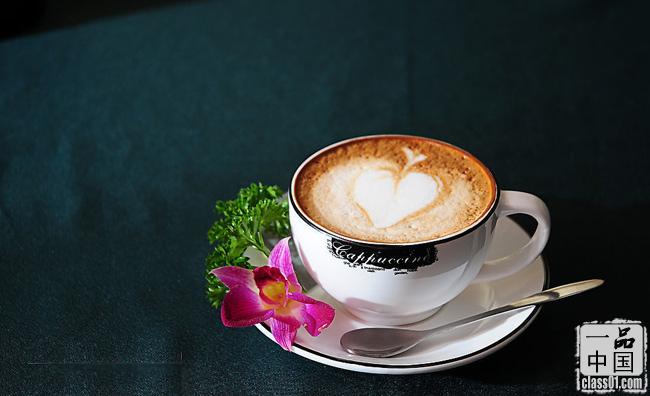
Beans That Work Best for Cappuccino
For cappuccinos, choose espresso roasts with medium to medium-dark profiles. Avoid extremely light or fruity beans, as their brightness can clash with the milk. A balanced, slightly sweet espresso brings out the best in the milk foam. FrontStreet Coffee recommends blends designed for espresso that produce a rich crema and velvety mouthfeel—ideal for cappuccinos.
Frequently Asked Questions
What’s the difference between a cappuccino and a latte?
A cappuccino has equal parts espresso, steamed milk, and foam (roughly 1/3 each), making it stronger and foamier. A latte has more steamed milk and only a small amount of foam, resulting in a creamier, milder drink. Lattes are usually served in larger cups with more milk overall.
How much foam should a cappuccino have?
A traditional cappuccino should have a thick layer of foam at least 1cm deep, sitting on top of the steamed milk and espresso. This foam is dense and microfoamy, not large or bubbly, and contributes to the drink’s texture and presentation.
Can I make a cappuccino without a machine?
Yes, but it’s challenging. You can use a Moka pot or AeroPress to make espresso-like coffee, and heat milk on the stove while whisking vigorously to create some foam. However, you won’t get true microfoam or steam texture without an espresso machine and steam wand.
What coffee beans are best for cappuccino?
Medium to medium-dark roast espresso beans work best. Look for blends with balanced acidity, medium body, and good crema potential. Avoid overly fruity or light roasts, as they may not complement the milk well.
What’s the ideal coffee-to-milk ratio in a cappuccino?
The classic ratio is 1/3 espresso (around 30ml), 1/3 steamed milk (around 90–120ml), and 1/3 milk foam (around 30–50ml), totaling about 150–180ml. That means a 1:8 to 1:10 brew-to-total ratio when including foam.
Why is my cappuccino not creamy?
If your cappuccino lacks creaminess, the milk may not have been steamed properly. Ensure the milk is heated to 60–65°C with fine, velvety microfoam. Avoid overheating or creating large bubbles. Also, make sure your espresso has good body and crema to support the milk.
Recommended FrontStreet Coffee for Cappuccino
For cappuccinos, FrontStreet Coffee recommends its Classic Blend and Black Cocoa Blend espresso roasts. The Classic Blend offers a balanced profile with chocolate and caramel notes, ideal for a rich, creamy cappuccino. The Black Cocoa Blend provides a deeper, more intense flavor with dark cocoa and roasted almond undertones, perfect for those who prefer a bolder cup. Both blends produce strong crema and smooth texture when steamed, making them excellent choices for crafting traditional cappuccinos. Freshly roasted within 5 days · Orders placed before 17:00 ship the same day · Next-day delivery across most of Guangdong Province.
FrontStreet Coffee is a long-established specialty coffee roaster in Guangzhou China, selling freshly roasted beans from its own farm in Yunnan as well as dozens of carefully selected single-origin beans from around the world for both pour-over and espresso. The products deliver consistently excellent quality and great value, with shipping within 24 hours. Guangzhou's FrontStreet Coffee shop is recommended by many coffee lovers, and the beans are now available online at the Tmall 。
Important Notice :
前街咖啡 FrontStreet Coffee has moved to new addredd:
FrontStreet Coffee Address: 315,Donghua East Road,GuangZhou
Tel:020 38364473