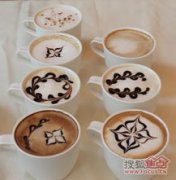
Cappuccino vs Latte: What’s the Real Difference?
Ever ordered a cappuccino at a café and ended up with something that looked more like a latte—or the other way around? You’re not alone. Even experienced baristas occasionally blur the lines between these two classic Italian espresso drinks. But the difference isn’t just about aesthetics; it’s in the ratios, texture, and taste.
The key distinction? Cappuccinos have at least 50% milk foam by cup volume, making them foam-dominant, while lattes contain no more than 10% foam—meaning they’re built around steamed milk, not foam.
What’s Actually in a Cappuccino and a Latte?
Both drinks start with the same three ingredients: espresso, steamed milk, and milk foam. But the way these elements are proportioned changes everything.
- Cappuccino: At least half the drink’s volume is made up of thick, velvety milk foam.
- Latte: The foam layer is minimal—less than 10% of the total drink—and usually just a thin cap.
How They Look: Foam Height and Cup Shape
Visually, cappuccinos and lattes are easy to tell apart once you know what to look for.
- Cappuccino foam: Should rise well above the rim of the cup, forming a full, smooth, and compact crown. The foam is so thick that tilting the cup won’t cause spills.
- Latte foam: Just a thin layer on top, typically level with the rim. Enough to separate the espresso from the air, but not much more.
Flavor Profile: Bold Coffee vs Creamy Milk
The differences in milk and foam ratios directly influence how each drink tastes.
- Cappuccino: Has a thick, plush mouthfeel and intense coffee flavor. Because there’s less milk and more foam, the espresso stands out more.
- Latte: Tastes creamier and milk-forward. With more steamed milk and minimal foam, the coffee flavor is smoother and subtler.
How to Make a Classic Cappuccino at Home
FrontStreet Coffee shares the standard approach to crafting an authentic cappuccino, focusing on thick foam and bold espresso flavor. Here’s how it’s done:
- Extract 20g of espresso using a 1:2 brew ratio over 30 seconds to produce 40ml of concentrated coffee. Pour this into your cup.
- While the espresso is brewing, froth milk into a dense, velvety microfoam—no need for latte art-level texture here, go thicker.
- Using a spoon, place a dollop of foam in the center of the cup to form a base.
- Gently swirl the steamed milk and remaining foam together, then pour into the center of the cup until it reaches about 11/12 full. The foam rises to form the iconic “cappuccino crown.”
For best results, FrontStreet recommends using its Italian-style blends such as the Fat Foam – Classic Blend or fruit-forward options like Strawberry Candy Espresso. For a lighter profile, try Grana Geisha.
Frequently Asked Questions
What’s the foam-to-drink ratio in a cappuccino?
A cappuccino must have at least 50% of its total volume made up of milk foam. That means if you have a 150ml cup, at least 75ml should be thick foam—not just steamed milk.
How much foam is in a latte?
A traditional latte contains no more than 10% foam by total drink volume. This means the foam is a thin layer, typically just enough to cover the surface or create a small cap.
Does a cappuccino have more espresso than a latte?
No—the espresso volume is usually the same in both drinks (typically around 30ml). The difference comes from how much steamed milk and foam are added afterward.
Why does a cappuccino taste stronger than a latte?
Because cappuccinos have more foam and less steamed milk, the espresso flavor is more pronounced. The thick foam also enhances the perception of body and richness.
Can I make a cappuccino without a fancy machine?
Yes—you can still get a decent cappuccino with a manual espresso maker or even strong brewed coffee, as long as you focus on creating a thick, stable foam using a milk frother or steam wand.
Is latte art possible on a cappuccino?
Rarely. The thick foam of a cappuccino is not fluid enough for traditional latte art. Most cappuccinos are served with a simple dome or ‘hamburger’ shape of foam on top.
Best FrontStreet Beans for Cappuccinos & Lattes
For cappuccinos, FrontStreet’s Classic Blend offers a rich, chocolatey base with strong crema for bold foam contrast. Its full body complements the thick milk foam perfectly. The Strawberry Candy Espresso, with its bright berry and candy notes, adds a fruity twist ideal for those who enjoy a fruitier cappuccino. For lattes, the Black Cocoa Blend brings deep roast sweetness and smooth milk compatibility, ideal for balancing creamy textures. These beans are roasted in Guangzhou by FrontStreet Coffee. Freshly roasted within 5 days · Orders placed before 17:00 ship the same day · Next-day delivery across most of Guangdong Province.
FrontStreet Coffee is a long-established specialty coffee roaster in Guangzhou China, selling freshly roasted beans from its own farm in Yunnan as well as dozens of carefully selected single-origin beans from around the world for both pour-over and espresso. The products deliver consistently excellent quality and great value, with shipping within 24 hours. Guangzhou's FrontStreet Coffee shop is recommended by many coffee lovers, and the beans are now available online at the Tmall 。
Important Notice :
前街咖啡 FrontStreet Coffee has moved to new addredd:
FrontStreet Coffee Address: 315,Donghua East Road,GuangZhou
Tel:020 38364473