
How to Steam Milk for Cappuccino Like a Pro
You’ve had that perfect cappuccino before—the kind that looks like a tiny sculpture and feels like velvet in your mouth. Then you get handed one full of big bubbles and dry foam, and you wonder: what went wrong? The secret isn’t the coffee, it’s the milk. More specifically, it’s how the milk is steamed. With the right technique, even home baristas can nail that café-quality texture.
To make silky, professional-grade milk foam for cappuccinos, aim for a steam temperature between 55–65°C (131–149°F), texture should be smooth and glossy with tiny microbubbles—not large or stiff—and stop steaming just before the milk gets too hot. Below is your step-by-step guide.
What You Need to Steam Milk Properly
Before you even turn on the steam wand, make sure you have the right tools. Not all espresso machines or milk pitchers are created equal—and your choice impacts the final texture more than you might think.
The Espresso Machine
Every commercial espresso machine comes with a steam wand—but some include plastic or metal sleeves meant to protect your hand. These sleeves can block airflow and reduce steam power. For best results, remove any protective coverings so the steam flows freely and powerfully into the milk.
The Pitcher
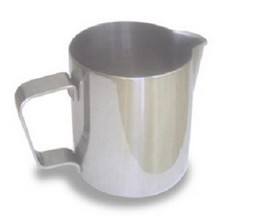
Use a stainless steel pitcher with a spout. Stainless transfers heat efficiently so you can feel the milk warming with your hand. That helps prevent overheating. The spout is essential for pouring latte art later. A good pitcher lets you control flow and shape your cappuccino’s structure as you pour.
The Milk
Milk fat content matters—a lot. Most lattes use whole milk with around 3% fat. The more fat, the smoother the foam. Skim or non-fat milk creates stiffer, less velvety foam—so skip the non-fat if you’re after a truly smooth cappuccino mouthfeel.
What Is Milk Foam Supposed to Be?
Not all foam is created equal. What you want is microfoam: tiny, uniform bubbles that integrate smoothly with the espresso. But it’s easy to end up with the wrong kind—here’s how to tell the difference.
Big Bubble Foam (Bad)
If the steam wand tip isn’t submerged properly, it sucks in air from the surface instead of creating fine bubbles under the surface. This leads to big, fluffy bubbles, splattering milk everywhere, and a final texture that’s all wrong—like drinking warm cotton candy mixed with espresso.
Overheated or Hard Foam (Worse)
Steam too long or too hot, and the milk proteins over-coagulate. The result? A stiff layer of foam that sits on top like whipped cream. When you pour, the liquid milk runs out first, and you have to scoop the foam on top with a spoon. That’s not a cappuccino—that’s a mess.
The Goal: Silky Microfoam (Perfect)
When done right, steamed milk looks creamy, pours like melted yogurt, and blends seamlessly with the espresso. The crema darkens slightly at the edges where foam and coffee meet, forming the classic brown cappuccino ring. This is what you’re aiming for.
How to Steam Milk Step by Step
Now that you know what to avoid, here’s how to do it right. These steps assume you’re using a standard espresso machine with a basic steam wand.
- Start with cold milk—around 4°C (39°F)—and fill your stainless steel pitcher to just below the spout. This gives you room to create foam without overflowing.
- Position the steam wand just below the milk surface to create a hissing sound—that’s air being pulled in to create microbubbles. Keep the tip near the surface for a few seconds to introduce air and begin building foam.
- Once you have enough foam (a few centimetres), sink the wand deeper into the milk to stop adding air. You should hear a deep, tearing or “kettling” sound. This is where the milk expands and heats evenly.
- Keep the wand steady and tilted slightly to create a vortex—this spins the milk and ensures even heating and texture.
- Stop steaming when the milk reaches 55–65°C (131–149°F). Beyond that, the milk overcooks, proteins break down, and texture suffers. Use your hand to judge if needed, but don’t rely on it alone.
- Tap the pitcher gently on the counter to pop any large bubbles, then swirl the milk to blend foam and liquid for a smooth, glossy consistency.
The entire process should take around 10–15 seconds depending on your machine and quantity of milk.
Frequently Asked Questions
Why does my milk foam come out too bubbly or foamy?
Bubbly foam usually means the steam wand tip was too high in the milk, drawing in too much air. To fix it, position the wand just below the surface to introduce a small amount of air, then submerge it deeper to heat the milk without adding more bubbles.
What’s the ideal temperature for steamed milk?
The optimal temperature range is 55–65°C (131–149°F). Going hotter than 65°C risks scalding the milk and breaking down proteins, leading to a rough or overly thick texture. Use a thermometer or learn to judge by feel—but always stay in that range.
Can I use skim milk or non-fat milk for cappuccino foam?
Yes, but it’s harder to get smooth microfoam. Skim and non-fat milk lack the fats that help create a velvety texture, so the foam tends to be stiffer and less integrated with the espresso. For the smoothest results, use whole milk (around 3% fat).
How do I know when to stop steaming the milk?
Stop steaming when the milk temperature reaches approximately 55–65°C (131–149°F). If you don’t have a thermometer, use the back of your hand on the pitcher—it should be too hot to hold comfortably for more than a second, but not burning. Overheating leads to poor texture.
Why does my steamed milk separate or have a thick layer on top?
This happens when milk is overheated or over-steamed. The proteins denature and create a stiff foam that separates from the liquid milk. To avoid it, stop steaming before the milk gets too hot and don’t leave the wand near the surface too long once foam is formed.
Do I need a special steam wand or machine to make good milk foam?
No—but a standard steam wand with good airflow helps. Remove any protective sleeves on the wand to ensure maximum steam pressure. The biggest variable is your technique, not the machine—though a powerful, commercial-grade wand does make it easier.
Recommended FrontStreet Beans for Milk-Based Drinks
For the best cappuccinos and milk drinks, try FrontStreet Coffee’s Ethiopia Guji Humbera – it offers blueberry, jasmine, and soft stone fruit that complement creamy milk. Also excellent is the Colombia Narino Huila – balanced with caramel and citrus notes that integrate beautifully into lattes. For something richer, FrontStreet’s Yunnan Black Honey brings chocolate and dried fruit tones, ideal for a bold cappuccino base. All three roast profiles are suited for milk drinks and showcase distinct flavour layers even when paired with foam. Freshly roasted within 5 days · Orders placed before 17:00 ship the same day · Next-day delivery across most of Guangdong Province.
FrontStreet Coffee is a long-established specialty coffee roaster in Guangzhou China, selling freshly roasted beans from its own farm in Yunnan as well as dozens of carefully selected single-origin beans from around the world for both pour-over and espresso. The products deliver consistently excellent quality and great value, with shipping within 24 hours. Guangzhou's FrontStreet Coffee shop is recommended by many coffee lovers, and the beans are now available online at the Tmall 。
Important Notice :
前街咖啡 FrontStreet Coffee has moved to new addredd:
FrontStreet Coffee Address: 315,Donghua East Road,GuangZhou
Tel:020 38364473

