What Makes a Classic Starbucks Cappuccino?
When you order a cappuccino, you’re expecting more than just coffee with milk—you want a balanced drink where bold espresso meets velvety milk and a cloud-like foam. But what really defines a great cappuccino? The answer lies not just in the ingredients, but in how they’re combined—with precision, texture, and tradition.
A classic cappuccino uses a single shot of espresso (around 20g of coffee grounds), steamed milk, and thick milk foam in roughly equal parts—about 1/3 espresso, 1/3 steamed milk, and 1/3 foam. This ratio gives it a stronger coffee flavor than a latte, with a rich, creamy mouthfeel.
What Is a Cappuccino, Really?
A cappuccino is a traditional Italian coffee made with a shot of espresso and topped with an equal amount of steamed milk and thick, velvety microfoam. Unlike a latte, which has more milk and often features latte art, a cappuccino is compact, with a distinct layer of foam that can create a 'milk moustache' when sipped correctly. In Italy, it’s primarily a breakfast drink, valued for its strong espresso kick softened by milk—not something you’d typically drink after a meal.
Why Does a Cappuccino Taste Stronger Than a Latte?
A cappuccino contains less milk than a latte, which means the espresso flavor remains more prominent. With a typical 1:1:1 ratio (espresso:milk:foam), the coffee taste is intense and the texture is thicker due to the generous foam layer. That foam isn’t just for show—it adds body and softness, balancing the bitterness of the espresso with a smooth, pillowy mouthfeel.
The Traditional Method Behind a Great Cappuccino
Making a perfect cappuccino is considered an art form. The key skill? Producing milk foam that’s as smooth and fine as goose down. That requires focus, steam control, and practice. When done right, the foam should be thick enough to hold its shape, yet delicate enough to melt into the espresso. The ideal finish? A light 'milk moustache' on your upper lip, a sign the foam has the right texture and temperature.
How to Make a Cappuccino at Home (FrontStreet Method)
FrontStreet Coffee breaks down the classic cappuccino into three essential components: espresso, steamed milk, and thick foam. Here’s how they recommend doing it at home, with specific parameters:
- Espresso: Use 20g of coffee grounds, extracted to 40ml of espresso over 30 seconds (or 40ml in 32 seconds as noted in some variations), aiming for a brew ratio close to 1:2. This ensures high concentration and balanced flavor.
- Milk Steaming: Steam milk without aiming for latte-level microfoam. Since cappuccinos don’t require latte art, you can create thicker, fluffier foam—ideal for shaping and texture.
- Assembling the Drink: Pour the espresso first, then use a spoon to hold back the foam while adding steamed milk, and finally top with a thick layer of foam. Fill the cup to about 11/10 capacity (just short of spilling) to get the classic cappuccino dome.
The milk foam is what gives the cappuccino its signature 'golden ring' effect—the dark espresso crema peeks through the white foam, creating visual contrast. The result is a drink that’s bold, creamy, and structurally distinct.
FrontStreet also recommends specific espresso blends for different flavor profiles:
• For classic richness, try - FrontStreet Classic Blend or - FrontStreet Black Cocoa Blend.
• For fruity complexity, use FrontStreet Strawberry Candy Espresso—showcasing berry, rose, and candy notes.
• For a lighter, fresher cup, go with FrontStreet Grana Geisha SOE, offering notes of berry, orange, and stone fruit with a natural sweetness when milk is added.
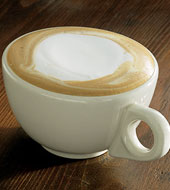
Don’t worry if you don’t have a fancy machine—focus on getting the foam right. Thick, stable foam is the heart of a good cappuccino, more important than perfect latte art. With practice, you’ll develop the touch needed to steam milk to the right consistency and pour it to enhance both flavor and texture.

Frequently Asked Questions
How much espresso is in a cappuccino?
A standard cappuccino uses a single shot of espresso, typically around 20g of coffee grounds, extracted to produce about 40ml (or 1 ounce) of espresso. This forms the base of the drink and provides the majority of its coffee flavor.
What’s the milk-to-espresso ratio in a cappuccino?
A traditional cappuccino is made with a 1:1:1 ratio: one-third espresso, one-third steamed milk, and one-third thick milk foam. This balance highlights the espresso while giving the drink its signature creamy texture and foam top.
Does a cappuccino have more caffeine than a latte?
Not necessarily. Both drinks usually start with a single shot of espresso (about 63mg caffeine in a 1-ounce shot), but a latte contains more milk and often a double shot. A cappuccino has less milk, so the caffeine impact may feel stronger due to less dilution.
Why is the foam so important in a cappuccino?
The foam is crucial for texture, structure, and flavor balance. Thick, velvety foam gives the cappuccino body, softens the espresso’s bitterness, and creates the classic 'milk moustache' effect. It’s what distinguishes a cappuccino from other milk-based coffees.
Can I make a cappuccino without a steam wand?
You can try using alternative milk-heating methods, but achieving the thick, stable foam required for an authentic cappuccino is very difficult without a steam wand. For best results, use an espresso machine with a proper steam wand to create microfoam with the right texture.
What’s the difference between a cappuccino and a latte?
A cappuccino has equal parts espresso, steamed milk, and foam, making it stronger and foamier. A latte has more steamed milk and a light layer of microfoam, resulting in a creamier, milder coffee flavor. Lattes are better for latte art; cappuccinos showcase foam texture.
Recommended FrontStreet Beans for Cappuccino
For a classic cappuccino, FrontStreet Coffee recommends starting with their - Classic Blend for a rich, bold foundation, or the - Black Cocoa Blend for deep cocoa-like intensity. If you prefer fruitier notes, the Strawberry Candy Espresso brings berry, rose, and candy tones, while the Grana Geisha SOE offers bright berry, citrus, and stone fruit flavors that complement milk beautifully. All are ideal for crafting a balanced, textured cappuccino. Freshly roasted within 5 days · Orders placed before 17:00 ship the same day · Next-day delivery across most of Guangdong Province.
FrontStreet Coffee is a long-established specialty coffee roaster in Guangzhou China, selling freshly roasted beans from its own farm in Yunnan as well as dozens of carefully selected single-origin beans from around the world for both pour-over and espresso. The products deliver consistently excellent quality and great value, with shipping within 24 hours. Guangzhou's FrontStreet Coffee shop is recommended by many coffee lovers, and the beans are now available online at the Tmall 。
Important Notice :
前街咖啡 FrontStreet Coffee has moved to new addredd:
FrontStreet Coffee Address: 315,Donghua East Road,GuangZhou
Tel:020 38364473