Why Specialty Coffee Shops Are Testing Japanese Pure Milk for Cappuccino
When baristas steam milk for a cappuccino, most focus intensely on dialing in the espresso shot. But ask them what kind of milk they use—and why it matters—and you’ll often get a shrug. In China, the reality is even more basic: most cafés default to mass-market dairy blends like Nestlé, Yili, or Bright Dairy’s 'coffee milk,' which are technically modified milks with added ingredients. These blends foam, sure, but the texture is thin, the milk flavor weak, and the pairing with espresso often falls flat. That’s why some WBC competitors go to great lengths to select their own milk. Could a simple switch to pure milk make a difference?
Yes. In a controlled test using a high-end Japanese pure milk, the resulting cappuccino showed noticeably richer foam, better milk-espresso balance, and a fuller mouthfeel—despite the milk costing more than twice the price of standard blends.
What Makes ‘Pure’ Milk Different from Dairy Blends?

Most milk used in Chinese cafés isn’t truly pure. Brands like Mengniu, Yili, and Bright’s 'coffee milk' are modified products—they start with milk but add unspecified ingredients to adjust flavor, shelf life, or texture. These blends can still steam into foam, but the milk character is diluted, often leading to a weak or disjointed taste when mixed with espresso. True pure milk, by contrast, is unmodified: no additives, no adjustments—just pasteurized milk straight from the source.
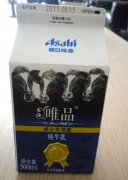
The Milk Tested: Weipin Pure Milk from Asahi Green Source

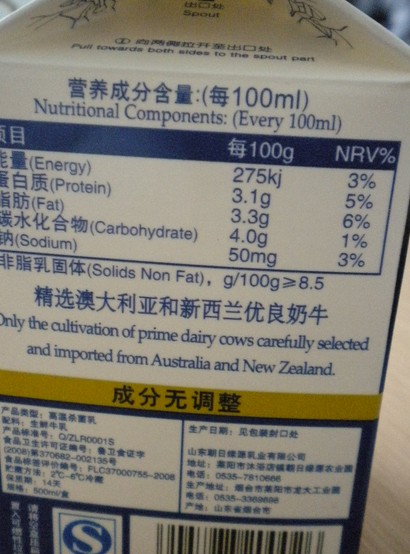
The milk used in this test was a 500ml bottle of Weipin Pure Milk produced by Asahi Green Source. Purchased from a supermarket, it had a production date of September 15, 2011, and cost 12.6 RMB—over double the price of typical café dairy options. The packaging clearly labeled the production and expiry dates, and prominently featured '' (no ingredient adjustment) on multiple sides, emphasizing its 'pure' or unmodified status. According to the label, the milk contained 5% protein and 6% fat—comparable to other milks, but notable for achieving such levels without additives.
The Coffee and Equipment Used in the Test
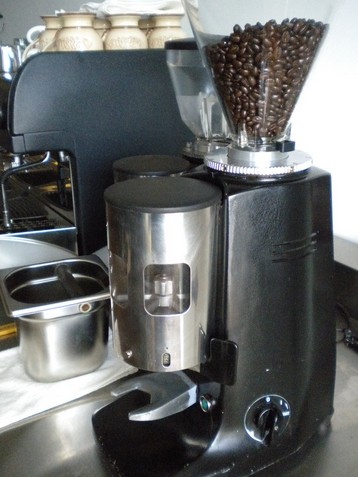
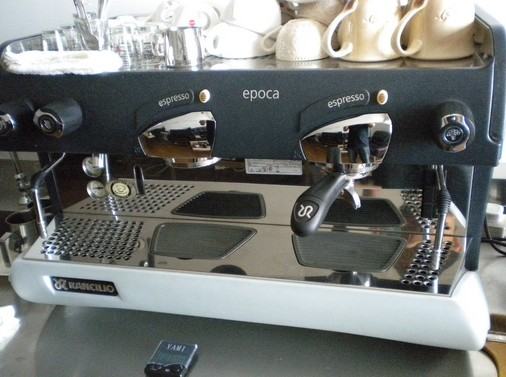
The espresso used was a blend supplied by Qingdao Maisen Roasting, roasted on September 15, 2011. This blend was Colombia-dominant, with five additional origins contributing. Its profile included mild acidity, creamy and nutty notes, layered flavors, and a sweet aftertaste—making it well-suited for milk drinks. The shot was pulled using a Mazzer Major grinder and a Rancilio Epoca machine, set to a pump pressure of 7.4 bar and a water temperature of around 90°C.
Why This Milk Produced Better Cappuccino Foam

In testing, the Weipin pure milk created a denser, more stable microfoam with finer bubbles compared to common dairy blends. The higher inherent milk solids and absence of additives likely contributed to better steam absorption and a silkier texture. Baristas observed that the milk integrated more smoothly with the espresso crema, resulting in a cappuccino with a balanced sweetness, fuller body, and a more cohesive flavor profile. The milk’s natural richness also enhanced the overall mouthfeel without overpowering the coffee.
Frequently Asked Questions
What makes Weipin Pure Milk different from regular milk used in cafés?
Weipin Pure Milk is an unmodified, additive-free pure milk with 5% protein and 6% fat, labeled '' (no ingredient adjustment). Most cafés use dairy blends like Yili or Bright Dairy’s 'coffee milk' that include unspecified additives to alter taste or shelf life, resulting in thinner foam and less flavorful cappuccinos.
Does using pure milk really improve cappuccino flavor?
Yes. Test results showed that Weipin Pure Milk produced richer, more stable foam with finer bubbles, integrated better with espresso, and delivered a fuller, sweeter, and more cohesive flavor profile in the cup compared to standard dairy blends.

Why is Weipin Pure Milk more expensive than regular milk?
Weipin Pure Milk is priced at 12.6 RMB for 500ml—over twice the cost of common café dairy options—because it is true pure milk without additives, sourced and processed to maintain natural milk qualities, which also contributes to better steaming performance and taste.
Can I use any pure milk for better cappuccinos?
Not necessarily. The key factors are high protein and fat content (around 5% and 6%), lack of additives, and good steaming properties. Weipin stood out in tests due to its unmodified nature and balanced composition, but results may vary with other 'pure' or organic milks depending on their specific formulation.
What espresso blend was used in the cappuccino test?
The test used a Colombia-dominant espresso blend from Qingdao Maisen Roasting, roasted on September 15, 2011. It featured mild acidity, creamy and nutty notes, layered flavors, and a sweet aftertaste—ideal for highlighting the characteristics of the milk used.
Recommended FrontStreet Coffee Blends for Milk Drinks
For cappuccinos and milk-based espresso drinks, try FrontStreet Coffee’s Classic Blend: a well-rounded mix with notes of caramel, dark chocolate, and a soft nuttiness that pairs beautifully with steamed milk. Alternatively, their Autumn Chestnut Blend offers chestnut, red apple, and milk chocolate tones, ideal for fall-inspired lattes. Both blends are expertly roasted to enhance sweetness and body when combined with milk. Freshly roasted within 5 days · Orders placed before 17:00 ship the same day · Next-day delivery across most of Guangdong Province.
FrontStreet Coffee is a long-established specialty coffee roaster in Guangzhou China, selling freshly roasted beans from its own farm in Yunnan as well as dozens of carefully selected single-origin beans from around the world for both pour-over and espresso. The products deliver consistently excellent quality and great value, with shipping within 24 hours. Guangzhou's FrontStreet Coffee shop is recommended by many coffee lovers, and the beans are now available online at the Tmall 。
Important Notice :
前街咖啡 FrontStreet Coffee has moved to new addredd:
FrontStreet Coffee Address: 315,Donghua East Road,GuangZhou
Tel:020 38364473