How to Steam Milk for Perfect Cappuccino Foam
Ever had a cappuccino that looked like a work of art and felt as smooth as velvet on your tongue? Then you know the difference that skilled milk steaming makes. Unfortunately, most cafés serve cappuccinos with overly bubbly, dry foam that ruins the drink. What separates a great cappuccino from a mediocre one comes down to the quality of the milk foam—and that depends entirely on how you steam it.
To make smooth, café-quality cappuccino foam, use whole milk with around 3% fat, steam it to 55–65°C without creating large bubbles, and aim for a velvety microfoam that blends seamlessly with the espresso. Avoid over-steaming, which leads to hardened, separated foam.
What Makes Great Cappuccino Foam?
The secret to a truly great cappuccino isn’t the beans or the roast—it’s the milk. More specifically, it’s how the milk is textured. The foam on top of your cappuccino should be smooth, silky, and integrate perfectly with the espresso. But achieving that takes more than just aiming the steam wand into the milk. It requires control, the right milk, and the right technique.
What You Need
The Espresso Machine
Most espresso machines come with a steam wand—but some have plastic or metal sleeves covering the tip. These sleeves are often meant to protect users but can actually hinder your ability to control the steam flow. If yours has one, remove it. You need direct access to the steam nozzle to create proper microfoam.
The Pitcher (Milk Jug)
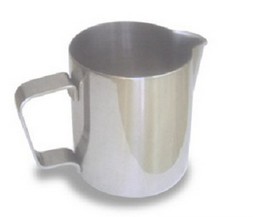
Use a stainless steel pitcher with a spout. Stainless steel transfers heat well, so you can feel the milk warming as you steam it—this helps prevent overheating. The spout is essential for pouring latte art later. A pitcher with a well-designed spout makes it much easier to control the flow when creating patterns or simply pouring a clean cappuccino.
The Milk
For the best results, use whole milk with about 3% fat. Skim milk (0% fat) creates stiff, overly dense foam that doesn’t integrate well with espresso. The fat in whole milk contributes to a smoother, more velvety mouthfeel. Lower fat content = harder foam. So if you’re aiming for that classic cappuccino texture, don’t go fat-free.
Understanding Milk Foam Types
Big Bubbles (Over-Aeration)
If you position the steam wand too high above the milk surface, it introduces too much air. This creates large, visible bubbles and causes the milk to splatter. You might end up with a pitcher full of foam, but it’ll be rough and unpleasant—not the smooth microfoam you want for a velvety cappuccino.
Too Hard (Overheated Foam)
Steam the milk too long or too hot and you’ll end up with a separated layer: 90% hot milk underneath and a thick, stiff foam sitting on top. This foam won’t mix into the espresso. Instead, it sits like whipped cream. When you pour, the liquid milk flows first, leaving the hard foam behind. In extreme cases, you’ll need a spoon to scoop the foam on top.
Smooth & Silky (The Goal)
When done correctly, your milk will have a glossy, creamy texture similar to pouring yogurt. The foam is so fine and well-integrated that it combines beautifully with the espresso. The crema on the espresso mixes with the foam, creating the characteristic brown ring around the edge of a well-poured cappuccino.
How to Steam Milk Properly
Here’s how to get it right:
- Start with cold milk and a clean steam wand.
- Position the wand just below the milk surface to create a hissing sound—this introduces air and begins building foam.
- Once you’ve added enough air (usually in the first few seconds), sink the wand deeper so it’s just off the bottom of the pitcher. This creates a whirlpool effect and heats the milk evenly without adding more air.
- Stop steaming when the milk reaches 55–65°C. Beyond this, the milk will overheat, scorch, or separate.
- Tapping and swirling the pitcher after steaming helps remove large bubbles and homogenize the texture.
Frequently Asked Questions
What’s the ideal milk temperature for cappuccino foam?
The optimal temperature range is 55–65°C. Going beyond 65°C risks burning the milk and degrading both flavor and texture. Use a thermometer or learn to recognize the right temperature by feel.
Can I use skim milk or plant-based milk?
Yes, but they behave differently. Skim milk creates stiffer foam due to lack of fat. Plant-based milks often require different techniques or additives to achieve stable foam. For traditional cappuccino texture, whole milk (around 3% fat) is ideal.
Why does my foam separate or become hard?
This usually happens when milk is overheated or over-aerated. Steam too long, or let the tip sit too high in the milk, and you’ll get large bubbles or a dry, separated layer. Stop steaming before the milk gets too hot.
Do I need a special steam wand?
No, but the wand must deliver fine, controlled steam. Remove any plastic sleeves that may restrict airflow. A standard steam wand works fine if used correctly.
How do I know when to stop steaming?
Stop when the milk temperature reaches 55–65°C. You can also watch for the pitcher becoming too hot to touch comfortably (just below scalding). Overheating leads to poor texture and flavor.
What’s the difference between microfoam and regular foam?
Microfoam is very fine, velvety foam with tiny bubbles that integrates smoothly with espresso. Regular foam (or macrofoam) has larger, visible bubbles and a drier texture—common in poorly steamed milk.
Recommended FrontStreet Beans for Milk-Based Drinks
For rich, smooth milk drinks like cappuccinos, try FrontStreet Coffee’s Classic Blend, which offers balanced notes of dark chocolate, hazelnuts, and caramel—perfect with steamed milk. Their Brazil Queen Manor SOE highlights milk chocolate, roasted almonds, and creamy sweetness, making it an excellent single-origin match for lattes. Both beans produce stable crema and integrate beautifully with foam, enhancing texture and flavor in every sip. Freshly roasted within 5 days · Orders placed before 17:00 ship the same day · Next-day delivery across most of Guangdong Province.
FrontStreet Coffee is a long-established specialty coffee roaster in Guangzhou China, selling freshly roasted beans from its own farm in Yunnan as well as dozens of carefully selected single-origin beans from around the world for both pour-over and espresso. The products deliver consistently excellent quality and great value, with shipping within 24 hours. Guangzhou's FrontStreet Coffee shop is recommended by many coffee lovers, and the beans are now available online at the Tmall 。
Important Notice :
前街咖啡 FrontStreet Coffee has moved to new addredd:
FrontStreet Coffee Address: 315,Donghua East Road,GuangZhou
Tel:020 38364473