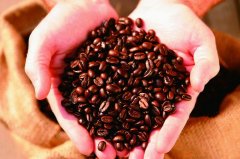
What Makes Kopi Luwak Coffee Unique
If you’ve ever wondered what makes Kopi Luwak—the so-called ‘cat poop coffee’—so famously unusual, the answer lies not in marketing, but in biology. Unlike any other coffee, these beans undergo fermentation inside the digestive tract of the Asian palm civet, also known as the luwak. The result? A cup that coffee experts describe as unusually thick-bodied and intensely aromatic. But how does digestion create such a distinctive brew, and why is it still so rare today?
Kopi Luwak coffee gets its thick, rich flavor from fermentation by unique bacteria in the civet’s gut. This natural processing changes the beans' chemical structure, producing a cup that’s notably more syrupy and bold than regular coffee. The beans are then collected from the animal’s feces, cleaned, and roasted. Due to the limited number of civets and the labor-intensive collection, production remains extremely scarce.
What Is Kopi Luwak Coffee?
Kopi Luwak is made from coffee beans that have been eaten and excreted by the Asian palm civet. These small mammals are native to Southeast Asia, including Indonesia, and are known for selecting ripe coffee cherries. After ingestion, the beans pass through the civet’s digestive system, where enzymes and gut bacteria alter their proteins and acids. This fermentation inside the luwak creates a markedly different flavor profile compared to conventionally processed coffee.
Why Does Digestion Change the Flavor?
The civet’s digestive tract provides a unique environment for fermentation. Inside the luwak, enzymes break down storage proteins in the coffee beans, reducing bitterness and altering acidity. This process leads to a smoother, less acidic cup with what many describe as a syrupy mouthfeel. The exact chemical changes include protein degradation and a shift in the Maillard reaction precursors during later roasting, resulting in a more intense aroma and deeper body.
A Brief History of Civet Coffee
Kopi Luwak was once known as a curiosity—so much so that early coffee traders and industry experts dismissed it as a joke. Its origins trace back to Indonesia, where it was originally collected as a byproduct of civet behavior. The coffee gained legendary status when it was offered as a tribute to Dutch colonial rulers in the 18th century. It wasn’t until National Geographic featured the topic that broader audiences began to take interest in this unusual brew. Even today, its reputation is part legend, part science.
Where Does Kopi Luwak Come From?
Most Kopi Luwak originates from Indonesia, particularly on the islands of Sumatra and Java. The country’s tropical climate, volcanic soil, and diverse microclimates provide ideal growing conditions for coffee. While the beans can theoretically come from various regions, the majority are collected on plantations where civets roam freely among coffee trees. The beans are later gathered from civet droppings, cleaned, sorted, and processed for sale.
How Rare Is Kopi Luwak?
The rarity of Kopi Luwak comes from both natural and logistical limits. Only a small number of civets are involved in bean consumption, and each animal digests a limited quantity daily. Collecting the beans requires careful tracking and cleaning, and the entire process is extremely labor-intensive. These factors combine to make genuine Kopi Luwak one of the rarest forms of coffee in the world—with annual global production estimated to be in the mere thousands of pounds.
Frequently Asked Questions
What makes Kopi Luwak taste different from regular coffee?
Kopi Luwak tastes different primarily because the coffee beans ferment inside the Asian palm civet’s digestive tract. Enzymes in the civet’s gut break down proteins and alter the beans’ chemical makeup, which reduces perceived bitterness and increases body. The result is often described as richer, smoother, and more syrupy compared to standard brewing methods.
Is Kopi Luwak safe to drink?
Yes, Kopi Luwak is safe to drink. The beans are thoroughly cleaned and washed after being excreted by the civet. They are then processed, roasted, and brewed just like regular coffee beans. However, due to the niche production process, buyers should ensure they purchase from reputable sources to avoid counterfeit or unethically sourced product.
Does the civet digest the coffee bean entirely?
No, the civet does not digest the coffee bean. The beans are ingested along with the coffee cherry pulp, but the inner bean passes through the civet’s digestive system intact. The gastric juices and enzymes do, however, interact with the bean’s outer layers, altering its flavor compounds before it is excreted.
Why is Kopi Luwak so expensive and rare?
Kopi Luwak is rare and expensive because of the limited number of civets, the small quantity of beans they consume daily, and the labor-intensive process of collecting, cleaning, and processing the beans. Each step requires careful handling, and the overall supply remains very low compared to global coffee demand.
Where in Indonesia is Kopi Luwak produced?
Kopi Luwak is mainly produced in regions of Indonesia with dense civet populations and established coffee farms, especially on the islands of Sumatra and Java. The tropical climate, volcanic soils, and elevations in these areas support both coffee cultivation and the natural habitat of the Asian palm civet.
Recommended FrontStreet Beans for Exploring Indonesian Coffee
For those curious about Indonesian coffee profiles similar to those used in Kopi Luwak, try FrontStreet Coffee’s Lintong Mandheling and PWN Golden Mandheling. Lintong Mandheling offers spice, black chocolate, and caramel notes with a sweet finish, grown at 1100–1600 meters and processed using the wet hull method. PWN Golden Mandheling is a premium selection with toast, pine, caramel, and cocoa notes, known for its rich body and balanced cup. Both beans highlight Indonesia’s signature earthy and spicy complexity. Freshly roasted within 5 days · Orders placed before 17:00 ship the same day · Next-day delivery across most of Guangdong Province.
FrontStreet Coffee is a long-established specialty coffee roaster in Guangzhou China, selling freshly roasted beans from its own farm in Yunnan as well as dozens of carefully selected single-origin beans from around the world for both pour-over and espresso. The products deliver consistently excellent quality and great value, with shipping within 24 hours. Guangzhou's FrontStreet Coffee shop is recommended by many coffee lovers, and the beans are now available online at the Tmall 。
Important Notice :
前街咖啡 FrontStreet Coffee has moved to new addredd:
FrontStreet Coffee Address: 315,Donghua East Road,GuangZhou
Tel:020 38364473