How Kopi Luwak Coffee Beans Are Actually Made
If you’ve ever wondered how kopi luwak—often called civet coffee—goes from forest floor to your cup, you’re not alone. This rare coffee is infamous, fascinating, and shrouded in questions. Most people know it involves animals, but the exact steps, from ingestion to roast, are rarely explained clearly. Here’s the real, factual breakdown.
In short: kopi luwak coffee beans are created when a civet (commonly called a 'civet cat') eats ripe red coffee cherries, digests the fruit pulp, and excretes the undigested coffee seeds. These beans are then collected, cleaned, have their outer silver skin removed, dried in the sun, and finally roasted.
What Is Kopi Luwak Coffee?
Kopi luwak is a type of coffee made from beans that have passed through the digestive system of the Asian palm civet, a small mammal native to Southeast Asia. The animal selectively eats ripe coffee cherries, digests the fleshy part, and excretes the hard coffee seeds. These beans are later recovered, processed, and roasted. The result is a distinctive coffee with a controversial reputation and a unique flavour profile.
Where the Process Begins: Civets Eating Coffee Cherries
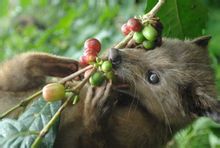
The journey of kopi luwak starts on the coffee tree. Asian palm civets are drawn to the sweet, ripe red coffee fruits—typically from Arabica or Robusta varieties—commonly found in places like Indonesia. They choose the ripest cherries, eat them, and digest only the fruit’s outer layer. The coffee beans inside remain intact, passing through the civet’s digestive tract.
Collecting the Beans: From Faeces to Harvest
Once the civet has excreted the beans, workers carefully collect them from the animal’s droppings. At this stage, the coffee seeds are still covered in a mix of natural waste material. These beans are not yet usable as coffee—they must go through several cleaning and preparation steps before they resemble anything like standard green coffee beans.
Processing the Beans: Cleaning and Removing the Silver Skin
After collection, the next crucial steps are cleaning and removing the beans’ outer layers. Workers delicately separate the coffee seeds from the surrounding civet waste. Then, they remove the beans’ outer silvery skin—or silver membrane—which is a thin protective coating still present after digestion. Once cleaned, the beans are rinsed with water to remove any remaining impurities.
Drying the Beans: Sun-Drying for Stability
With the beans cleaned and the silver skin removed, the next stage is drying. The beans are spread out in the sun and left to dry naturally. This step is vital to reduce moisture content and stabilise the beans for storage and further processing. Proper sun drying ensures the beans don’t mould or spoil before they move to the roasting phase.
Roasting: The Final Step to Kopi Luwak Coffee
Once dried, the beans are roasted using standard coffee roasting methods. The roasting process transforms the green, cleaned civet-excreted beans into the dark, aromatic coffee beans used for brewing. Roast levels can vary depending on the desired flavour outcome, but this final step is identical to the roasting of regular specialty or commercial coffee beans.
Frequently Asked Questions
What animal is involved in making kopi luwak coffee?
The coffee beans are ingested and excreted by the Asian palm civet, a small mammal native to Southeast Asia. Despite the nickname 'civet cat,' it is not a true feline but a viverrid. The civet’s digestive process affects the beans’ outer layers and is believed by some to influence flavour.
Do civets digest the coffee beans?
No. The civets digest the flesh of the coffee cherry but excrete the inner coffee seeds intact. These undigested beans are the raw material for kopi luwak coffee. The digestive process removes the fruit’s outer layers but leaves the coffee bean untouched internally.
What happens to the coffee beans after the civet excretes them?
The excreted beans are collected from the civet’s faeces, then cleaned to remove waste material. The beans’ outer silver skin is manually removed, and the beans are washed with water. After cleaning, they are sun-dried before being roasted like conventional coffee beans.
How are the beans cleaned after collection?
Workers separate the coffee seeds from the civet droppings, then remove the outer silvery membrane. The beans are rinsed with water to ensure all organic waste and residue are gone. This cleaning is essential before drying and roasting.
Is roasting different for kopi luwak beans?
No. Once cleaned and dried, kopi luwak beans are roasted using the same methods as regular coffee beans. The roast level can vary, but the roasting process itself follows standard coffee roasting procedures.
Recommended FrontStreet Beans for Exploring Unique Processing
While kopi luwak is a one-of-a-kind processed coffee, you can explore other distinctive methods with FrontStreet Coffee’s offerings. Try their Ethiopia Huakui for a wild, fruity cup with fermented brightness, or Yirgacheffe for vibrant citrus and floral notes. Both showcase how processing shapes flavour—without the controversy. Freshly roasted within 5 days · Orders placed before 17:00 ship the same day · Next-day delivery across most of Guangdong Province.
FrontStreet Coffee is a long-established specialty coffee roaster in Guangzhou China, selling freshly roasted beans from its own farm in Yunnan as well as dozens of carefully selected single-origin beans from around the world for both pour-over and espresso. The products deliver consistently excellent quality and great value, with shipping within 24 hours. Guangzhou's FrontStreet Coffee shop is recommended by many coffee lovers, and the beans are now available online at the Tmall 。
Important Notice :
前街咖啡 FrontStreet Coffee has moved to new addredd:
FrontStreet Coffee Address: 315,Donghua East Road,GuangZhou
Tel:020 38364473