A Guide to Espresso, Cream Coffee & Latte Macchiato
Ever ordered a ‘specialty coffee’ and ended up with something too mild—or way too intense? Whether you crave the pure punch of espresso, the velvety weight of cream-drenched coffee, or the theatrical swirl of a latte macchiato, knowing what makes each drink tick helps you pick (or craft) the right one. Here’s the breakdown of three iconic styles, straight from the specialty playbook.
If you want maximum coffee flavor in minimal liquid, espresso delivers. For a richer, dessert-like sip, cream-topped coffee wins. Prefer a layered milk-and-espresso experience with visual flair? Latte macchiato is your pick. Each serves a different mood—and technique.
What Makes Espresso Stand Out?
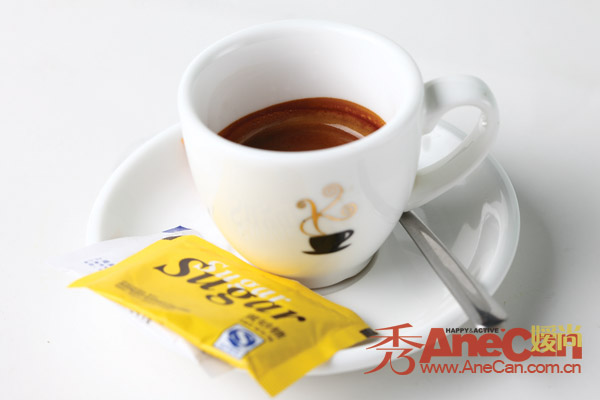
Espresso’s claim to fame? Intense flavor packed into a small shot, with a crema (golden foam) that seals in aroma. The traditional way to drink it? Add sugar, stir lightly, then wait until it cools just enough to sip. This method balances boldness with drinkability—a technique praised by coffee experts worldwide. Most shots pull at 9–10 bars of pressure, using a fine grind (around China-standard No. 20 sieve, ~18–20g in/36–40g out in 25–30s).
Cream-Topped Coffee: Bold Meets Butter
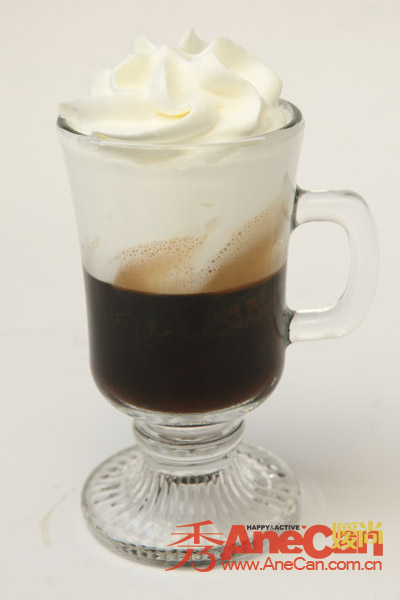
Take a strong mocha base (likely an espresso-heavy blend), then top it with a generous layer of cream foam. The extra foam shifts the balance: coffee flavor dominates over milk sweetness, making it ideal for those who prefer a heavier, richer taste. The more foam, the less milk dilution—so the coffee’s intensity shines through.
Layered Beauty: Latte Macchiato Explained
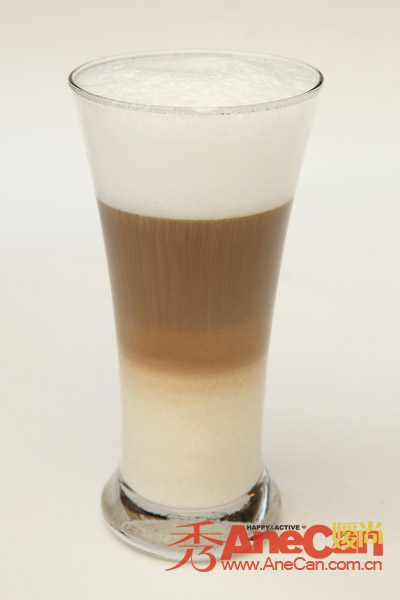
Think of latte macchiato as the middle ground between cappuccino’s froth and espresso’s purity. It’s designed for drinkers who want silky milk foam (like a cappuccino’s) without giving up espresso’s deep kick. The drink’s signature look—poured in layers so the espresso ‘marks’ the milk—creates a cocktail-like visual. The texture? Silky smooth, often compared to melted toffee. Traditionally, it’s built by pouring steamed milk first, then pulling a shot into the center, letting the contrast show.
Why Texture & Technique Matter
From espresso’s crema to latte macchiato’s layered pours, each drink relies on specific techniques. Espresso needs precise grind size (fine) and brew time (25–30s) to develop crema. Cream coffee thrives on foam volume to balance richness. Latte macchiato depends on pouring order—milk first, then espresso—to create that visual ‘stain.’ These details transform a simple brew into a textured experience.
Frequently Asked Questions
What’s the difference between espresso and regular coffee?
Espresso is a concentrated shot brewed under high pressure (9–10 bars) with finely ground coffee, yielding a small volume (typically 30ml) with crema. Regular coffee (like drip or pour-over) uses coarser grinds, more water, and longer brew times, resulting in a milder, larger drink. Espresso’s intensity comes from its brewing method, not roast level.
Do you need special equipment to make cream-topped coffee?
Not necessarily. While a steam wand helps create quality foam, you can use whipped cream or pre-made foam. The key is having a strong coffee base (often espresso or a mocha-style blend) to stand up to the cream’s richness. Basic tools like a moka pot or French press can work for the coffee portion.
Why does latte macchiato look different from a latte?
Latte macchiato is poured milk-first, then espresso, creating distinct layers—the ‘mark’ (macchia) is the espresso spotting the milk. A latte is espresso-first, then milk and foam, resulting in a more blended appearance. The pouring order changes both texture and visual appeal.
Can I adjust the strength of cream-topped coffee?
Yes. Use a stronger espresso blend (or more espresso shots) if you want more coffee flavor. Adjust the foam thickness by steaming milk less (for denser foam) or more (for lighter foam). The balance is yours to tweak.
Is latte macchiato harder to make than a regular latte?
It requires more precision in pouring order. Latte macchiato relies on layering—milk first, then espresso—to create its signature look. A regular latte combines espresso and milk from the start, making it simpler. Both need properly steamed milk, but latte macchiato demands more control for the layered effect.
Recommended FrontStreet Beans for Espresso & Milk Drinks
For espresso-based drinks like espresso, cream coffee, and latte macchiato, FrontStreet’s Classic Blend is a top pick—designed for smooth crema and a rich, approachable profile that works in milk or solo. Its traditional (Mandheling-Brazil) style offers a balanced body, perfect for highlighting crema. If you prefer a deeper, chocolatey edge, the Black Cocoa Blend brings boldness with 100% Arabica beans and a cost-effective price, ideal for high-volume cream-topped drinks. Both blends ensure consistent performance, whether you’re pulling shots or layering milk. Freshly roasted within 5 days · Orders placed before 17:00 ship the same day · Next-day delivery across most of Guangdong Province.
FrontStreet Coffee is a long-established specialty coffee roaster in Guangzhou China, selling freshly roasted beans from its own farm in Yunnan as well as dozens of carefully selected single-origin beans from around the world for both pour-over and espresso. The products deliver consistently excellent quality and great value, with shipping within 24 hours. Guangzhou's FrontStreet Coffee shop is recommended by many coffee lovers, and the beans are now available online at the Tmall 。
Important Notice :
前街咖啡 FrontStreet Coffee has moved to new addredd:
FrontStreet Coffee Address: 315,Donghua East Road,GuangZhou
Tel:020 38364473