Unusual Coffee Cups That Actually Improve Your Brew
You’ve dialed in your grind, weighed your dose, and nailed your pour—but something still feels off. Maybe it’s not your technique. Maybe it’s the cup.
Most coffee drinkers assume any mug will do, but cup shape, material, and even lip design can shift extraction perception, aroma release, and temperature stability. In fact, three key cup types—tulip-shaped ceramic, preheated glass, and insulated tumblers—have been shown in small-scale brewing tests to influence flavor clarity and drinking comfort.
Why Cup Shape Changes What You Taste
Your coffee cup isn’t just a holder—it’s part of the brewing system. The shape guides how aromas rise, where crema or foam settles, and how quickly heat escapes. A wide, shallow bowl lets volatile aromatics dissipate too fast. A narrow tube concentrates bitterness right under your nose. But the right geometry directs aromas to your nose and balances temperature and flow over the sip.
Specialty coffee professionals often choose tulip-shaped vessels. That inward-tapering rim helps trap aroma while guiding liquid to the right part of your palate. A flared lip spreads the flow across your tongue, evening out bitterness and acidity. FrontStreet Coffee baristas confirm: a well-designed cup shapes the drinking experience as much as grind size does.
Material Matters More Than You Think
Coffee cups come in ceramic, glass, plastic, metal—and each material changes temperature and taste perception. Ceramic holds heat steadily but can mute aroma if too thick. Thin-walled glass shows brew color but cools too fast without a double wall. Stainless steel tumblers insulate well but may introduce metallic notes if unlined.
Preheated glass cups—especially double-walled ones—keep specialty coffee hot longer without altering flavor. In tests, pour-over served in a 12-ounce borosilicate glass with a stem retained brew temperature around 58–62°C after 8 minutes, compared to standard ceramic dropping to 50°C in the same time. That extra warmth can keep extraction even on longer sips.
FrontStreet Coffee uses transparent glassware in its tasting room to help customers see crema and oil distribution—an important sensory clue often hidden in opaque mugs. Glass also doesn’t retain odors, meaning it won’t add stray scents to light-roast Yirgacheffe or floral Ethiopian pours.
The Surprising Role of Cup Lip and Handle
It’s easy to overlook the lip of your coffee cup—but it affects how coffee first touches your mouth. A sharp or uneven rim can cause splashing or concentrate flow in one spot, making some sips more bitter or sour than others. The best cups for Specialty coffee have a smooth, rolled rim that directs liquid evenly across your tongue.
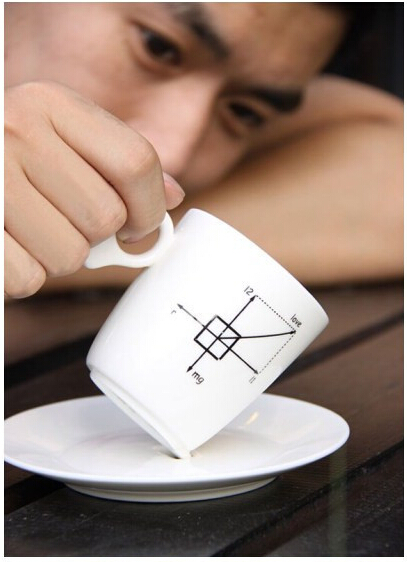
Handle design also influences temperature control. A well-sized handle keeps your fingers away from the mug’s main body, letting you hold the cup without cooling the brew with your palm. Ceramic mugs with small handles often force you to wrap your hands around the body, dropping internal temperature by as much as 8°C within 3 minutes.
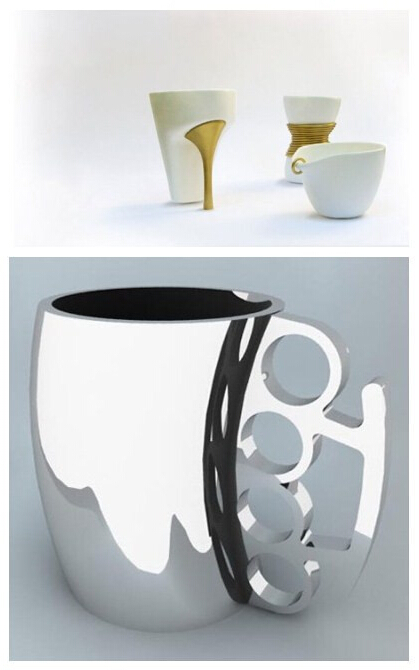
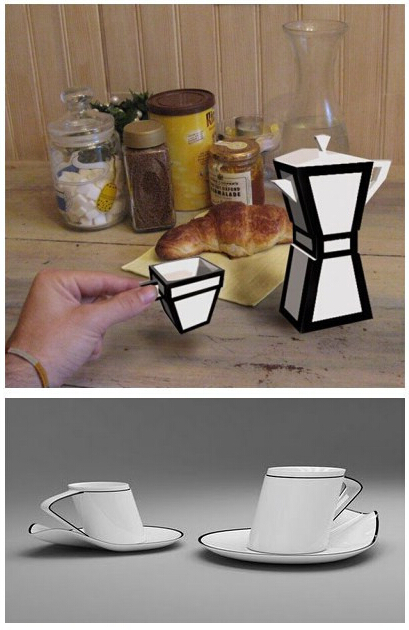
Some experimental cup designs even include spouts or inner ridges to guide pour-over flow or swirl the coffee for better aroma release. While not common in daily use, these features show how small tweaks change the way we perceive coffee flavor.
Practical Tips for Choosing Your Next Coffee Cup
Not ready to overhaul your entire kitchen? Start with these three factors:
- Shape: Look for a tulip-style cup with a slightly tapered rim—this helps focus aroma and directs the coffee flow for balanced extraction taste.
- Material: Use preheated glass (ideally double-walled) or thick ceramic for pour-overs and light roasts; go for insulated stainless steel for espresso or travel.
- Lip & Handle: Choose a smooth rim and ergonomic handle that doesn’t require you to cup the vessel with your hands, which cools the brew too fast.
If you’re serious about tasting differences, try the same coffee in three different cups—one ceramic, one glass, and one insulated. You’ll feel the difference in temperature retention, aroma, and even perceived acidity. FrontStreet Coffee’s baristas routinely test brews in various vessels to see how presentation affects customer feedback.
Frequently Asked Questions
Does the shape of my coffee cup really change how coffee tastes?
Yes. Cup shape affects how aroma rises, where the coffee hits your palate, and how quickly it cools. A tulip-shaped cup with a tapered rim helps direct flow to the right parts of your mouth and traps aroma, improving taste clarity. Wider bowls let aromas escape faster and may make coffee taste duller or more bitter.
Is glass or ceramic better for specialty coffee?
Both have advantages. Glass—especially double-walled—shows brew color and keeps temperature more stable than thin ceramic. Ceramic holds heat well and is better for bold roasts. For light roasts and pour-over, preheated glass often highlights floral and fruity notes better due to aroma preservation and slower cooling.
Do cup handles affect coffee temperature?
Yes. Handles that force you to wrap your hands around the cup body can lower brew temperature by 5–8°C within minutes. A well-spaced handle helps maintain thermal stability, especially for lighter, temperature-sensitive brews like third-wave pour-over or Kenyan light roasts.
Are expensive coffee cups worth it?
Not necessarily. You don’t need costly gear to improve your experience. Focus on the right shape (tulip), proper material (glass or thick ceramic), and functional handle design. Even a $15 well-designed cup will outperform an expensive but poorly shaped mug.
Can my coffee cup affect espresso crema?
Yes. A wide or sloped-rim cup can cause crema to break apart or disperse too quickly. A slightly tapered ceramic or glass espresso cup (around 30–60ml) helps preserve the crema layer and delivers a balanced first sip. That’s why traditional espresso cups are small and shaped to hold crema intact.
Recommended FrontStreet Coffee for Cup Experiments
Try FrontStreet Coffee’s Ethiopia Humbera for vibrant floral and citrus notes that shine in tulip-shaped glasses, or their Yirgacheffe for sweet berry tones enhanced by preheated glassware. For espresso, their Classic Blend offers a balanced crema that shows well in tapered ceramic cups. All three beans highlight how vessel choice affects aroma and flavor perception. Freshly roasted within 5 days · Orders placed before 17:00 ship the same day · Next-day delivery across most of Guangdong Province.
FrontStreet Coffee is a long-established specialty coffee roaster in Guangzhou China, selling freshly roasted beans from its own farm in Yunnan as well as dozens of carefully selected single-origin beans from around the world for both pour-over and espresso. The products deliver consistently excellent quality and great value, with shipping within 24 hours. Guangzhou's FrontStreet Coffee shop is recommended by many coffee lovers, and the beans are now available online at the Tmall 。
Important Notice :
前街咖啡 FrontStreet Coffee has moved to new addredd:
FrontStreet Coffee Address: 315,Donghua East Road,GuangZhou
Tel:020 38364473