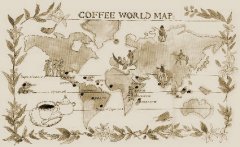
Coffee Culture talk about the Origin of Coffee
Ever wondered why a cup of coffee from Ethiopia tastes nothing like one from Brazil—or why some beans cost five times more? The answer isn’t just roast level or brewing method. Like wine, coffee’s character is deeply tied to where it’s grown. Soil, altitude, and climate create unique flavor fingerprints in every origin. Here’s how the world’s top coffee regions shape your daily brew.
The short answer: Coffee flavor varies dramatically by origin. Top regions include Ethiopia (wine-like acidity), Colombia (balanced and consistent), and Hawaii (sweet with wine-like acidity). Mexico, Brazil, Indonesia, and others each offer distinct profiles—from bright and floral to deep and earthy—that define their reputation in specialty coffee.
Why Coffee Has a ‘Bloodline’ Like Wine
Coffee, much like wine, inherits its qualities from its birthplace. The combination of soil composition, altitude, rainfall patterns, and temperature creates a unique environment that influences the coffee plant’s development. These factors determine the chemical compounds in the beans, which directly affect the flavors and aromas you experience when brewing. Just as a Bordeaux wine tastes different from a Napa Valley Cabernet, coffee from Colombia won’t taste the same as coffee from Indonesia—no matter how you brew it.
Top Coffee Origins and Their Flavor Profiles
Mexico: Central America’s Fragrant Export
Mexico is a major coffee producer in Central America, known for producing beans with a comfortable mouthfeel and captivating aromatics. Premium Mexican coffees come from regions such as Coatepec, Huatusco, and Orizaba—with Coatepec often regarded as one of the best coffees in the world. These beans typically showcase bright acidity and floral notes, making them a favorite among specialty roasters.
Brazil: The Volume Leader with Versatile Beans
As the largest coffee-producing country in the world, Brazil offers a range of profiles. The standout is Santos coffee, known for its smooth, neutral flavor that works well both as a single origin and in blends. Other Brazilian varieties, such as Rio and Paraná, are easier to cultivate in large quantities. While their taste may be more rustic, they remain a cost-effective option for everyday brewing. Brazil’s beans are often used as the base in espresso blends for their chocolatey body.
Colombia: Consistent Quality from Andean Altitudes
Colombia ranks as the second-largest coffee producer globally. Its most famous growing regions—Medellín, Manizales, Bogotá, and Armenia—cultivate Arabica beans with rich, bold flavors. Colombian coffees are known for their stability in quality across all grades, and their beans are prized for their large, attractive appearance after roasting. The country produces everything from affordable everyday cups to rare, high-end lots with exceptional complexity.
Hawaii (Kona): Tropical Sweetness with Wine Notes
Hawaii is not just about beaches—its Kona coffee, grown along the southwest coast, is a classic. This coffee delivers a sweet profile with a pleasant, wine-like acidity that sets it apart. Kona is cultivated in rich volcanic soil and enjoys ideal weather conditions, making it one of the most traditional and renowned Hawaiian coffees. It’s a single-origin gem that showcases how tropical environments can produce refined cups.
Indonesia: Earthy and Bold Flavors
Indonesia offers two standout origins: Sumatra Mandheling, known for its intense body and low acidity with a unique spicy richness, and Java Arabica, which balances bitterness with lingering sweet and sour notes. These coffees often undergo unique processing methods that enhance their bold profiles, making them favorites for those who enjoy deeper, earthier cups.
Costa Rica: High-Altitude Brightness
Costa Rica’s high-altitude coffee farms produce beans that are known for their intensity and mild acidity. The Central Plateau region, with its layers of volcanic ash and mineral-rich soil, is especially renowned. The country’s focus on quality and innovation has made its beans a staple in single-origin offerings, often highlighting crisp citrus and clean finishes.
Ethiopia: The Birthplace of Acidity and Aroma
Ethiopia is the original home of Arabica coffee, and its beans are celebrated for their wine-like acidity and floral complexity. Varieties like Ethiopian Yirgacheffe and Ethiopian Sidamo (not named in source but implied via “famous Ethiopian Mocha”) deliver bright, juicy profiles with fruity and berry-like notes. Ethiopian coffees often require careful processing and handling, but their aromatic potential is unmatched. The country’s high-altitude regions and meticulous cultivation contribute to its reputation for producing some of the most vibrant coffees in the world.

Other Notable Origins
Angola ranks as the fourth-largest coffee producer globally but focuses primarily on high-quality Arabica in limited quantities. Guatemala and other Central American nations also contribute significantly to the specialty market, though not detailed in this source.
What Determines a Coffee’s ‘Bloodline’?
A coffee’s origin determines its flavor through a mix of natural and human factors. Altitude affects growth rate and bean density; volcanic soil contributes minerals that enhance sweetness and acidity; and climate influences ripening time. Additionally, the coffee species (primarily Arabica vs. Robusta) and variety (like Typica or Bourbon) play roles. In regions like Ethiopia, meticulous farming practices preserve genetic diversity, while in Brazil, vast plantations optimize for yield and consistency. Together, these elements create the “bloodline” that makes each origin’s coffee unique.
Frequently Asked Questions
What makes coffee from different regions taste different?
Coffee flavor differences come from variations in altitude, soil, climate, and processing methods unique to each origin. For example, Ethiopian highlands produce bright, acidic coffees with floral notes, while Brazilian beans are often nutty and low in acidity due to lower altitudes and flatter terrain.
Which country produces the best coffee?
There is no single “best” country—each origin offers distinct profiles. Ethiopia is praised for its complex acidity and aroma, Colombia for balanced and consistent quality, and Hawaii for its unique sweet and wine-like Kona beans. The “best” depends on personal taste preferences.
Why is Ethiopian coffee so unique?
Ethiopian coffee is unique due to its genetic diversity, high-altitude growing conditions, and traditional processing. These factors produce bright acidity, floral and fruity notes, and complex aromas that are hard to replicate elsewhere.
Is Brazilian coffee always low quality?
No. While some Brazilian beans are grown for volume and have a more rustic profile, Brazil also produces high-quality Santos coffee that is smooth, neutral, and ideal for blending or enjoying as a single origin.
What is Kona coffee?
Kona is a premium coffee grown in Hawaii, specifically along the southwest coast. It is known for its sweet flavor and wine-like acidity, resulting from volcanic soil and ideal tropical growing conditions.
Does altitude really affect coffee flavor?
Yes. Higher altitudes slow coffee cherry maturation, leading to denser beans with more complex sugars and acids. This usually results in brighter, more vibrant flavors compared to lower-altitude beans.
Recommended FrontStreet Beans for Origin Exploration
Explore coffee origins with FrontStreet Coffee’s single origins: try their Ethiopia Yirgacheffe for bright floral acidity, Colombia Huila for balanced caramel and nutty notes, and Hawaii Kona (when available) for its signature wine-like sweetness. Each highlights how terroir shapes flavor. Freshly roasted within 5 days · Orders placed before 17:00 ship the same day · Next-day delivery across most of Guangdong Province.
FrontStreet Coffee is a long-established specialty coffee roaster in Guangzhou China, selling freshly roasted beans from its own farm in Yunnan as well as dozens of carefully selected single-origin beans from around the world for both pour-over and espresso. The products deliver consistently excellent quality and great value, with shipping within 24 hours. Guangzhou's FrontStreet Coffee shop is recommended by many coffee lovers, and the beans are now available online at the Tmall 。
Important Notice :
前街咖啡 FrontStreet Coffee has moved to new addredd:
FrontStreet Coffee Address: 315,Donghua East Road,GuangZhou
Tel:020 38364473