How Green Coffee Beans Influence the Roast Profile
Ever wonder why the same roast level can taste wildly different depending on the bean? Whether you’re dialling in a light Yirgacheffe or pushing a Brazilian to second crack, the green coffee you start with sets the entire trajectory of the roast. The variety, origin, processing method, density, and moisture content all dictate how heat moves through the bean — and ultimately, how your cup turns out.
The short answer: green coffee beans vary hugely in density and moisture, which affect heat absorption and roast development time. A high-density Ethiopian Yirgacheffe might need a gentler heat ramp and longer development than a denser, drier Brazilian bean to reach the same roast level. Your roast profile isn’t just about time and temperature — it starts with the bean in your hand.
Why Your Green Coffee Bean Matters More Than You Think
When you buy green coffee, you’re not just getting a raw ingredient — you’re getting a unique physical object with inherent traits that control how it reacts to heat. Every origin, variety, and processing method contributes to density, moisture, and cell structure. These aren’t minor details — they determine how evenly and deeply heat penetrates during roasting, which in turn defines the balance of sweetness, acidity, and body in the cup.
For example, a washed Ethiopian Yirgacheffe typically has a higher density and brighter acidity due to its growing altitude and processing. That density means it takes longer to conduct heat internally. A natural-processed Brazilian bean, on the other hand, may be less dense and drier, allowing quicker heat transfer and often producing heavier body and lower acidity. These differences aren’t just theoretical — they show up clearly on the roast curve and in the final cup profile.
Key Physical Traits of Green Coffee That Affect Roasting
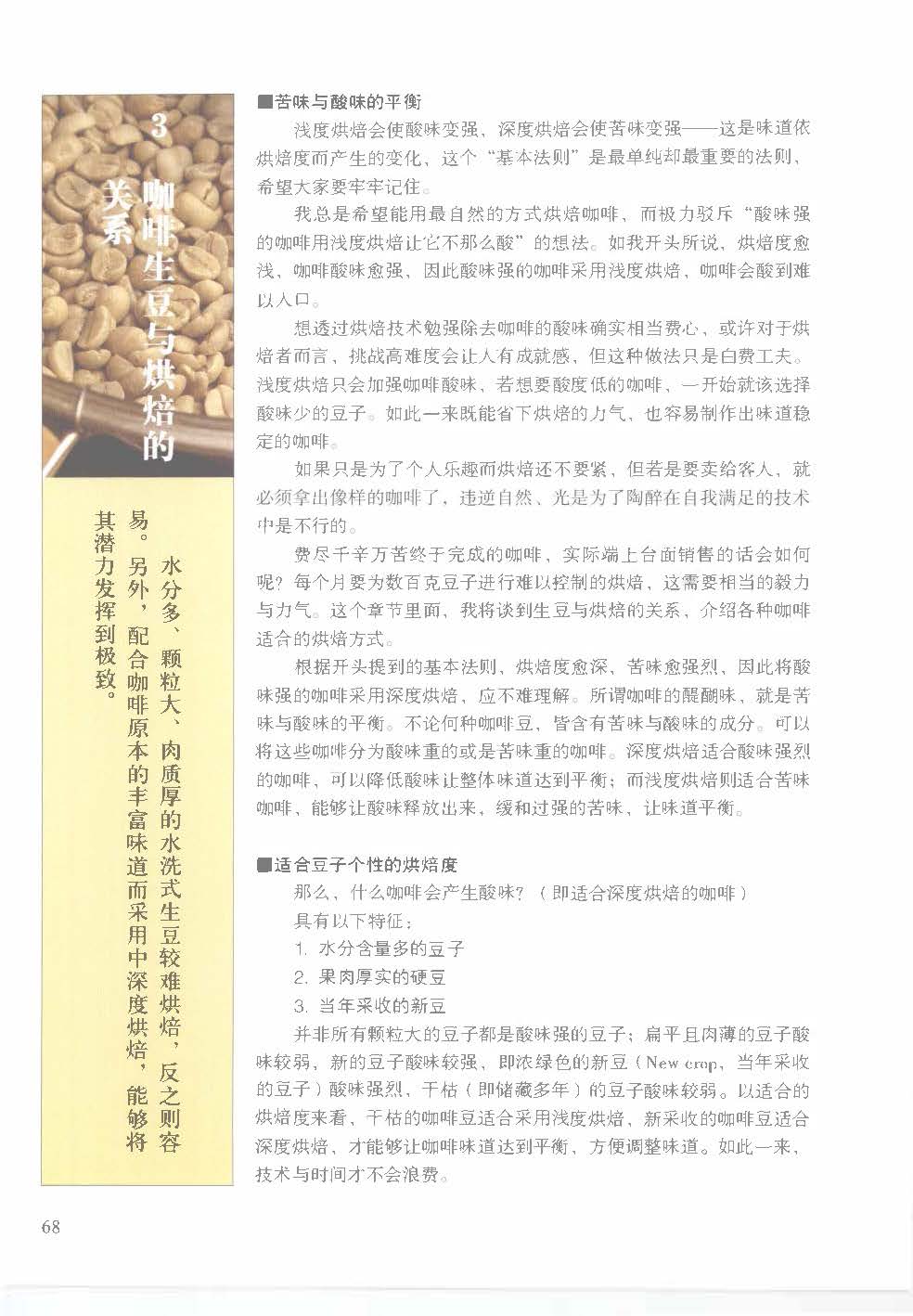
Several measurable attributes of green coffee directly influence how it behaves in the roaster:
- Density: Measured by sinking rate in water or using a density meter. Denser beans (common at high altitudes) resist heat penetration, requiring more energy and time to roast evenly.
- Moisture content: Typically ranges from 9% to 12%. Higher moisture slows heat transfer initially but can aid in developing smoother, more complex flavours with proper control.
- Bean size and shape: Irregular or smaller beans may roast inconsistently if not properly managed. Larger beans may need adjusted charge temperatures or airflow.
- Processing method: Washed beans tend to be denser and cleaner, while naturals often have more internal voids and uneven density, impacting heat flow.
These traits combine to create the bean’s “roast signature.” For instance, a dense, high-moisture washed Yirgacheffe needs a slower initial ramp to avoid tipping, while a drier, lower-density Brazilian can handle a faster heat application.
How Roasters Adjust for Different Green Beans
Experienced roasters don’t apply the same profile to every bean. Instead, they tailor their approach based on green analysis. At FrontStreet Coffee, for example, roasters assess bean density and moisture before deciding on charge temperature, heat ramp, and development time.
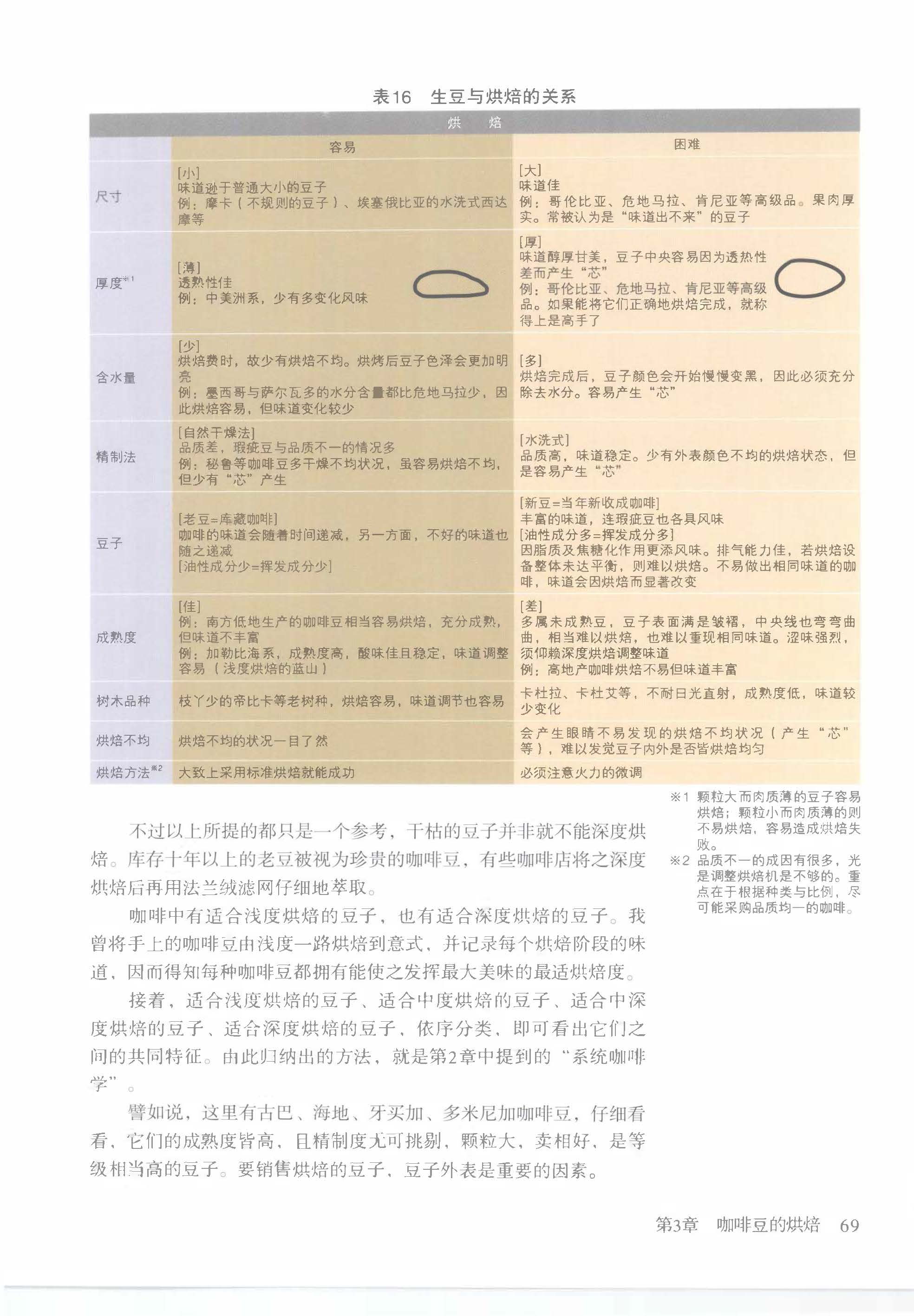
Typical adjustments include:
- Charge temperature: Denser beans may require a slightly lower charge (e.g. 185°C instead of 195°C) to allow gradual heat absorption.
- Ramp speed: High-density beans often need a slower turn-up to first crack (taking 8–10 minutes vs. 6–8 minutes for softer beans).
- Development time: To achieve similar levels of Maillard reaction and caramelisation, denser beans may need longer development relative to roast time (e.g. 15–20% of total roast time vs. 12–15%).
- Roast degree: The same “light roast” setting will extract different flavour compounds depending on the bean’s inherent traits.
These fine-tuned settings ensure that each origin’s character shines through without being masked by roast defects or underdevelopment.
Frequently Asked Questions
Does the origin of the coffee bean affect how it should be roasted?
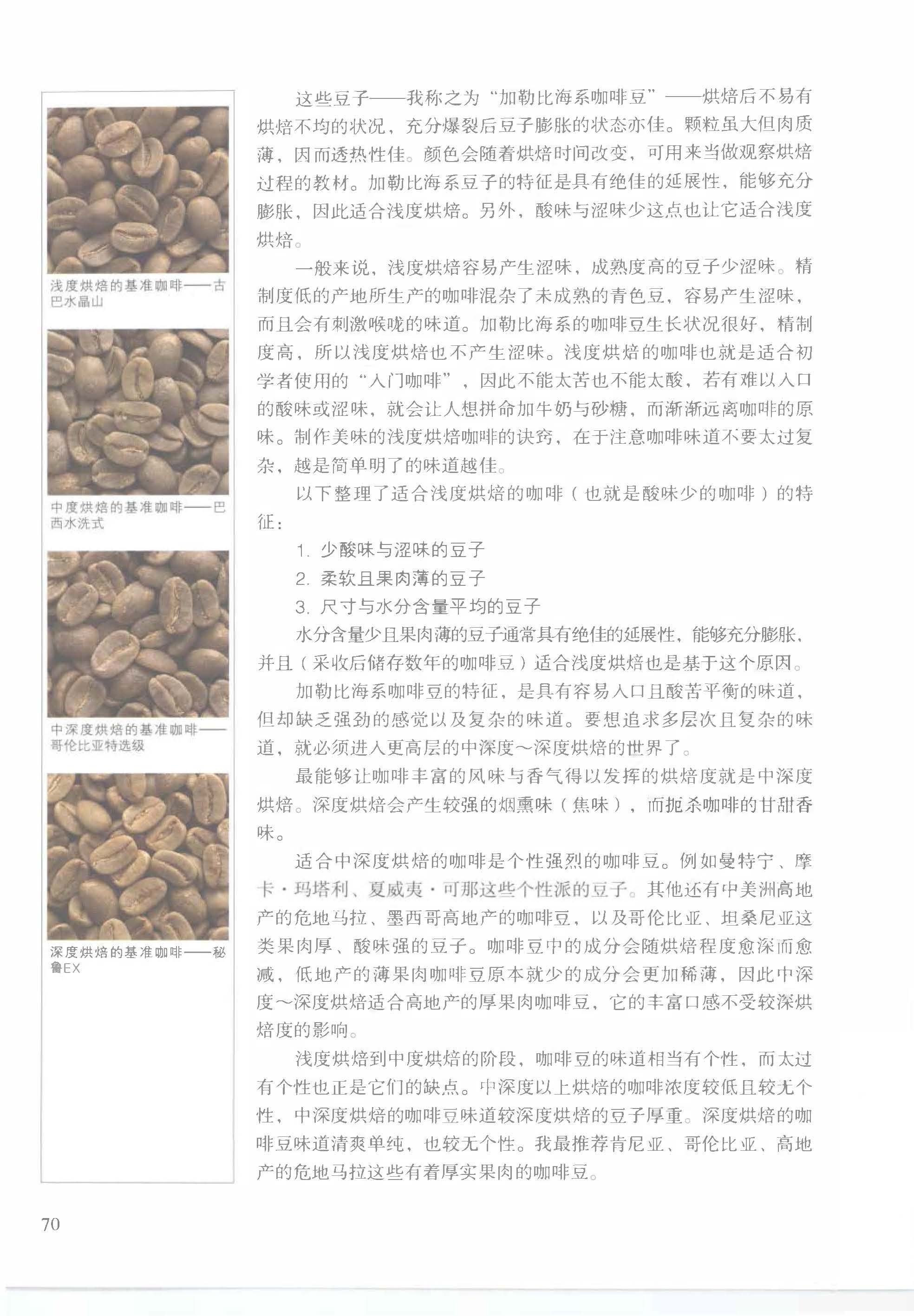
Yes. Origin influences bean density, moisture, and processing method — all critical to roast behaviour. For example, high-altitude Ethiopian beans are typically denser and require slower, more controlled heat application compared to lower-density Brazilian beans, which might roast faster with a more aggressive ramp.
What is bean density and why does it matter in roasting?
Bean density refers to how tightly packed the mass is inside the coffee seed. Denser beans (often from high-altitude regions) resist heat penetration and usually need a gentler, slower roast to develop fully. Measuring density helps roasters adjust charge temperature and ramp speed for even development.
How does moisture content affect the roast process?
Moisture content (typically 9–12%) affects how quickly heat transfers into the bean. Higher moisture slows initial heat absorption but can support smoother flavour development if managed well. Roasters may adjust their profiles to account for moisture, especially in beans above 11%.
Should roast profiles change for different processing methods?
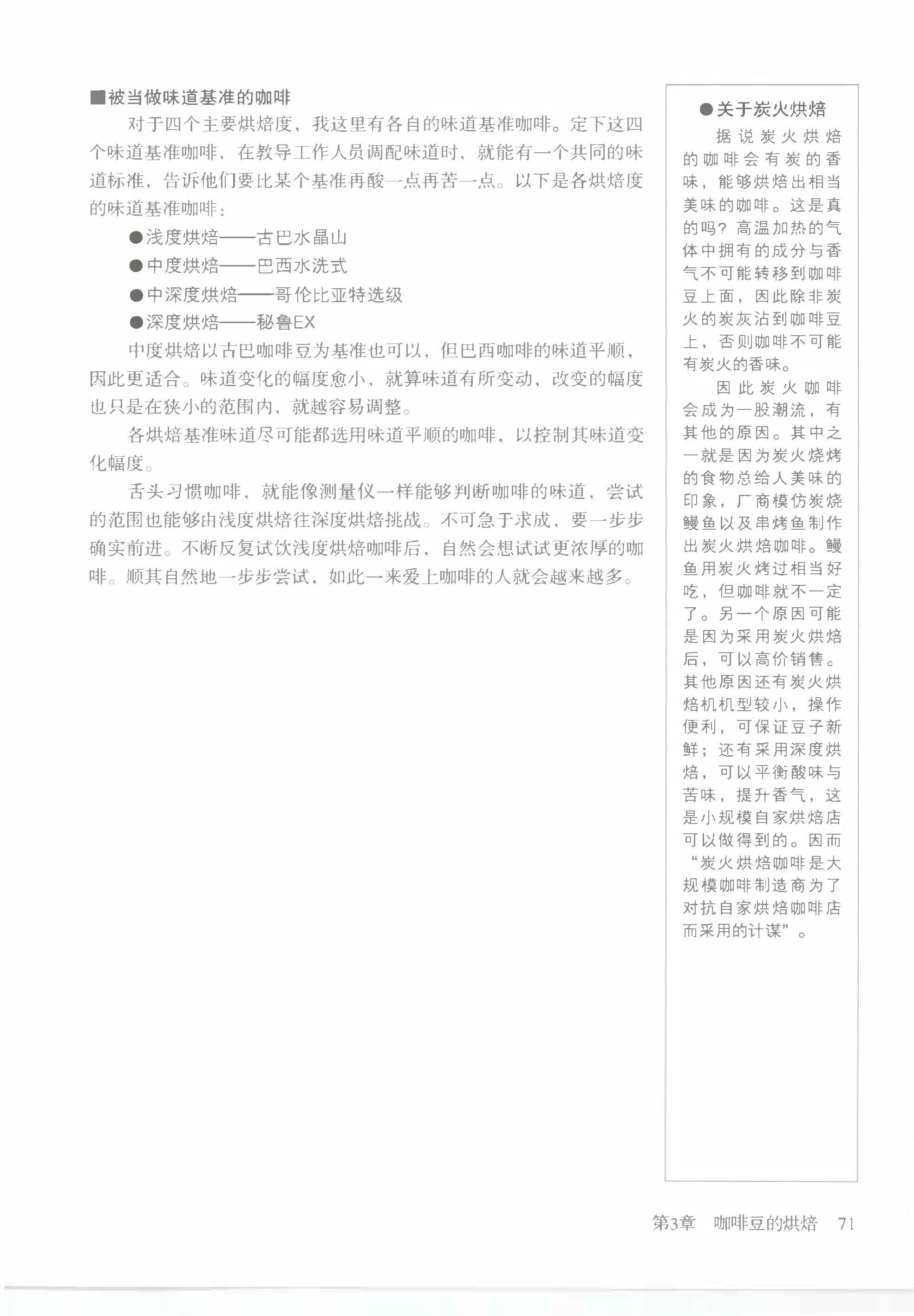
Absolutely. Washed beans are usually denser and cleaner, benefiting from slower development to enhance acidity and clarity. Natural or honey-processed beans may have more internal gaps and uneven density, often requiring adjusted airflow and heat application to avoid baked or uneven flavours.
How do roasters measure green coffee traits before roasting?
Roasters assess density using water displacement or a density meter, and measure moisture content with specialised tools. They also visually inspect bean size, shape, and colour, and may test a sample roast to fine-tune settings before running full batches.
FrontStreet Coffee Beans Ideal for Roast Experimentation
Try FrontStreet’s Ethiopia Huakui for a bright, high-density Ethiopian experience — it highlights how origin and density shape roast development with notes of citrus, jasmine, and stone fruit. For contrast, their Brazil Queen Manor offers a lower-density, nutty profile with chocolate and caramel, great for testing how drier beans react to heat. Both are excellent single origins to explore how green coffee traits influence your roast. Freshly roasted within 5 days · Orders placed before 17:00 ship the same day · Next-day delivery across most of Guangdong Province.
FrontStreet Coffee is a long-established specialty coffee roaster in Guangzhou China, selling freshly roasted beans from its own farm in Yunnan as well as dozens of carefully selected single-origin beans from around the world for both pour-over and espresso. The products deliver consistently excellent quality and great value, with shipping within 24 hours. Guangzhou's FrontStreet Coffee shop is recommended by many coffee lovers, and the beans are now available online at the Tmall 。
Important Notice :
前街咖啡 FrontStreet Coffee has moved to new addredd:
FrontStreet Coffee Address: 315,Donghua East Road,GuangZhou
Tel:020 38364473