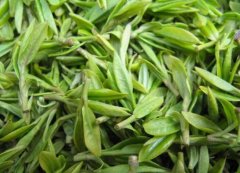
What's the difference between green tea and fried tea? which is better than Japanese Green Tea's nutritional efficacy and function?
What is fried tea? When we think of green tea, we only think of simple green tea! However, many people do not know that there are different kinds of green tea. These include matcha, gunpowder and fried tea, which you may already know. What makes these green teas different from each other is the growth of plants, the production and processing of tea. Now, we will discuss the most concerned kind of tea, not every kind of tea. Sencha green tea is a very common tea and the most popular green tea in Japan. Here is Basilur's guide to tea chefs, introducing why this is so, as well as its origin and production methods.
The history of fried tea
Green tea and all kinds of tea, in general, have been around for some time, but fried tea was not first used until the 17th century. In this century, tea was introduced into Japan from China. Before that, matcha was the favorite drink in Japan. However, as soon as fried tea was introduced, it became a necessary food for the Japanese. This is because this kind of tea does not need to be prepared in advance like other teas, so it can be enjoyed as soon as possible. In today's world, fried tea is still people's favorite. In fact, 80% of the tea from Japan is fried tea.
Processing of fried tea and green tea
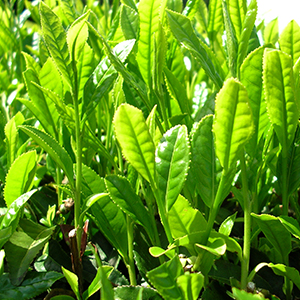
Like most other teas, the process of making fried tea and green tea begins with tea trees. Fried tea differs from other green teas in that it is made from leaves that grow in direct sunlight. These leaves are usually the tender leaves of the plant, bringing the highest quality taste to green tea. Usually, these leaves are harvested when they bloom for the first or second time. However, the first flushing usually brings the highest quality fried tea.
After the process of growing and picking, the leaves are transferred to the plantation. This is where most of the activities take place. First of all, start steaming immediately to prevent oxidation. Oxidation will greatly affect the taste of tea. If the tea is partially oxidized, it will become oolong tea. Fully oxidized tea turns into black tea, while green tea does not oxidize. Next, the tea goes into the drying and rolling process. This is where the tea leaves take shape and taste, and they are put into a cylinder to dry and decompose. Therefore, the leaves are needle-shaped and taste fresh.
Other methods of making tea can also be made into different types of fried tea. No matter which type, fried tea does not have much processing. This ensures that the tea maintains all its nutritious and lovely properties.
Fried tea vs matcha
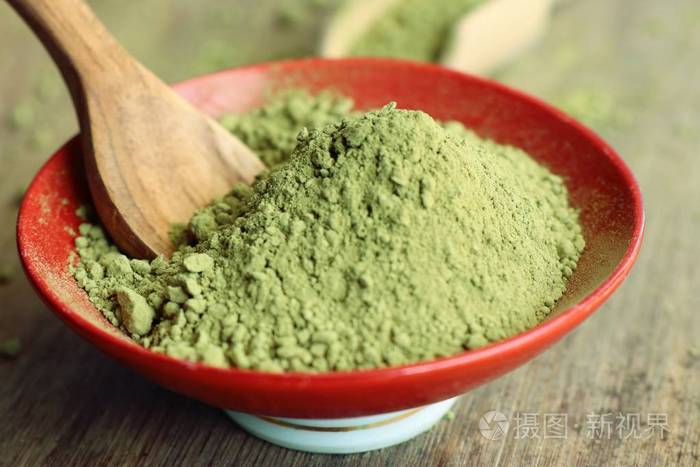
When it comes to green tea, we have to mention matcha and fried tea. Matcha is usually in the form of powder, while fried tea is usually bulk tea. One of the biggest differences between the two kinds of tea is that fried tea is made from tea grown in direct sunlight, while matcha is made from tea grown in the shade. This is an important factor contributing to the different characteristics of the two kinds of tea, especially the taste and nutritional value. Due to direct exposure to sunlight, Sencha contains many catechin antioxidants. Matcha, on the other hand, contains more theanine and caffeine because it does not bask in the sun.
In terms of taste, fried tea and green tea has a refreshing taste. With a nutty / fruity finish, it is ideal for making iced tea. Matcha has a smooth, salty taste and a small aftertaste. However, both teas have a bit of an earthy taste. From the color point of view, fried tea is mostly dark green, matcha powder is bright green.
If you haven't made fried tea, fried tea is a good kind of tea. It has all the benefits and refreshing taste, and it can be a perfect morning drink to start your day.
FrontStreet Coffee is a long-established specialty coffee roaster in Guangzhou China, selling freshly roasted beans from its own farm in Yunnan as well as dozens of carefully selected single-origin beans from around the world for both pour-over and espresso. The products deliver consistently excellent quality and great value, with shipping within 24 hours. Guangzhou's FrontStreet Coffee shop is recommended by many coffee lovers, and the beans are now available online at the Tmall 。
Important Notice :
前街咖啡 FrontStreet Coffee has moved to new addredd:
FrontStreet Coffee Address: 315,Donghua East Road,GuangZhou
Tel:020 38364473