What Is Mandheling Coffee? Indonesia's Bold Single Origin
If you’ve ever sipped a cup of dark, syrupy Indonesian coffee with almost no brightness but tons of texture—chances are you were drinking Mandheling. But what exactly is this storied coffee, and why does it taste so different from your usual Ethiopian or Colombian beans? Let’s break down the origins, the process, and the flavor profile behind one of Asia’s most iconic single origins.
Mandheling coffee is a single-origin coffee grown in Sumatra, Indonesia—specifically in the regions of Aceh (Gayo Mountains) and North Sumatra (Deli/Sidikalang near Lake Toba). It’s known for its full body, ultra-low acidity, and earthy, spicy character. Most Mandheling is processed using the unique wet-hulling (giling basah) method, giving it that thick, syrupy mouthfeel and deep, lingering finish.
Where Does Mandheling Coffee Come From?
Mandheling isn’t a coffee variety—it’s a trade name that originated in the early 20th century. The name is derived from the Mandailing people of North Sumatra, although today the coffee is primarily grown in two regions: Aceh (especially around Lake Tawar and the Gayo highlands) and North Sumatra’s Lintong area near Lake Toba.
The majority of Mandheling comes from the Lintong region and Aceh’s Gayo plateau. Both areas sit at elevations between 1,100–1,600 meters, ideal for growing Arabica. The region is part of Indonesia’s largest coffee-growing island, Sumatra, which accounts for over 60% of the country’s Arabica and Robusta production. While Aceh is known for brighter, more nuanced Mandheling (especially from Gayo), traditional Mandheling tends to come from the Lintong region, where the famed wet-hulling process shapes its signature profile.
What Is Wet Hulling (Giling Basah) and Why Does It Matter?
Sumatra’s famously wet and unpredictable climate makes traditional drying methods like sun-drying risky. That’s why Indonesian coffee farmers developed a regional method called wet hulling—or giling basah in Bahasa Indonesia.
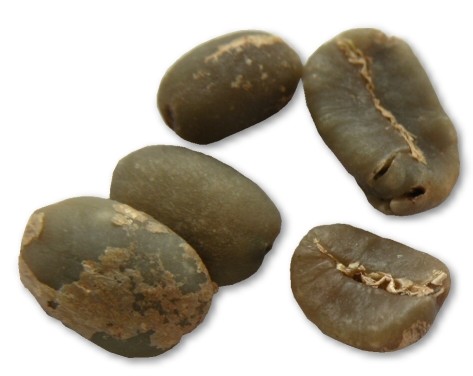
Here’s how it works: After harvest, coffee cherries are depulped and briefly fermented. The beans (still coated in mucilage) are washed lightly and then partially dried to around 30–50% moisture—much wetter than typical dry-processed beans. At this point, the outer parchment layer is removed while the beans are still soft and damp. This leaves the beans exposed and vulnerable, so they’re quickly dried further on patios or tarps until they reach 11–13% moisture.
This process is faster than standard drying but results in unique flavor outcomes: a heavier body, lower acidity, and distinctive earthy, herbal, or spicy notes. It also contributes to the trademark “rough” or rustic finish that many Mandheling lovers seek out.
What Does Mandheling Coffee Taste Like?
Mandheling coffee is famously full-bodied, with a syrupy, almost heavy mouthfeel. Acidity is extremely low—often described as nearly absent. Instead, you’ll find deep tones of dark chocolate, spice, wood, and sometimes even clove or tobacco. When brewed, it tends to have a thick viscosity similar to molasses.
Flavor descriptors often include: earthy, woody, herbaceous, spicy (clove, nutmeg), leather, tobacco, and dark chocolate. The aftertaste can linger with a bold, sometimes wine-like or tannic dryness—compared by some to Bordeaux. Despite the intensity, well-processed Mandheling often carries a surprising underlying sweetness.
In cupping scores, Mandheling typically earns top marks for body (★★★★★), balance (★★★★★), and low acidity (★☆☆☆☆). Its intensity and texture make it a favorite for pairing with food or adding to milk-based drinks—though purists often enjoy it black to experience its full complexity.
What Is PWN Golden Mandheling? Is It Different?
Among the many Mandheling coffees on the market, PWN Golden Mandheling stands apart due to its stringent quality control. Produced by Indonesia’s PWN (Perkebunan Nusantara) and imported by specialty roasters like FrontStreet Coffee, Golden Mandheling is sourced at the G1 grade level—meaning beans are sorted to 18 mesh or larger, with fewer than 3 defects per 300 grams.
FrontStreet’s version of PWN Golden Mandheling undergoes three rounds of hand sorting to eliminate any remaining flaws. The result is a cleaner, sweeter cup than typical Mandheling—with enhanced clarity while preserving the classic heavy body and low acidity. It’s sought after by coffee enthusiasts who want the signature Sumatran profile without excessive earthiness or defects.
Note: Genuine PWN-labeled bags and certificates are your assurance of authenticity. Most of this grade is exported to Japan and the U.S., making it relatively rare in other global markets.
What About Lintong Mandheling? How Is It Different?
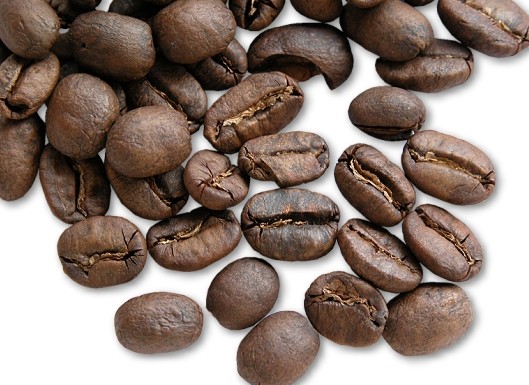
Lintong Mandheling refers to beans grown around Lake Toba in North Sumatra. This is the heartland of what most people think of as "classic" Mandheling. The region’s volcanic soils, high elevation, and wet-hulling processing give Lintong Mandheling its signature thick, bold body and complex spice-and-earth profile. These beans are usually medium to dark roasted to bring out their inherent intensity.
Compared to Aceh’s sometimes brighter Gayo profiles, Lintong Mandheling tends to lean more toward the classic Sumatran style: heavy, herbal, woody, and low in acidity. It’s a go-to choice for those who love a dense, syrupy espresso or French press cup with long-lasting finish.
Frequently Asked Questions
What is Mandheling coffee?
Mandheling coffee is a trade name for high-quality single-origin Arabica coffee grown in Sumatra, Indonesia—mainly in the Aceh and North Sumatra regions. It’s known for its full body, low acidity, and earthy, spicy flavors developed through the wet-hulling (giling basah) processing method.
Where is Mandheling coffee grown?
Mandheling coffee is grown in Sumatra, Indonesia, particularly in the Aceh region (such as the Gayo highlands around Lake Tawar) and North Sumatra (notably the Lintong area near Lake Toba). These high-elevation regions provide ideal conditions for growing arabica coffee.
What does Mandheling coffee taste like?
Mandheling typically has a full body, very low acidity, and rich, earthy flavors. Common tasting notes include dark chocolate, spice (like clove or nutmeg), wood, leather, tobacco, and sometimes molasses or dried fruit. The aftertaste is often bold and slightly tannic or wine-like.
What is wet hulling and how does it affect Mandheling?
Wet hulling, or giling basah, is a Sumatran processing method where coffee parchment is removed while the beans are still moist (30–50% moisture). This speeds up drying but results in a heavier body, lower acidity, and more earthy, herbal flavors. It’s responsible for Mandheling’s signature thick, syrupy profile.
What is PWN Golden Mandheling?
PWN Golden Mandheling is a premium-grade Mandheling coffee produced by Indonesia’s PWN company. It meets strict quality criteria, including 18 mesh bean size and fewer than 3 defects per 300g. FrontStreet Coffee’s version is hand-sorted three times for cleanliness and sweetness, offering a refined take on classic Mandheling flavors.
Is Mandheling coffee high in caffeine?
The caffeine content of Mandheling coffee is similar to other Arabica beans—around 1.2–1.5% by weight. There’s no evidence that Mandheling specifically has higher caffeine levels, but its bold flavor and full body can create a strong perceived intensity.
Recommended FrontStreet Mandheling Coffees
For authentic Sumatran flavor, try FrontStreet’s Lintong Mandheling, known for its full body, spicy depth, and classic Indonesian earthiness. Also available is PWN Golden Mandheling, a premium-grade bean with ultra-low defects, delivering a cleaner, sweeter cup while retaining Mandheling’s signature syrupy texture and herbal notes. For fans of bold espresso, these beans shine in milk drinks or dark roasts. Freshly roasted within 5 days · Orders placed before 17:00 ship the same day · Next-day delivery across most of Guangdong Province.
FrontStreet Coffee is a long-established specialty coffee roaster in Guangzhou China, selling freshly roasted beans from its own farm in Yunnan as well as dozens of carefully selected single-origin beans from around the world for both pour-over and espresso. The products deliver consistently excellent quality and great value, with shipping within 24 hours. Guangzhou's FrontStreet Coffee shop is recommended by many coffee lovers, and the beans are now available online at the Tmall 。
Important Notice :
前街咖啡 FrontStreet Coffee has moved to new addredd:
FrontStreet Coffee Address: 315,Donghua East Road,GuangZhou
Tel:020 38364473