Nestle has a new product?! What is coffee peel tea?
▲
Click follow | Daily boutique coffee culture magazine coffee workshop
In July this year, Nestl é attended the "third Yunnan Coffee Flavor Map 2023" held in Shanghai. During the event, Nestle Coffee's "peel tea" product was unveiled in the Chinese market for the first time. What is refreshing is that in addition to the traditional coffee beans, the coffee giant has turned the untapped potential of the "coffee raw material" coffee peel into a "new species of coffee" with economic value.
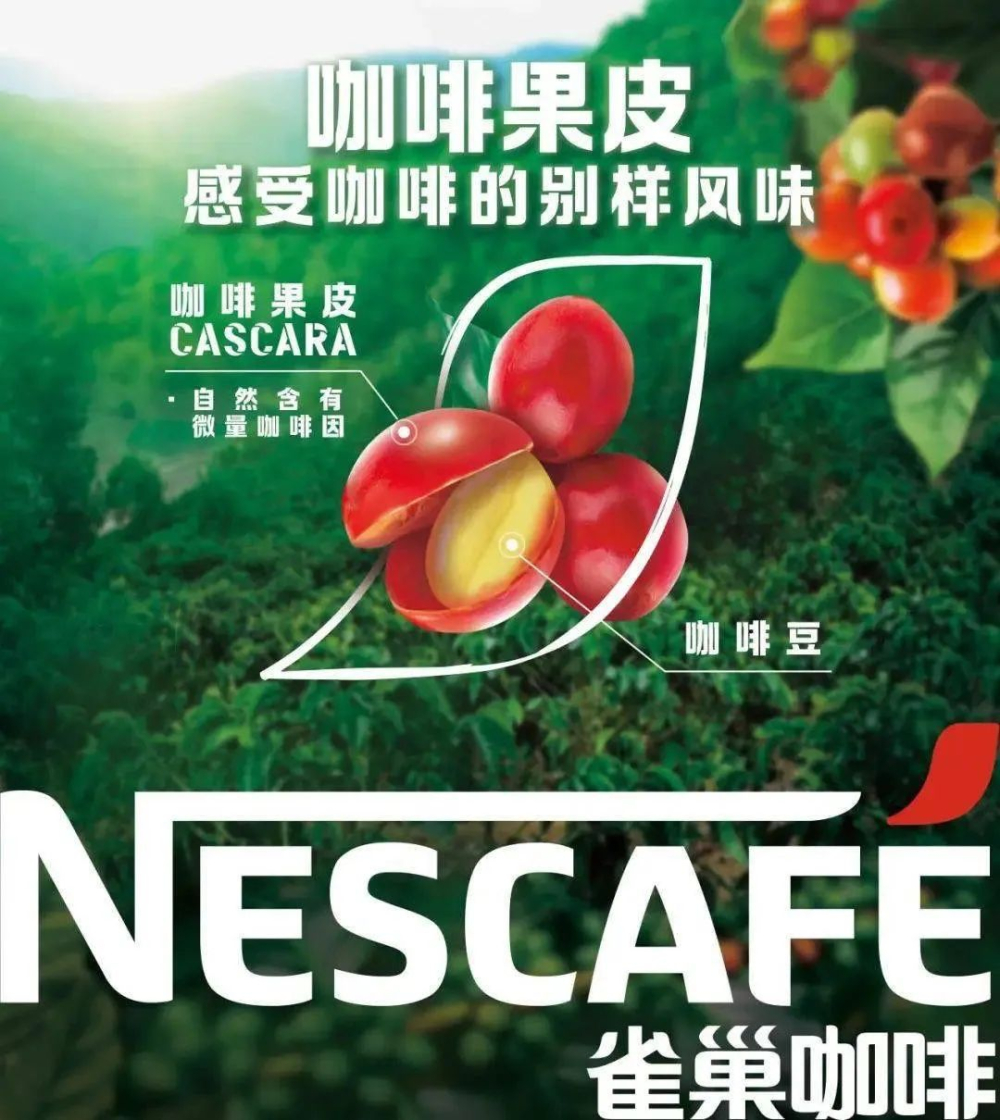
In this Yunnan coffee flavor map activity, Nestl é launched a new species of coffee-"peel tea" (Cascara). So, what exactly is coffee peel tea?
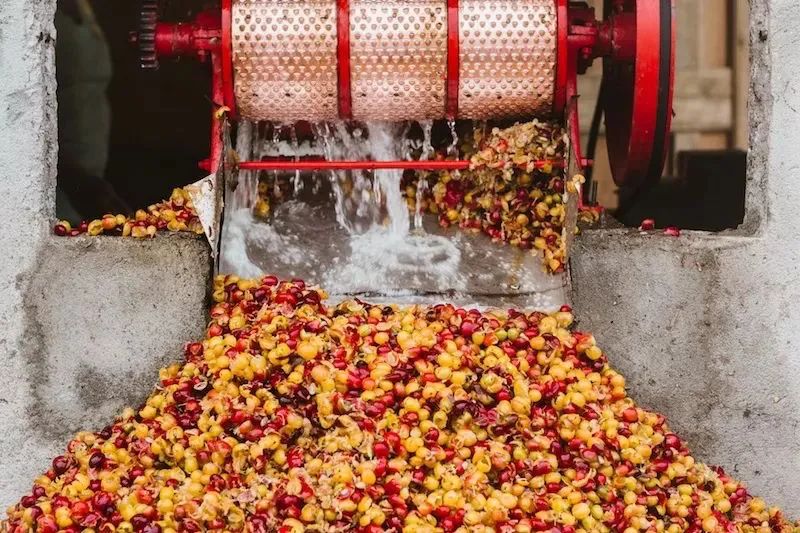
The coffee we usually drink is made from the seeds of the coffee fruit (coffee beans) which are processed to remove the pulp and peel, and then baked. Coffee peel tea is formed by drying the peel removed during the actual treatment of coffee fruit. In the past, it was considered a kind of waste, but after being insolated / dried and boiled, it was transformed into a magical drink. It is a by-product of coffee production, but it tastes like tea, so it is called peel tea.
The inventor of modern coffee peel tea is Aida Batlle, a coffee grower from El Salvador. It is said that Batlle accidentally tried to brew the abandoned peel during a cup test and finally decided to name it "Cascara" (which means "skin" or "shell" in Spanish).
Coffee peel tea has a long drinking history in some foreign places, and it is a popular drink in some areas. For centuries, coffee farmers in Yemen and Ethiopia have dried and brewed coffee peels and added spices such as ginger, nutmeg or cinnamon, which are called Hashara in Ethiopia and Qisher in Yemen.
At the booth, Nestle Coffee launched a special series of coffee peels with a total of four flavors, which were named "Mei Mei Tango", "Meilong Guiyu", "Mountain tipsy" and "Fruit Flower language". The ingredients for making drinks include raw syrup made from coffee peel, syrup, and concentrate already made from tea.

However, at present, the drinks of coffee peel series are still in the development and experimental stage, the time of launch of coffee peel series products is not clear, and it is not sure what form (instant, instant beverage, entry into restaurant drinks, etc.) will be introduced to the market.
Nestl é still has a lot of difficulties with the new coffee peel series, said Alfonso Troisi, senior vice president of Nestl é Greater China Coffee Business Unit. "the difficulty is not the product technology, but how to build consumer awareness of the peel tea."

Turning the undiscovered "treasure raw material" coffee peel into a commodity of economic value will greatly improve the utilization rate of coffee and bring new business opportunities to Nestle coffee. Next, we can look forward to what new experience Nestle Coffee will bring to consumers with the use of coffee peel products.
Disclaimer: some of the pictures in this article come from the network, and some of the contents of the website, such as pictures, we will respect the origin of the original copyright, but due to the large number, there will be individual pictures and texts not in time to indicate, please forgive me. If the original author has any disputes can contact the website to deal with, once verified we will immediately correct, by the "coffee workshop" collation and editing, reprint please indicate, if infringement, please inform deletion, thank you ~!
FrontStreet Coffee is a long-established specialty coffee roaster in Guangzhou China, selling freshly roasted beans from its own farm in Yunnan as well as dozens of carefully selected single-origin beans from around the world for both pour-over and espresso. The products deliver consistently excellent quality and great value, with shipping within 24 hours. Guangzhou's FrontStreet Coffee shop is recommended by many coffee lovers, and the beans are now available online at the Tmall 。
Important Notice :
前街咖啡 FrontStreet Coffee has moved to new addredd:
FrontStreet Coffee Address: 315,Donghua East Road,GuangZhou
Tel:020 38364473