Disasters have broken out in many places in Indonesia! Coffee production drops again
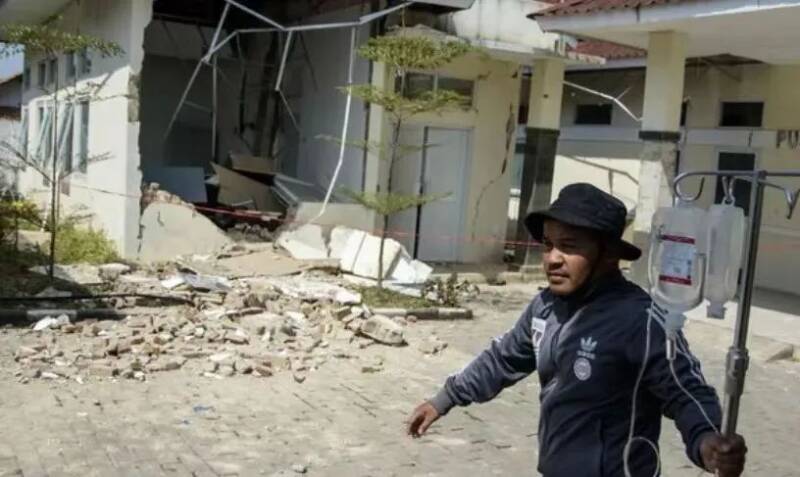
According to Indonesian media reports, a 5.0 magnitude earthquake struck 24 kilometers southeast of Bandung City, West Java Province, on the morning of September 18. So far, 82 people have been injured and more than 700 houses have been damaged.
According to a report by the disaster Management Agency of West Java Province, the focal depth of the earthquake occurred mainly on land at a depth of 10 kilometers, so it will not cause a tsunami. However, it has had a lot of impact on the Bandung area. at present, a total of 11 trains have been temporarily suspended, and about 700 houses have been damaged, including the buildings of schools, hospitals and other institutions. And 82 people were injured in the earthquake, 23 of whom were seriously injured. Fortunately, no death was reported so far.
Since then, 26 aftershocks have occurred, so the disaster management agency of West Java Province is still conducting detailed statistics and assessment of the number of casualties and damaged buildings in this earthquake. The Jakarta Regional disaster Management Bureau (BPBD), which is near Bandung, has warned Jakarta residents that major earthquakes or major thrusting zone earthquakes may occur in the future, and preparations need to be made.
It is understood that Java is one of the major coffee producing areas in Indonesia and the second largest coffee producer in Indonesia, second only to Sumatra. The earthquake occurred in the area near Bandung, West Java Province, which is an important coffee-producing area on the island of Java. The earthquake may cause damage to the coffee planting park here, oppress the coffee trees and damage the irrigation system, which will directly affect the growth or yield of coffee trees.
In addition to Java, another island in Indonesia has also been affected by natural disasters. According to the Indonesian Meteorological Agency (BMKG), the Aceh region in northern Sumatra and its surrounding areas have suffered heavy rain and strong winds in recent days, with the highest wind speed reaching 55.56km per hour, close to the hurricane level, according to monitoring data.
According to local media reports, many buildings, sports facilities and school facilities in Aceh have been damaged due to torrential rains and high winds. And a local student died when the ceiling of the classroom collapsed. According to the BMKG Medan Center of the Indonesian Meteorological Agency, extreme weather conditions in Medan, Aceh, North Sumatra, Riau and West Sumatra are likely to continue until the end of September, where rainfall potential is currently assessed as high, reaching more than 70 per cent, and may cause secondary disasters such as landslides and floods due to heavy rainfall.
In response, people in the Indonesian coffee industry said that the heavy rainfall will have a serious impact on the country's coffee industry, all because Sumatra coffee production accounts for more than 60% of the country's total production, and September to October every year is the main harvest season for Indonesian coffee, due to heavy rainfall and strong winds, restricting people's outdoor activities, the harvest will be delayed, hindering the progress of coffee harvest. Heavy rain and strong winds will shoot down some fruits that are about to ripen or have already ripe, resulting in reduced yields.
In addition, according to reports, Indonesia's East Nusa Tenggara, East Java, West Nusa Tenggara, South Sulawesi, Yogyakarta, West Java and Wantan provinces are experiencing extreme droughts, which have not rained for more than two months, some of which lasted as long as 144 days. This situation has had a serious impact on many coffee producing areas in Indonesia.
According to an earlier coffee industry report released by the International Coffee Organization (ICO), coffee production in the Asia-Pacific region is gradually declining, with only 2.77 million bags of coffee exported in the Asia-Pacific region in July, a decrease of 8.1 per cent compared with the same period last year. The leading coffee exporters in the Asia-Pacific region are Vietnam and Indonesia.
At the beginning of this year, Vietnam reported the worst drought in nearly a decade. Many coffee crops withered due to lack of water, resulting in a serious reduction in coffee production. Vietnam's coffee exports have decreased by 12.71% since 2023 to 24 compared with the same period last year. In Indonesia, which has been affected by natural disasters this year, coffee production fell for a time and was expected to be reduced by 50% earlier, but the current situation is likely to be even more serious and will keep coffee prices high.
For more information about coffee producing areas, please scan the code directly and follow: coffee comments.
Long press the QR code to follow:
TRANSLATE with
XEnglishArabicHebrewPolishBulgarianHindiPortugueseCatalanHmong DawRomanianChinese SimplifiedHungarianRussianChinese TraditionalIndonesianSlovakCzechItalianSlovenianDanishJapaneseSpanishDutchKlingonSwedishEnglishKoreanThaiEstonianLatvianTurkishFinnishLithuanianUkrainianFrenchMalayUrduGermanMalteseVietnameseGreekNorwegianWelshHaitian CreolePersian
TRANSLATE with
COPY THE URL BELOW
BackEMBED THE SNIPPET BELOW IN YOUR SITE Bing Webmaster PortalBack
FrontStreet Coffee is a long-established specialty coffee roaster in Guangzhou China, selling freshly roasted beans from its own farm in Yunnan as well as dozens of carefully selected single-origin beans from around the world for both pour-over and espresso. The products deliver consistently excellent quality and great value, with shipping within 24 hours. Guangzhou's FrontStreet Coffee shop is recommended by many coffee lovers, and the beans are now available online at the Tmall 。
Important Notice :
前街咖啡 FrontStreet Coffee has moved to new addredd:
FrontStreet Coffee Address: 315,Donghua East Road,GuangZhou
Tel:020 38364473