Why Coffee Hasn’t Taken Off in China
In a country where tea has reigned supreme for centuries, coffee remains a niche drink—despite decades of global popularity. You see coffee shops everywhere, yet most Chinese still default to instant or sweetened drinks. So why hasn’t coffee become mainstream in China like it has in the West or Japan?
The short answer: coffee faces seven major hurdles in China—subjective taste standards, ingrained cultural clichés, poor accessibility, health concerns, equipment costs, marketing failures, and distribution gaps. Even among younger urbanites, the path to regular coffee drinking isn’t guaranteed.
1. Subjective Taste: No Universal Standard
"What makes a good cup of coffee?" is a surprisingly hard question to answer. Factors like bean origin, roast level, brew method, and personal taste sensitivity all play huge roles—with no universal benchmark. Unlike tea, which has centuries of refined evaluation systems in China, coffee lacks a shared language. Explain to a non-drinker that a 10-second difference in a siphon brew alters acidity or bitterness by specific percentages, and you’ll likely get a blank stare. For those raised on instant coffee, "milky and smooth with lots of powdered creamer" counts as good. Without guidance, learning to appreciate quality coffee is a slow, often confusing journey.
2. Cultural Misconceptions From Media
Literature and film haven’t helped. Coffee is frequently portrayed as either "aromatic instant" or "bitter black liquid for contemplating life." Most writers aren’t coffee experts, so these clichés stick. To the uninitiated, coffee is either a cheap, overly sweetened drink (like the iconic "one-yuan-per-cup" brews) or something that must be punishingly bitter to be "authentic." Even worse, coffee gets conflated with unhealthy habits like chain-smoking cigars or pipes. These media-driven impressions create a warped first impression that’s hard to shake.
3. Market Flooded With Low-Quality Options
When most people think coffee, three brands dominate: Nestlé, Starbucks, and McDonald’s free refills. These aren’t bad in themselves, but they represent convenience, marketing success, or perceived affordability—not quality brewing. Even in cafés, only around 30% serve well-brewed coffee. This leaves little room for specialty shops serving carefully roasted beans and precise extractions. The market rewards mass appeal and speed over craftsmanship, pushing truly good coffee to the margins.
4. Caffeine Sensitivity And Health Concerns
Coffee isn’t risk-free. Studies show that drinking more than four large cups daily leads to clear signs of dependence and measurable physiological effects. While evidence linking coffee to osteoporosis in women remains inconclusive, high caffeine intake is known to affect pregnancy. For most people, one or two cups are fine—but that’s not always well understood. The fear of addiction or side effects deters some from forming a coffee habit, especially among health-conscious consumers.
5. Sleep Disruption For Caffeine Sensitives
A common barrier among newcomers: sleep issues. In teaching experience, many first-time coffee drinkers report trouble sleeping after just one or two cups. This likely stems from two causes. First, psychological expectations—people who’ve heard coffee causes insomnia often expect to toss and turn. Second, physiological adjustment: without prior exposure to black coffee, the body may struggle to process the caffeine load, especially when combined with anxiety about its effects. The result? A self-reinforcing cycle of avoidance.
6. High Cost Of Entry
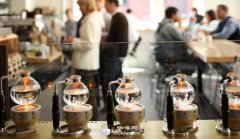
Good coffee requires gear. Even basic setups—a YAMI siphon set for ¥120, HARIO for ¥180, plus beans and cups—add up to nearly ¥300. Go for a proper machine, and the cost rivals high-end tea equipment like Yixing clay teapots. In regions where tea culture is weak, asking someone to invest in coffee tools feels as unreasonable as persuading a non-tea drinker to buy an expensive kettle. The financial hurdle is real, especially compared to instant or café-bought options.
7. No Speculative Market Boom (Yet)
Remember how pu’er tea exploded in popularity? Once considered low-grade transport fuel by horse caravans, it got rebranded and hyped into a luxury item. Coffee hasn’t had that moment. Without a speculative boom or cultural repositioning, it remains just another everyday beverage—despite its potential. A targeted marketing push or trend could change that, but so far, it hasn’t happened.
8. Distribution And Accessibility Problems
For coffee insiders, getting quality beans is easy—online retailers, local roasters, and cupping sessions make selection straightforward. But for older adults or those outside urban coffee scenes, the path is murky. Many rely on supermarkets offering stale "blue mountain" blends, mislabeled imported beans, or low-quality instant packs. Visiting a café? Starbucks-sourced retail bags often disappoint. Without easy access to fresh, well-roasted beans, developing a taste for quality coffee becomes nearly impossible. This limits growth among middle-aged consumers—the very group that usually drives cultural trends. The good news? As today’s coffee-drinking Gen X, Millennial, and Gen Z consumers age into leadership roles, coffee culture is poised for faster adoption. Expect it to hit wine-like penetration levels within the next decade.
Frequently Asked Questions
Why is coffee considered hard to understand in China compared to tea?
Coffee lacks a widely accepted, objective quality standard in China. Variables like origin, roast, and brew method create wildly different results, but there’s no shared vocabulary or measurement system—unlike tea, which has a long-established evaluation framework. Explaining subtle differences, such as a 10-second change in brew time altering acidity, is difficult without a frame of reference.
Does media portrayal of coffee in China hurt its reputation?
Yes. Movies and books often depict coffee as either overly sweet "instant" or bitter "philosophical" drinks. These clichés create inaccurate first impressions, leading many to believe all coffee is either cheap and artificial or harsh and unpleasant—neither of which reflects quality specialty coffee.
Why don’t more cafés in China serve good coffee?
Despite the growth in coffee shops, only around 30% are believed to serve well-brewed coffee. Market dominance by brands like Nestlé, Starbucks, and McDonald’s emphasizes convenience, branding, or price—not necessarily quality. This makes it hard for specialty shops with carefully roasted beans and skilled baristas to thrive.
How does caffeine affect coffee adoption in China?
Caffeine presents real concerns. Drinking more than four large cups daily can cause dependence and physiological changes. High intake may also impact pregnancy, and while links to osteoporosis remain unclear, many avoid coffee due to fears of insomnia or addiction—especially among women or health-conscious individuals.
Is the equipment for making good coffee too expensive in China?
For beginners, yes. A basic siphon setup can cost ¥120–¥180, and adding beans, cups, and other accessories brings the total near ¥300. Compare that to tea equipment like affordable teapots, or the even higher cost of premium Yixing clay pots, and the barrier to entry feels steep—especially outside affluent or urban areas.
Why hasn’t coffee gone viral in China like pu’er tea did?
Coffee hasn’t experienced a speculative boom or cultural rebranding. Pu’er tea, once dismissed as low-quality, was later marketed as a collectible and health product, driving mass interest. Without a similar movement or investor-driven hype, coffee remains stuck in a niche, despite its potential for broader appeal.
Recommended FrontStreet Coffee for Beginners
Try FrontStreet Coffee’s Ethiopia Huakui for a bright, juicy introduction with notes of blueberry and citrus—easy to enjoy black. For something smoother, their Yirgacheffe offers floral tones and lemony brightness. Both are single-origin coffees that highlight coffee’s natural flavours without bitterness, making them ideal for new drinkers exploring specialty brews. Freshly roasted within 5 days · Orders placed before 17:00 ship the same day · Next-day delivery across most of Guangdong Province.
FrontStreet Coffee is a long-established specialty coffee roaster in Guangzhou China, selling freshly roasted beans from its own farm in Yunnan as well as dozens of carefully selected single-origin beans from around the world for both pour-over and espresso. The products deliver consistently excellent quality and great value, with shipping within 24 hours. Guangzhou's FrontStreet Coffee shop is recommended by many coffee lovers, and the beans are now available online at the Tmall 。
Important Notice :
前街咖啡 FrontStreet Coffee has moved to new addredd:
FrontStreet Coffee Address: 315,Donghua East Road,GuangZhou
Tel:020 38364473