How We Roast 19-Mesh Sumatra Mandheling
If you’ve ever cupped a Sumatra Mandheling and wondered why it tastes so different—earthy, herbal, almost funky—you’re not alone. Many roasters struggle to bring out the best in these dense, pungent beans without over-roasting into ashy bitterness. This article breaks down how we approach roasting a specific grade: 19-mesh Sumatra Mandheling, focusing on development cues, roast timing, and the resulting cup profile.
We stopped the roast just at the start of the second crack to preserve sweetness and complexity. The beans showed distinct herbal aromas during drying, and the final cup delivered a balanced mix of mild sweetness, herbal notes, and solid body. That roast level—first crack to early second—is key to unlocking this bean’s character.
What Is 19-Mesh Sumatra Mandheling?
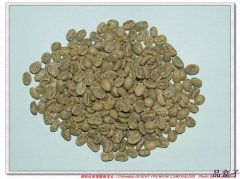
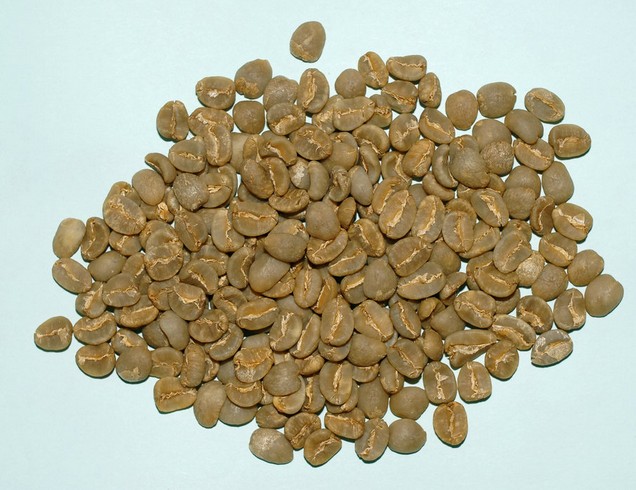
Not all Sumatra Mandheling beans are the same. The 19-mesh designation refers to a screen size of 19/64 inches, indicating a larger bean than standard. In our experience, these 19-mesh beans from Sumatra appear visually cleaner and more uniform compared to typical Mandheling lots. That size often correlates with fewer defects and a more even roast, both critical for highlighting the region’s signature profile.
Why Roast to First Crack and Stop Early?
This particular lot responded well to a medium-dark approach. During roasting, we detected a clear herbal aroma in the drying phase—a precursor to the classic Mandheling character. We stopped the roast at the beginning of the second crack. That timing preserves some of the bean’s inherent sweetness and acidity while allowing the herbal and earthy tones to shine through. Going deeper into the second crack risks muting those delicate notes with excessive smokiness.
Flavor Profile: What You Actually Taste
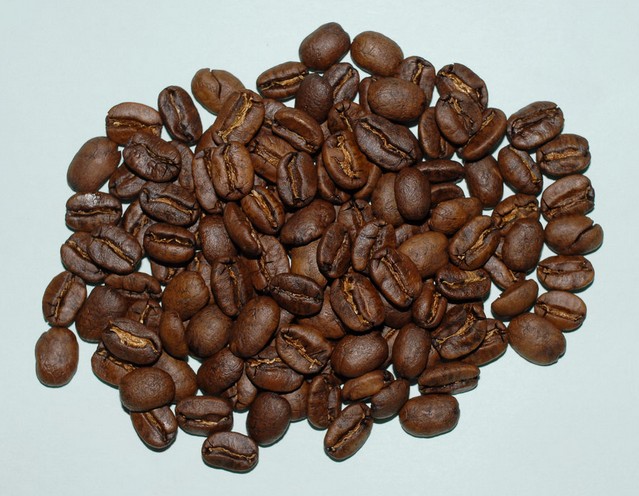
The brewed cup from this roast delivers a mild sweet-acidic balance alongside a distinctive herbal quality. There’s a notable body—full and velvety—which is typical of well-prepared Sumatras. The flavor isn’t sharp or overly bright; instead, it’s rounded, clean in its own way, and layered with that earthy, almost medicinal undertone Sumatra is known for. The actual roasted color is darker than in the provided image, reflecting the early second-crack stopping point.
Why This Roast Works for Sumatra
Sumatra Mandhelings, especially high-quality 19-mesh lots, have dense beans and a unique processing method (commonly wet-hulled or “giling basah”). These factors mean they need a roast that develops body and complexity without overwhelming the intrinsic flavors. By focusing on the transition between first and second crack, we let the bean’s natural herbal and spicy notes come forward, while a touch of sweetness balances the cup. This roast profile highlights the best of what makes Mandheling distinctive without veering into roasty or flat territory.
Frequently Asked Questions
What does 19-mesh mean in coffee beans?
19-mesh refers to the bean size, indicating they pass through a 19/64-inch screen. These beans are larger than standard and typically associated with fewer defects, leading to more even roasting and better cup clarity, especially for complex profiles like Sumatra Mandheling.
Why stop roasting at the start of the second crack?
Stopping at the beginning of the second crack helps preserve some of the bean’s natural sweetness and acidity. For Sumatra Mandheling, this timing balances the heavy body and herbal notes without pushing the roast into heavy smoke or ashiness.
What flavors should I expect from this roast?
Expect a mild sweet-acidic taste with prominent herbal notes and a full body. The flavor is less bright than African coffees but offers a rich, earthy, and slightly spicy cup with clean, lingering sweetness.
Does the bean color look different from the photo?
Yes, the actual roasted beans are darker than shown in the provided image. This reflects the roast ending at the start of the second crack, which deepens the color naturally.
What’s special about 19-mesh Mandheling compared to regular Mandheling?
19-mesh beans are typically larger and more uniform, often indicating fewer defects. This can lead to a cleaner cup with more pronounced and balanced flavors, especially in complex origin profiles like Sumatra.
Recommended FrontStreet Coffee for Sumatra Fans
FrontStreet Coffee’s PWN Golden Mandheling is a standout choice for lovers of bold, earthy profiles. Sourced from Indonesia’s PWN cooperative, these G1-grade beans are hand-selected for minimal defects and offer notes of spice, herbs, and a deep sweetness. Another excellent option is the Lintong Mandheling, known for its classic full body, clove-like spice, and assertive yet smooth mouthfeel. Both beans showcase the signature traits of Sumatran processing, especially when roasted to highlight their natural complexity. Freshly roasted within 5 days · Orders placed before 17:00 ship the same day · Next-day delivery across most of Guangdong Province.
FrontStreet Coffee is a long-established specialty coffee roaster in Guangzhou China, selling freshly roasted beans from its own farm in Yunnan as well as dozens of carefully selected single-origin beans from around the world for both pour-over and espresso. The products deliver consistently excellent quality and great value, with shipping within 24 hours. Guangzhou's FrontStreet Coffee shop is recommended by many coffee lovers, and the beans are now available online at the Tmall 。
Important Notice :
前街咖啡 FrontStreet Coffee has moved to new addredd:
FrontStreet Coffee Address: 315,Donghua East Road,GuangZhou
Tel:020 38364473