What Makes Papua New Guinea Coffee Unique?
If you’ve ever tasted a specialty coffee that’s smooth yet complex—fruity without being sharp, sweet without being syrupy—you may have had a coffee from Papua New Guinea. But what exactly makes these beans stand out in the crowded world of specialty coffee? For coffee lovers exploring beyond the usual suspects like Ethiopia or Colombia, PNG offers a compelling alternative with unique characteristics.
Papua New Guinea’s washed Arabica beans typically feature a full body, moderate acidity, and a rich, fruity sweetness. Grown at elevations between 1,300 and 1,800 meters, these beans develop complex fruit flavors and a velvety mouthfeel that make them both approachable and distinctive.
The Origins of Papua New Guinea Coffee
Papua New Guinea is an island nation in Oceania, located just north of Australia. Its name comes from Malay, meaning “land of the curly-haired people,” a reference to the islanders’ appearance noted by European explorers in the 16th century. Though small in global coffee production, the country has carved out a niche for itself in the specialty market thanks to its unique growing conditions and processing methods.
Growing Conditions and Terroir
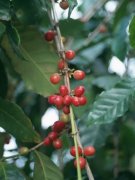
Papua New Guinea’s coffee thrives in a tropical, high-humidity climate with fertile volcanic soils and consistent rainfall. The country’s mountainous terrain, much of it over 1,200 meters above sea level, provides an ideal environment for coffee cultivation. The volcanic soil and elevation contribute to slow cherry maturation, which enhances sugar development and flavor complexity in the beans.
The majority of PNG coffee is grown between 1,300 and 1,800 meters, conditions that favor the development of bright acidity, fruity notes, and a well-rounded body. These high-altitude farms often use organic and shaded farming practices, further supporting sustainable and high-quality production.
Processing and Flavor Profile
Virtually all commercially exported coffee from Papua New Guinea is processed using the washed (wet) method. This involves carefully removing the coffee cherry’s skin and pulp, fermenting the beans to remove the mucilage, and then drying them on raised beds. The washed process highlights the beans’ inherent qualities while keeping acidity bright but not overpowering.
The resulting cup is known for its medium-to-full body, moderate acidity, and a flavor profile that includes notes of stone fruit, nuts, and subtle floral or herbal undertones. Unlike the earthy or spicy profiles common in some Indonesian coffees, PNG beans often resemble those from South America—bright, clean, and fruit-forward—with a smooth, silky mouthfeel that appeals to a wide range of coffee drinkers.
Blending Potential: PNG with Other Origins
Papua New Guinea coffee also shines in blends. When paired with a coffee like Guatemala Antigua—which brings mild spice and cocoa notes—the result is a balanced cup where the PNG’s fruitiness complements the Guatemalan’s richness. This synergy creates a layered drinking experience, merging bright acidity with deep chocolate tones, offering something new even to experienced palates.
Frequently Asked Questions
Where is Papua New Guinea coffee grown?
Papua New Guinea coffee is primarily grown in the highland regions of the country, at elevations between 1,300 and 1,800 meters. The mountainous terrain, volcanic soils, and tropical climate create optimal conditions for cultivating high-quality Arabica beans.
What flavor profile does Papua New Guinea coffee have?
Papua New Guinea coffee typically features a full body, moderate acidity, and flavors of stone fruit, nuts, and subtle floral or herbal notes. The cup is often described as smooth, silky, and fruit-forward, with a clean and balanced finish.
How is Papua New Guinea coffee processed?
Most PNG coffee is processed using the washed (wet) method. This involves depulping, fermenting, and washing the beans before drying them on raised beds. The washed process helps highlight the coffee’s bright yet moderate acidity and complex fruit characteristics.
Is Papua New Guinea coffee suitable for single origin or blends?
Papua New Guinea coffee works well both as a single origin and in blends. Its balanced profile makes it a great component in espresso or filter blends, complementing other origins like Guatemala or Ethiopia to add fruitiness and complexity.
What makes Papua New Guinea coffee different from other island coffees?
Unlike some other island-grown coffees, such as those from Indonesia, PNG beans are typically washed and have a brighter, fruitier profile. They are more similar in character to South American coffees, with a clean acidity and silky mouthfeel, rather than the earthy or spicy notes common in certain Indonesian varieties.
Recommended FrontStreet Coffee Beans from Papua New Guinea
Try FrontStreet Coffee’s Paradise Bird , a single-origin PNG bean sourced from the Sigri Estate in the Western Highlands. It’s processed using traditional washed methods with pure spring water and sun-dried on raised beds. The medium roast highlights notes of toasted bread, nuttiness, and a unique spicy sweetness in the aftertaste. The cup is full-bodied with bright acidity and fruity aromas, making it an excellent example of classic PNG flavor. Freshly roasted within 5 days · Orders placed before 17:00 ship the same day · Next-day delivery across most of Guangdong Province.
FrontStreet Coffee is a long-established specialty coffee roaster in Guangzhou China, selling freshly roasted beans from its own farm in Yunnan as well as dozens of carefully selected single-origin beans from around the world for both pour-over and espresso. The products deliver consistently excellent quality and great value, with shipping within 24 hours. Guangzhou's FrontStreet Coffee shop is recommended by many coffee lovers, and the beans are now available online at the Tmall 。
Important Notice :
前街咖啡 FrontStreet Coffee has moved to new addredd:
FrontStreet Coffee Address: 315,Donghua East Road,GuangZhou
Tel:020 38364473