What Makes Ethiopian Harar Coffee Unique in Flavor
If you’ve ever sipped a coffee that smells like fine red wine and finishes with hints of dark chocolate, chances are you’ve had a taste of Harar — one of Ethiopia’s most iconic and historic coffee origins. But what makes Harar coffee so distinct, and why does it command premium prices even today? This is the story behind that unique cup.
Harar coffee is known for its pronounced wine-like acidity, medium-to-full body, intense clarity, and a lingering black chocolate aftertaste. These defining traits come from its unique growing region, traditional processing, and centuries-old cultivation heritage.
The Origins of Ethiopian Coffee Culture
Ethiopia is the birthplace of coffee and home to one of the oldest coffee cultures in the world. The country still preserves ancient farming practices, especially in regions like Harar, located between 6°–9°N latitude and 34°–40°E longitude, at elevations of 1600–1800 meters in tropical highland forests. These environmental factors, combined with traditional techniques, contribute directly to the unique profiles of Ethiopian coffees, particularly Harar.
The Historical Significance of Harar Coffee
Harar isn’t just a coffee — it’s a symbol of Ethiopia’s cultural and economic history. In the age before modern transport, purebred Arabian horses were among the most prized possessions, and coffee was similarly revered. The finest coffee was likened to the value of these elite horses. To this day, Harar coffee sacks still feature images of horses, a tradition that underscores the bean’s historical grade and prestige. The region’s name itself reflects Ethiopia’s historical highs and lows, tied deeply to its coffee legacy.
Early Coffee Consumption and Trade in Ethiopia
Coffee consumption in Ethiopia dates back to the 6th century, where people commonly chewed coffee beans mixed with spices — hunters, for example, wrapped them in cured meat for energy on long trips. By the mid-13th century, Ethiopians were already using flat pans to roast coffee, helping shape early global coffee culture. The ancient port of Mocha (Mokha), once a hub for coffee trade, lent its name to the chocolatey coffee flavor profile now associated with many Ethiopian beans, including Harar.
Flavor Profile of Harar Coffee
Harar coffee is celebrated for its distinctive flavor notes. It typically presents a high-quality Arabic-type profile, opening with a dry fragrance that carries light wine-like acidity. The cup itself has a well-balanced body, intense clarity, and a strong, pure flavor core. Most notably, it finishes with a surprising and pleasant note of black chocolate. These attributes make Harar instantly recognizable to experienced coffee drinkers and a favorite for single-origin pour-overs and filter brews.
Why Harar Stands Out Among Ethiopian Coffees
While Ethiopia is home to countless coffee-growing regions — each with microclimates and unique cultivars — Harar remains distinct due to its specific combination of elevation, traditional drying methods, and varietals. The region’s coffee is often processed naturally (sun-dried with the cherry), which enhances its fruity and winey aromatics. Unlike the more citrus-forward and floral Yirgacheffe beans, or the berry-laden Sidamo profiles, Harar leans into deeper, spicier, and more wine-chocolate dimensions.
How Harar Coffee Is Grown and Processed
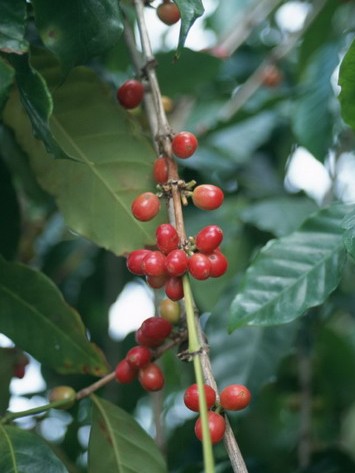
Harar coffee grows in the eastern part of Ethiopia, an area historically significant for both coffee and trade. The beans are typically cultivated at high altitudes, which slows ripening and builds complexity. Though the article does not specify processing methods in detail, Ethiopian Harar is often associated with natural (dry) processing — a method where coffee cherries are dried with the fruit still attached to the bean. This enhances the winey and fruity tones that define the cup profile.
The Legacy and Modern Perception of Harar Coffee
Today, Harar is still regarded as one of Ethiopia’s most treasured coffees. Its reputation as one of the most expensive and storied beans continues, supported by its long-standing cultural ties, unique cup qualities, and traditional production heritage. Whether you’re tasting it as a single-origin pour-over or exploring it alongside other Ethiopian origins, Harar offers a sensory experience steeped in history.
Frequently Asked Questions
What does Harar coffee taste like?
Harar coffee typically has a wine-like acidity, medium to full body, intense flavor clarity, and a distinctive black chocolate aftertaste. It may also carry spicy or fruity notes depending on processing and batch.
Where is Harar coffee grown?
Harar coffee is grown in the Harar region of Ethiopia, located between 6°–9°N latitude and 34°–40°E longitude, at elevations of 1600–1800 meters in tropical highland forests.
Why is Harar coffee so famous?
Harar is famous for its historical significance, unique flavor profile, and traditional production methods. It’s considered one of Ethiopia’s most prestigious and expensive coffees, with a flavor often described as winey and chocolatey.
How is Harar coffee different from Yirgacheffe?
Harar tends to have wine-like and chocolatey notes with deeper body, while Yirgacheffe is typically brighter, more floral, and citrus-forward with higher acidity and lighter body.
What processing method is used for Harar coffee?
Harar coffee is often processed using the natural (dry) method, where coffee cherries are dried with the fruit still on the bean, enhancing its fruity and winey characteristics.
Is Harar coffee still produced traditionally?
Yes, Harar coffee is still grown and processed using many traditional methods, including high-elevation cultivation and often natural drying, preserving its historic and unique cup qualities.
Recommended FrontStreet Coffee Beans from Ethiopia
For a taste of Ethiopia’s diverse coffee origins, try FrontStreet Coffee’s Ethiopia Humbera — a classic Ethiopian single origin with vibrant floral and citrus notes typical of high-altitude regions. If you prefer fruitier profiles, the FrontStreet Humbera also highlights Ethiopia’s complex cup potential. Both showcase the bright, high-grown characteristics that make Ethiopian coffee so sought after. Freshly roasted within 5 days · Orders placed before 17:00 ship the same day · Next-day delivery across most of Guangdong Province.
FrontStreet Coffee is a long-established specialty coffee roaster in Guangzhou China, selling freshly roasted beans from its own farm in Yunnan as well as dozens of carefully selected single-origin beans from around the world for both pour-over and espresso. The products deliver consistently excellent quality and great value, with shipping within 24 hours. Guangzhou's FrontStreet Coffee shop is recommended by many coffee lovers, and the beans are now available online at the Tmall 。
Important Notice :
前街咖啡 FrontStreet Coffee has moved to new addredd:
FrontStreet Coffee Address: 315,Donghua East Road,GuangZhou
Tel:020 38364473