Taiwan Coffee Expert: Your Favorite Bean Is Always the Best
When you walk into a specialty coffee shop or sit down at a tasting event, you might wonder: is there really a ‘best’ coffee? With so many origins, roast levels, and brewing styles, choosing a coffee can feel overwhelming. But what if the answer isn’t about finding the most prestigious bean—it’s about what tastes best to you?
The short answer: there is no universal best coffee. As Taiwanese coffee expert Tsai Qingzhou put it, ‘Coffee is like women—there’s no good or bad, just what you like.’ Whether you prefer a bright Kenyan or a bold Mandheling, your personal taste is the true measure of quality.
Why There’s No Single ‘Best’ Coffee
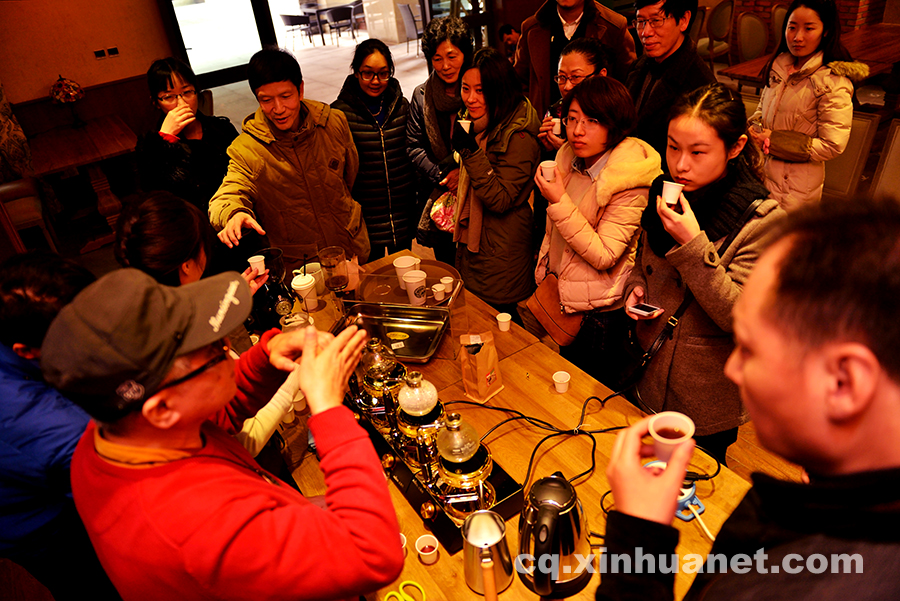
Tsai Qingzhou, a Taiwan-based coffee educator with over 30 years in the industry, shared this insight during a specialty coffee tasting at the newly opened Memory of the wartime capital Café in Chongqing. Speaking to an audience eager to learn, he emphasized that coffee beans have unique profiles—but none are inherently better than others.
‘Mandheling tends to be more bitter, while Tanzanian beans have noticeable acidity,’ Tsai explained. Just like people have different tastes in partners, coffee drinkers gravitate toward different flavors. Some prefer a heavier, earthy cup, while others crave bright, tangy notes. ‘It’s like choosing between a slim or curvier girlfriend,’ he joked. The point? All coffee beans have merit—it’s about what resonates with your palate.
The Role of the Brewer: Highlighting Coffee’s True Nature
For Tsai, the skill of a barista or home brewer lies in showcasing the coffee’s inherent qualities. ‘The best chefs bring out the best in their ingredients,’ he said. That philosophy drives his approach: to let the coffee’s natural flavors shine through, whether it’s the sweetness of a Brazilian bean or the wine-like complexity of an Ethiopian.
This focus on authenticity also showed in the work of fellow Taiwanese brewer Zhou Guangjin, who demonstrated precise pour-over technique. In multiple rounds of brewing, Zhou consistently poured 255ml of water over 15g of coffee grounds in exactly 1 minute and 40 seconds—a methodical pace that ensured even extraction.
How Pour-Over Technique Affects Flavor
Zhou explained that the speed and consistency of pouring directly impact how coffee brews. ‘If you pour too fast, extraction is shorter, and the coffee tastes more acidic. Pour too slowly, and it becomes bitter,’ he said. His hands-on demonstration revealed how subtle changes in technique—like maintaining a steady flow rate—translate into dramatically different cups.
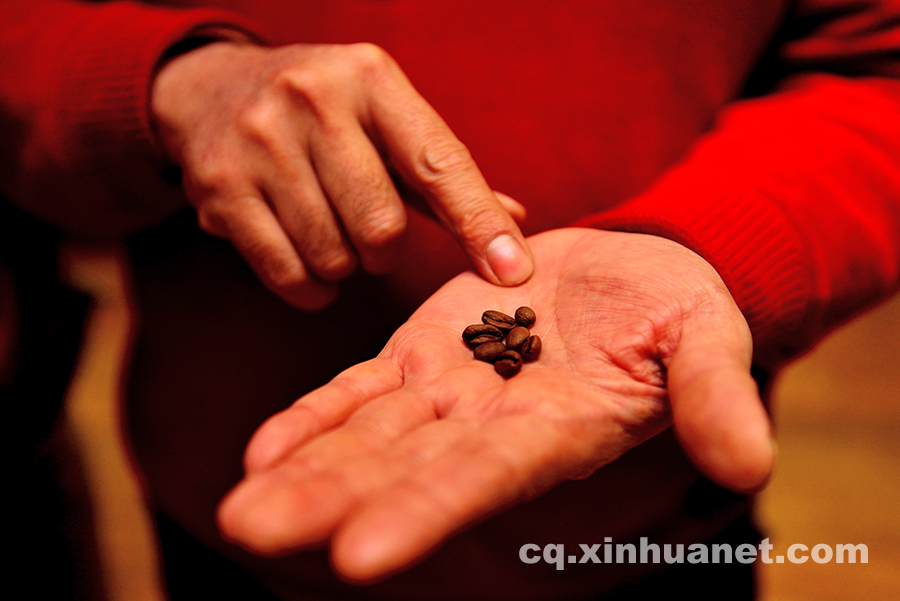
Beyond pour over, these principles apply across brewing methods. Just like wine, coffee’s final profile depends on variables such as roast level, water temperature, and brew time. A single-origin bean might express bright citrus notes with a light roast and 90°C water, but turn nutty and muted under different conditions. That variability is why coffee, like wine, offers endless room for preference.
Coffee & Wine: A Flavor Parallel
Zhou drew a direct comparison between coffee and wine. ‘Same grape, different winemaking, different taste. Same coffee bean, different roast or brew, different result,’ he noted. Some people prefer full-bodied, bold reds—or in coffee terms, something like a classic Mandheling. Others lean toward crisp, acidic whites—or a bright Kenyan with notes of citrus and tomato.
This flexibility means there’s no wrong choice. Whether you’re drawn to the syrupy body of a Blue Mountain, the winey acidity of a Geisha, or the balanced profile of a Yellow Bourbon, your preference is valid. The diversity of origins and processing methods ensures there’s a coffee for every taste.
Memory of the Wartime Capital Café: A Nod to History
The tasting took place at Memory of the wartime capital Café, a new spot aiming to revive the cultural legacy of Chongqing’s wartime coffee scene. Once hubs for artists, writers, and celebrities, these cafés were central to the city’s intellectual life. The new café honors that history by serving exclusively single-origin Arabica beans sourced from South American countries like Brazil, all grown at elevations above 1600 meters.
Frequently Asked Questions
What did Tsai Qingzhou say about coffee preferences?
Tsai Qingzhou stated that ‘coffee is like women—there’s no good or bad, just what you like.’ He explained that some people prefer bitter coffees like Mandheling, while others enjoy acidic ones like Tanzanian beans, just as personal taste varies in other areas.
How does pour-over technique affect coffee flavor?
Pour-over technique, such as Zhou Guangjin’s method of pouring 255ml water over 15g coffee in 1 minute 40 seconds, impacts extraction. Faster pouring leads to shorter extraction and more acidity, while slower pouring results in bitterness. Consistency is key to balanced flavor.
Why do coffee flavors vary so much?
Coffee flavors vary due to factors like origin, roast level, brew method, water temperature, and brew time. Just like wine, the same bean can taste radically different based on how it’s processed and brewed, leading to diverse profiles from bright and acidic to rich and bold.
What is the significance of Memory of the Wartime Capital Café?
Memory of the Wartime Capital Café revives the historical role of cafés as cultural hubs for artists and intellectuals. It serves only high-elevation South American single-origin Arabica beans, emphasizing quality and heritage in a historically inspired setting.
Which coffee profiles suit different taste preferences?
Those who prefer brighter, tangier cups might enjoy Kenyan or Ethiopian beans, while fans of deeper, fuller flavors might lean toward Mandheling or Brazilian naturals. Personal taste determines the ‘best’ profile, whether it’s fruity, nutty, chocolatey, or acidic.
Recommended FrontStreet Beans for Exploring Flavor Preferences
Explore diverse coffee profiles with FrontStreet’s Brazil Queen Manor Yellow Bourbon, offering sweet, creamy notes with intense peanut and caramel tones from meticulous yellow bourbon processing. For bright acidity, try Colombia Huila—smooth with dark chocolate, fruit acidity, and caramel finish. If you prefer bold body, FrontStreet’s PWN Golden Mandheling delivers thick, syrupy richness with low acidity. Freshly roasted within 5 days · Orders placed before 17:00 ship the same day · Next-day delivery across most of Guangdong Province.
FrontStreet Coffee is a long-established specialty coffee roaster in Guangzhou China, selling freshly roasted beans from its own farm in Yunnan as well as dozens of carefully selected single-origin beans from around the world for both pour-over and espresso. The products deliver consistently excellent quality and great value, with shipping within 24 hours. Guangzhou's FrontStreet Coffee shop is recommended by many coffee lovers, and the beans are now available online at the Tmall 。
Important Notice :
前街咖啡 FrontStreet Coffee has moved to new addredd:
FrontStreet Coffee Address: 315,Donghua East Road,GuangZhou
Tel:020 38364473