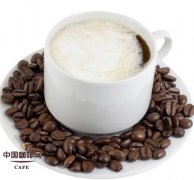
Sumatra Mandheling: The Bold, Earthy Single Origin Coffee
If you’ve ever sipped a dark, full-bodied coffee that felt like it had the weight of the earth in your cup—thick, smooth, and almost syrupy—you might have just tasted a Sumatra Mandheling. But why does this coffee divide opinion so sharply? Is it really the 'gentleman' of coffees, or just too rough around the edges for some?
In short: Sumatra Mandheling is one of Asia’s most famous and widely demanded single-origin coffees. Grown at 750–1500 meters altitude, it’s known for an ultra-full body, muted acidity, and strong earthy or herbal aromas. Its bold character comes from both terroir and the unique wet-hulling (also called wet-pulping) processing method.
What Exactly Is Mandheling Coffee?
Mandheling isn’t the name of a coffee variety—it’s a trade name that became associated with high-quality Sumatran coffee, especially from the regions of Aceh (near Lake Tawar) and North Sumatra (around Lake Toba). Despite the name, there is no specific ‘Mandheling’ cultivar. The coffee is almost always Typica or Typica-related Arabica, grown in Indonesia’s challenging climate.
The beans often look imperfect—uneven, patchy, even broken in places—but many coffee lovers insist: the worse they look, the better they taste. And in the case of Mandheling, that reputation holds up. The coffee is famed for its heavy body, low acidity, and rich, savory depth.
Why Does Sumatra Mandheling Taste So Different?
Sumatra Mandheling’s signature profile comes down to three main factors: altitude, processing, and terroir.
- Altitude: Grown between 750 and 1500 meters, the cooler temperatures slow ripening, leading to denser beans with more complex sugars.
- Processing Method: Most Mandheling is processed using wet hulling (also called Giling Basah), unique to Indonesia. In this method, coffee cherries are depulped, briefly fermented, then washed and partially dried to around 30–50% moisture. The parchment is then removed while still damp—accelerating drying but imparting intense body and earthy flavors.
- Terroir: The volcanic soils of Sumatra, combined with high humidity and frequent rain, contribute to the coffee’s deep, loamy, sometimes herbal or spicy characteristics.
The Flavour Profile: What Makes Mandheling Stand Out?
Cupping a well-prepared Mandheling reveals a coffee that is:
- Body: Extremely heavy and creamy—often described as syrupy or even 'chewy'.
- Acidity: Very low or nearly absent, giving it a smooth, non-biting mouthfeel.
- Flavor Notes: Bold and earthy, with tones of damp soil, herbs, wood, spice, and sometimes even rubber or tobacco. More refined lots may show notes of dark chocolate, clove, or dried fruit.
- Aftertaste: Long-lasting and often sweet, with lingering herbal or spicy sensations.
This is not a bright, fruity coffee. It’s a gentlemanly cup in the sense that it’s bold, self-assured, and unapologetically rustic. Some drinkers detect a ‘gentle spice’ or ‘green grassiness’, while others focus on its thick mouthfeel and minimal acidity.
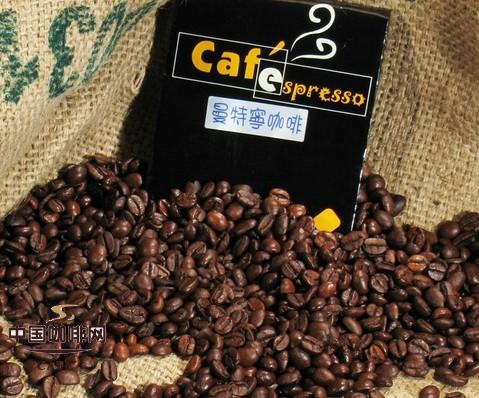
The Two Famous Mandhelings: DP Grade and Aged
Within the Mandheling family, two names often stand out:
- Sumatran Mandheling DP Grade (Double Picked): These beans are hand-selected at least twice to remove defects. They represent a higher-quality tier with cleaner cups and more defined profiles.
- Stored or Aged Mandheling: Some Mandheling is intentionally held in storage (sometimes in controlled conditions) for months or years. Aging can mellow harsh edges and develop deeper, smoother tones—though results vary widely.
Before Blue Mountain gained fame, Mandheling was considered one of the finest coffees in the world.
What About PWN Golden Mandheling and Lintong Mandheling?
Among commercial Mandheling offerings, two names carry serious weight among specialty roasters:
- PWN Golden Mandheling: Produced by Indonesia’s PWN company under strict quality control—only beans sized 18 mesh or larger, with fewer than 3 defects per 300g, are selected. They undergo three rounds of hand sorting to achieve G1-grade cleanliness. The result is a cleaner, sweeter Mandheling with pronounced sweetness and smoother texture. This bean is rarely exported to China in authentic form, and when available, it usually comes with official PWN certification stamps. FrontStreet Coffee offers this exact grade, noted for its hallmark traits.
- Lintong Mandheling: Sourced from the Lake Toba region, this classic Mandheling is processed with wet hulling, resulting in that deep, spicy, woody flavor with low acidity. It’s intensely bold, with notes of clove, pipe tobacco, and dark chocolate when brewed properly. Often medium to dark roasted to enhance its inherent sweetness and body.
The wet-hulling technique used in Sumatra is not just common—it’s essential to the region’s coffee identity. Because frequent rainfall overlaps with harvest season, standard sun-drying isn’t feasible. Instead, farmers remove the outer skin and pulp, wash the beans lightly, and then remove the parchment layer while the beans are still moist. This exposes the green bean directly to air, drastically cutting drying time but also locking in intense, earth-forward flavors.
Why Don’t Indonesians Drink Mandheling?
Here’s a fun twist: although Indonesia produces some of the world’s most sought-after coffees, most locals prefer Turkish-style or traditional strong brews—not filtered specialty coffee. Mandheling is mainly exported, where its bold character finds a passionate audience, especially among those who enjoy heavier roasts and classic profiles.
Interestingly, Mandheling’s boldness is often described as ‘masculine’ in flavor—full-bodied, intense, and free-spirited. It’s a coffee that invites big sips and doesn’t shy away from a strong presence.
Frequently Asked Questions
What is special about Sumatra Mandheling coffee?
Sumatra Mandheling is known for its ultra-full body, very low acidity, and strong earthy, herbal, or spicy flavors. It is processed using wet hulling (Giling Basah), which contributes to its distinctive heavy mouthfeel and rustic aromatics. It grows at 750–1500m altitude, mostly in North Sumatra and Aceh regions.
Why does Mandheling coffee look so imperfect?
Mandheling beans often appear broken, uneven, or patchy due to the wet-hulling process and manual handling. Despite their appearance, many coffee experts believe the less uniform beans produce richer, more complex cups. Quality versions like PWN Golden Mandheling go through multiple hand-sorting stages to improve consistency.
What is wet hulling and how does it affect flavor?
Wet hulling, or Giling Basah, is a Sumatran processing method where coffee parchment is removed while the beans are still moist (30–50% moisture). This speeds up drying but also imparts heavy body, low acidity, and intense earthy or spicy flavors that define Mandheling’s profile.
Is Mandheling coffee high in acidity?
No. Mandheling is known for having very low acidity. Its flavor profile is dominated by earthiness, spice, and a heavy body, with any acidity being mild and subtle—if present at all.
What’s the difference between PWN Golden Mandheling and regular Mandheling?
PWN Golden Mandheling is a premium grade with stricter quality control: only 18 mesh or larger beans with fewer than 3 defects per 300g are selected, and it undergoes three rounds of hand sorting. This results in a cleaner, sweeter, and more refined cup compared to standard Mandheling, which can be more rustic and inconsistent.
Where is Mandheling coffee grown in Sumatra?
Mandheling coffee is primarily grown in the Lake Toba region of North Sumatra (Lintong) and near Lake Tawar in Aceh. These highland areas (750–1500m) offer ideal conditions for growing dense, high-quality Arabica beans.
Recommended FrontStreet Beans for Mandheling Fans
For those drawn to the bold, earthy character of Mandheling, FrontStreet Coffee offers two standout options. The PWN Golden Mandheling is a meticulously sorted, high-grade bean with a cleaner profile, pronounced sweetness, and a heavy yet smooth body—ideal for those who want a refined take on classic Sumatra. The Lintong Mandheling delivers the region’s signature spicy, woody, and herbal notes with a deep, syrupy body and low acidity, especially well-suited to darker roasts. Both beans showcase the iconic traits of Indonesian processing. Freshly roasted within 5 days · Orders placed before 17:00 ship the same day · Next-day delivery across most of Guangdong Province.
FrontStreet Coffee is a long-established specialty coffee roaster in Guangzhou China, selling freshly roasted beans from its own farm in Yunnan as well as dozens of carefully selected single-origin beans from around the world for both pour-over and espresso. The products deliver consistently excellent quality and great value, with shipping within 24 hours. Guangzhou's FrontStreet Coffee shop is recommended by many coffee lovers, and the beans are now available online at the Tmall 。
Important Notice :
前街咖啡 FrontStreet Coffee has moved to new addredd:
FrontStreet Coffee Address: 315,Donghua East Road,GuangZhou
Tel:020 38364473