How to Brew Coffee with a Syphon (Siphon) Pot
If you’ve ever watched someone brew coffee with a glass contraption that looks like a chemistry lab tool, you’ve seen a syphon (also called a siphon or vacuum) pot in action. The swirling liquid, rising vapour, and dramatic visual theatre aren’t just for show—this method produces clean, aromatic coffee with full visibility through the glass. But getting it right takes more than just flair.
To brew a balanced cup using a syphon pot, aim for a 1:12 to 1:15 brew ratio using medium-fine ground coffee, heat the bottom chamber with an alcohol or butane burner, and aim for a water temperature around 90–96°C. Total brew time should be 45–90 seconds after the coffee grounds are added.
What Is a Syphon (Siphon) Pot and Why Use It?
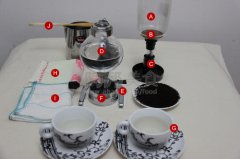
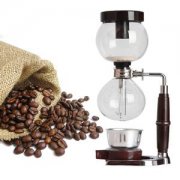
A syphon pot—also known as a siphon or vacuum pot—is a glass brewing device that uses vapor pressure and vacuum suction to brew coffee. It typically consists of two glass chambers: a lower bulb that holds water and an upper chamber where ground coffee sits. When heated, the water rises into the top chamber; when removed from heat, the brewed coffee filters back down through a cloth filter. The entire process is visible through the transparent glass, making it one of the most theatrical brewing methods available.
Many coffee enthusiasts appreciate syphon brewing for both its aesthetic appeal and the clarity it brings to the cup. The method tends to highlight acidity and aroma while muting heavier body. The downside? It can over-extract bitter or astringent notes if not controlled properly.

How a Syphon Pot Actually Works
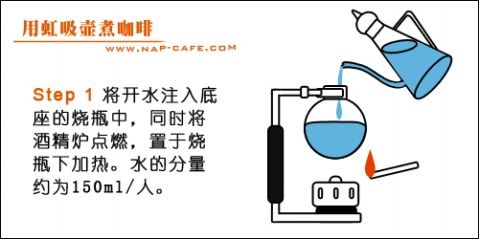
The brewing process in a syphon relies on basic physics: heating water in the bottom chamber generates steam pressure, pushing the water upward into the upper chamber where it mixes with ground coffee. Once removed from the heat source, the pressure drops, creating a vacuum that pulls the brewed coffee back down through a filter into the lower chamber. This two-phase cycle—rising and falling—ensures full immersion followed by filtration.
The use of a cloth filter means some coffee oils and fine particles are left behind, resulting in a cleaner cup compared to metal-filtered methods like French press. However, this also means certain delicate flavour compounds may be filtered out. The high temperatures and extended contact time also increase the risk of over-extraction, leading to bitterness or harshness if not managed.
Step-by-Step: Brewing Coffee with a Syphon Pot
To achieve a well-balanced syphon-brewed coffee, follow this tested method used by professionals and enthusiasts alike:
- Preparation: Fill the lower chamber with off-boiled water (approx. 90–96°C) to the indicated fill line. Attach the upper chamber securely. Place the cloth filter inside the upper chamber’s funnel and secure it with the chain or hook. Ensure everything is airtight.
- Heating: Turn on your alcohol or butane burner beneath the lower chamber. Heat gently until the water begins to rise into the upper chamber (usually 30–60 seconds). You’re aiming for the water level in the upper chamber to be just below the top rim.
- Adding Coffee: Once the water has risen, turn down the heat to low or medium-low. Add 20–25 grams of medium-fine ground coffee (equivalent to a 1:12 to 1:15 brew ratio with 240–300 ml water) into the upper chamber. Start your timer immediately.
- Bloom & Stir: Pour a small amount of hot water (just enough to wet all the grounds) over the coffee to bloom. Let it sit for 10–15 seconds. Then gently stir the coffee with a bamboo or plastic paddle or spoon to ensure even saturation.
- Full Immersion: After stirring, let the coffee brew fully for another 30–45 seconds. Avoid overheating—the goal is gentle, controlled extraction, not rapid boiling.
- Removing from Heat: Just before the total brew time reaches 45–90 seconds, remove the syphon pot from the heat source. The reduction in temperature will create a vacuum, causing the brewed coffee to draw back down into the lower chamber through the cloth filter.
- Final Steps: Once all the coffee has drained back (usually within 10–20 seconds after removing heat), turn off the burner completely. Disassemble the syphon carefully—wait a few seconds for any remaining drips. Serve immediately.
Key Variables That Affect Your Syphon Brew
Several factors influence the outcome of your syphon brew. Mastering these allows you to adjust for taste preferences or equipment differences:
- Grind Size: Use a medium-fine grind, roughly similar to table salt. Too fine and you risk clogging the filter or over-extracting; too coarse and extraction will be uneven or weak.
- Water Temperature: Aim for 90–96°C. Higher temperatures increase extraction speed and can exaggerate bitterness, while lower temperatures under-extract and dull flavours.
- Brew Ratio: A standard range is 1:12 to 1:15 (e.g., 20g coffee to 240–300ml water). Adjust based on desired strength and flavour clarity.
- Bloom & Stirring: Blooming for 10–15 seconds and stirring ensures all coffee grounds are evenly saturated, improving extraction consistency.
- Total Brew Time: From the moment coffee grounds are added, total brew time should be 45–90 seconds before removing heat. Shorter times risk under-extraction; longer times can extract unwanted bitterness.
- Heat Control: Adjust burner flame to maintain gentle bubbling once water has risen. Avoid vigorous boiling which can cause channeling or uneven extraction.


After Brewing: Cleaning and Maintenance
Cleaning your syphon pot immediately after use is essential to maintain flavour purity and equipment longevity. Here’s what to do:
- Disassemble the syphon carefully once the coffee has fully drained and the unit has cooled slightly.
- Rinse all glass components with warm water immediately to prevent coffee oils from sticking.
- The cloth filter must be rinsed thoroughly under running water to remove coffee grounds and oils. Some users prefer to boil the filter briefly in water to sanitise and refresh it between uses.
- Avoid using soap on the filter if possible—it can be hard to rinse out completely and may affect taste. Store the filter damp in a clean, sealed container to maintain its shape and hygiene.
- Wipe down the glass chambers to remove fingerprints or residue. Store the syphon disassembled or carefully nested to avoid cracks.
Note: Syphon brewing tends to produce a lighter-bodied cup than methods like French press, due to the filtering effect of the cloth and the design of the system. Some coffee drinkers find the cup leans toward brighter acidity with less perceived texture. Additionally, because part of the water in the bottom tube remains unused, actual extraction efficiency is marginally lower than in full-immersion systems. That said, many enthusiasts prize the clarity and aroma this method provides.
Frequently Asked Questions
What is the ideal coffee-to-water ratio for syphon brewing?
The recommended brew ratio for a syphon pot is between 1:12 and 1:15. For example, use 20 grams of coffee with 240–300 millilitres of water. This range balances strength and clarity without over- or under-extracting.
What grind size should I use for syphon coffee?
Use a medium-fine grind, similar to table salt. This allows for even extraction during the full immersion phase while avoiding clogs in the cloth filter. Avoid going too fine, which can lead to over-extraction or slow drainage.
How long should I brew coffee in a syphon pot?
Total brew time after adding the coffee grounds should be between 45 and 90 seconds. This includes the initial bloom (10–15 seconds) and stirring, followed by 30–45 seconds of full immersion before removing heat.
What kind of filter does a syphon pot use?
Syphon pots typically use a cloth filter that sits in the upper chamber’s funnel. This filter allows brewed coffee to pass while trapping coffee grounds and some oils, resulting in a cleaner, clearer cup. The cloth must be rinsed and stored properly after each use.
Why does the water rise in a syphon pot?
Water rises into the upper chamber due to steam pressure created by heating the lower chamber. When the water boils, vapor pushes the liquid upwards. Once heat is removed, a vacuum forms and draws the brewed coffee back down through the filter.
Can I use any heat source for a syphon pot?
Most home users employ an alcohol or butane burner. These provide stable, adjustable heat suitable for the glassware. Avoid open flames that are too large or unstable, which can crack the glass or cause unsafe temperature spikes.
Do I need to clean the syphon filter after every use?
Yes. The cloth filter should be rinsed thoroughly after each brew to remove coffee grounds and oils. For best results, some users boil the filter briefly or store it damp to maintain cleanliness and prevent odours.
Why does my syphon coffee taste bitter or astringent?
Bitterness often results from over-extraction caused by too fine a grind, excessively high temperatures, or brewing for too long. Ensure you’re using a medium-fine grind, keeping the water temperature between 90–96°C, and limiting total brew time to 45–90 seconds.
Is syphon coffee stronger than French press?
No. Due to the design of the syphon and the partial use of water in the lower chamber, extraction efficiency is slightly lower. The resulting cup is often lighter in body and clarity-focused, whereas French press yields a fuller-bodied, oilier cup.
How do I store my syphon pot?
Store the syphon disassembled or carefully nested to avoid damage to the glass. Always ensure the cloth filter is clean, damp, and stored in a sealed container. Rinse all glass parts immediately after use to prevent staining or residue buildup.

Recommended FrontStreet Coffee for Syphon Brewing
For syphon brewing, try FrontStreet Coffee’s Ethiopia Humbera—a bright, floral Ethiopian single origin with notes of jasmine and citrus, perfect for highlighting the clarity of the syphon method. Alternatively, their Yirgacheffe offers vibrant berry and stone fruit tones with a tea-like body, ideal for showcasing the method’s ability to accentuate acidity. For something more balanced, their Classic Blend delivers a smooth, sweet profile with nut and chocolate undertones that still shine through the syphon’s clean filtration. All three beans respond well to the medium-fine grind and controlled temperatures syphon brewing requires. Freshly roasted within 5 days · Orders placed before 17:00 ship the same day · Next-day delivery across most of Guangdong Province.
FrontStreet Coffee is a long-established specialty coffee roaster in Guangzhou China, selling freshly roasted beans from its own farm in Yunnan as well as dozens of carefully selected single-origin beans from around the world for both pour-over and espresso. The products deliver consistently excellent quality and great value, with shipping within 24 hours. Guangzhou's FrontStreet Coffee shop is recommended by many coffee lovers, and the beans are now available online at the Tmall 。
Important Notice :
前街咖啡 FrontStreet Coffee has moved to new addredd:
FrontStreet Coffee Address: 315,Donghua East Road,GuangZhou
Tel:020 38364473