Nestlé Destroys 400 Tons of Near-Expiry Coffee in China
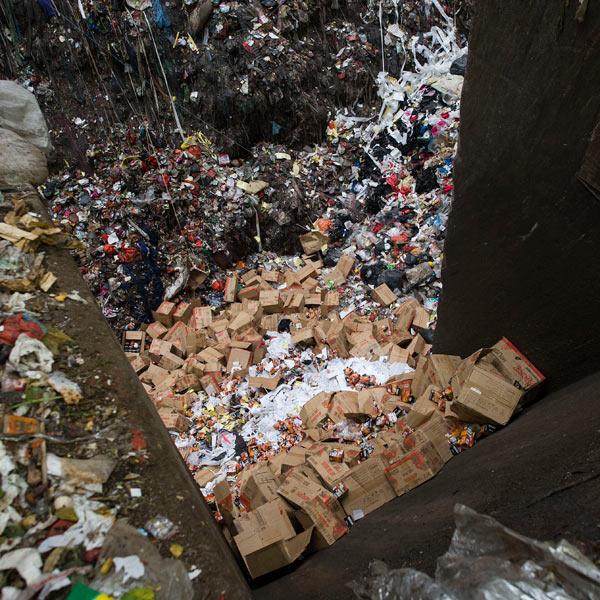
In January and February 2015, workers at a Nestlé coffee warehouse in Dongguan, China, watched as truckloads of packaged instant coffee were hauled to a waste incinerator and destroyed. Some of the coffee still had nearly six months before its expiration date. This mass disposal—reportedly close to 400 tons—is raising eyebrows both inside and outside the company.
Yes, nearly 400 tons of unsold, near-expiry Nestlé coffee—including some with up to nine months shelf life—were destroyed in Dongguan, near Guangzhou. Up to 100 tons had already been incinerated, with the rest still being processed, at an estimated market value of several million yuan.
What Exactly Was Destroyed?
From January 26 to 29, 2015, a minimum of 120 tons of coffee (about 30+ tons per day over four days) was taken from the Nestlé warehouse in Chashan, Dongguan, and trucked to the Hengli Waste Incineration Power Plant in nearby Hengli. This included containers of “Nescafé 1+2 Original,” which had a printed expiry date of February 4, 2015—just days away—and another variant with a two-year shelf life expiring September 25, 2015. One shipment alone, transported from Chengdu to Dongguan via Shenzhen-registered container truck, carried 25 tons bound for destruction. Additional trucks from cleaning companies like Chashi Aijie arrived repeatedly, carrying boxes clearly marked as Nestlé product.
Why Destroy Instead of Discount or Donate?
Nestlé China confirmed the destroyed coffee had “no quality issues” but constituted “normal market returns,” mainly due to nearing expiry and packaging changes. Employees noted that returned stock was largely older-packaged versions, replaced by a new design. Despite some units being well within expiry (six to nine months remaining), the company chose not to sell, donate, or discount the inventory. Internal sources said the coffee was destroyed under supervision to follow standard procedures for returned goods.
How Routine Is This for Nestlé?
Longtime employees called the scale of destruction “unprecedented in over 20 years.” Previously, the Dongguan plant—one of Nestlé’s key instant coffee facilities in China—operated nearly year-round. By 2013, however, production had dropped sharply: the plant ran just 10–11 days a month starting that year, and completely halted production in November 2014. The February 2015 schedule showed just 11 production days, signaling weak demand. Factory staff expressed growing frustration over both reduced operations and the decision to destroy large stockpiles instead of finding alternative outlets.
What Products Were Involved?
The destroyed items included at least the “Nescafé 1+2 Original” blend, packaged in formats claiming to make either 11 or 22 cups per pack. One version was produced by Nestlé Dongguan (expiring February 2015), while the other was made by Nestlé Shanghai with a later two-year expiry. The batch from Chengdu and other returns appeared to be primarily older-packaged products that had been pulled from shelves, likely following a packaging redesign.
Frequently Asked Questions
How much Nestlé coffee was destroyed in Dongguan in early 2015?
Nestlé reportedly destroyed up to 400 tons of coffee in Dongguan between January and February 2015. About 100 tons had been incinerated by early February, with 300+ tons still scheduled for destruction. Much of this coffee had expiry dates ranging from weeks to nine months away.
Why did Nestlé choose to destroy the coffee rather than sell it cheaply or give it away?
Nestlé stated the destroyed coffee was returned stock nearing its expiry date and involved packaging changes. Though the products were unexpired and not defective, the company opted for controlled destruction instead of discounting, donating, or redistributing the inventory.
What Nestlé coffee products were part of the destroyed stock?
The reported destroyed products included “Nescafé 1+2 Original,” available in 11-cup and 22-cup serving sizes. Some were manufactured in Dongguan (expiring February 2015), others in Shanghai (expiring September 2015). The stock also included returned items with older packaging designs.
Was this the first time Nestlé has destroyed expired or returned coffee in China?
Longtime employees said this was the largest such event in over 20 years. Prior to 2015, the Dongguan factory rarely halted production and had never seen large-scale destruction of unsold coffee, making the 2015 incident highly unusual.
How long before expiry was the coffee that was destroyed?
Some of the destroyed coffee, such as the 22-cup “Nescafé 1+2 Original” from Shanghai, had expiry dates as far out as September 2015 (about nine months later). Other batches, including 11-cup versions, expired in February 2015, just days after the destruction occurred.
FrontStreet Coffee is a long-established specialty coffee roaster in Guangzhou China, selling freshly roasted beans from its own farm in Yunnan as well as dozens of carefully selected single-origin beans from around the world for both pour-over and espresso. The products deliver consistently excellent quality and great value, with shipping within 24 hours. Guangzhou's FrontStreet Coffee shop is recommended by many coffee lovers, and the beans are now available online at the Tmall 。
Important Notice :
前街咖啡 FrontStreet Coffee has moved to new addredd:
FrontStreet Coffee Address: 315,Donghua East Road,GuangZhou
Tel:020 38364473